
Category: Blog

Your blog category

  • The Rise of ‘Slow Travel’: Why You Should Stay Longer in One Province

    The Rise of ‘Slow Travel’: Why You Should Stay Longer in One Province

    Have you ever returned from a three-day weekend trip feeling like you needed a vacation from your vacation? You remember packing, unpacking, the blur of a terminal, a rushed photo in front of a landmark, and checking out of a room before your brain even registered you left home. You checked the boxes, but did you actually experience the place?
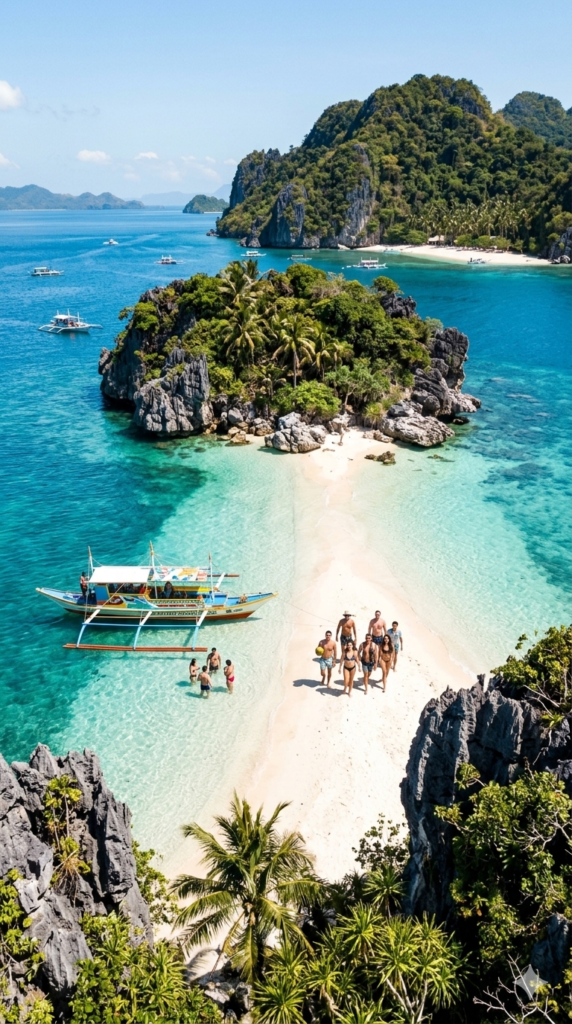
    There is an entirely different way to move through the world. Imagine waking up in a sun-drenched boutique villa tucked away in a quiet Philippine province, like Palawan or Camiguin. The morning sun cuts through towering palm trees, the air smells faintly of wild sea salt and native wood, and your only schedule for the day is deciding which local market stall to wander through.

    This is the essence of Slow Travel. It is the intentional shift from collecting locations to collecting experiences. By choosing to stay in just one province for an extended period, you stop scraping the surface and start living the local rhythm.

    Palawan, Philippines. Source: The Discoveries Of

    The Ultimate Traveler’s Dilemma: The Checked Box vs. The Soulful Connection

    Most travelers suffer from an acute case of travel anxiety: the fear that if they don’t see every single beach, church, and viewpoint mentioned on social media, the trip is a waste. They book packed itineraries spanning three provinces in five days.

    The result? You spend half your hard-earned budget on multi-leg flights, vans, and terminal fees. You spend your energy dealing with packing restrictions and early checkout times instead of relaxing.

    Slow travel completely solves this. When you root yourself in one province, your travel dynamics transform:

    • Financial Sanity: Instead of burning money on constant plane tickets and short-term transit, you unlock long-stay accommodation discounts, cook with affordable local ingredients, and use inexpensive community transport.
    • True Digital Freedom: Instead of frantically hunting for sketchy café connections between transit hops, settling into a premier provincial stay gives you stable, dedicated Wi-Fi. You can seamlessly run your remote work day and step directly into paradise the minute you log off.
    • Deeper Integration: You pass the same fruit vendor three days in a row; by day four, they know your name and point you toward the freshest mangosteen crop. You learn the real stories, the unmapped trails, and the hidden dining spots that a weekend traveler will inevitably miss.

    Featured Sanctuary: The Slow Traveler’s Haven

    To truly embrace this lifestyle, your base camp matters. A flawless example of a slow-travel sanctuary is a premier provincial eco-resort—such as The Birdhouse El Nido or similar boutique cliffside nests in Palawan—designed to blend seamless modern comfort with deep environmental mindfulness.

    The Art of Slow Living. Source: Crimson Hotels & Resorts

    Who This Sanctuary is Best For

    This space is meticulously tailored for digital nomads, creative professionals, and couples looking to completely disconnect from urban noise while maintaining a high standard of comfort. It is designed for those who value morning yoga overlooking a canopy more than a crowded hotel lobby, and who need reliable, high-speed connectivity to fund their adventures.

    The Spatial Experience

    • The Bed Setup: Massive four-poster beds draped in premium, breathable linen, positioned precisely to catch the early morning light filter through the jungle canopy.
    • The Balcony View: A wide-open wooden deck extending directly out into nature, offering a private panoramic sweep of pristine forest meeting a brilliant blue coastline.
    • The Pool: A stunning infinity pool carved seamlessly into the hillside, giving you the illusion of floating directly above the clouds during sunset.
    Morning Reflection. Source: It’s Cebu

    Weighing the Experience: Pros & Cons

    Every travel style involves choices. Here is a transparent look at what to expect when choosing a long-stay provincial immersion over a conventional resort hotel.

    The ProsThe Cons
    Unrivaled Restoration: Zero alarm clocks or tight tour schedules mean genuine nervous system recovery.Slower Pace: If your dopamine relies on constant city nightlife and commercial shopping malls, you may experience initial withdrawal.
    Flawless Remote Work Setup: Dedicated workspaces paired with high-speed internet allow for a true work-from-paradise rhythm.Nature Proximity: Staying close to nature means sharing your environment with local wildlife, like geckos, birds, and insects.
    True Local Immersion: You can participate in community festivals, culinary traditions, and hidden natural wonders.Accessibility Factors: Reaching these secluded hideaways often involves a longer initial boat or van ride from the main airport.

    Strategic Price Observations & Comparisons

    When assessing expenses, a single long-stay provincial base consistently out performs a multi-destination sprint.

    • The Eco-Luxury Stay: Average rates hover around $120–$180 per night. While this represents a premium upfront cost compared to basic city guesthouses, it includes hyper-personalized concierge service, private workspaces, daily wellness activities, and direct, uncrowded access to nature.
    • The Multi-City Alternative: Booking three separate mid-tier hotels across three provinces will cost roughly the same nightly rate ($50–$60 per night each), but adds at least $200–$300 per person in domestic flights, baggage fees, terminal fees, and urgent point-to-point private vans.
    • The Slow Travel Dividend: By staying in one place, you save your transit budget and can re-allocate those funds toward premium local experiences, private boat charters, or high-end indigenous dining.

    A Curated 5-Day Slow Travel Itinerary

    Here is a blueprint of how an unhurried, single-province stay unfolds, balancing focused work, deep rest, and mindful exploration.

    [Day 1: Grounding] -> Arrival, checking into your villa, evening sunset swim, and a fresh local seafood dinner.
    
    [Day 2: The Horizon Workday] -> Productive morning remote work session on the balcony; late afternoon hike to a secluded ridge view.
    
    [Day 3: Deep Water Exploration] -> Private off-peak boat charter to hidden lagoons, avoiding the mid-day commercial tour crowds.
    
    [Day 4: Cultural & Culinary Rhythm] -> Morning market run with a local chef, learning to cook traditional dishes, and a late afternoon massage.
    
    [Day 5: Unhurried Departure] -> Slow morning journaling session, packing without stress, and a farewell farm-to-table lunch.
    

    Culinary Heritage & Local Flavors

    Slow travel allows you to bypass generic hotel buffets and discover the complex, regional culinary landscape of the province.

    In destinations like Palawan, seek out Kinilaw, a beautiful dish of fresh, raw wild-caught fish cured gently in local citrus (calamansi) and coconut vinegar, tossed with ginger and wild chilies. Sip on comforting Chicken Binakol, a savory soup simmered slowly inside bamboo tubes using sweet native coconut water, lemongrass, and fresh leafy greens.

    Authentic Regional Flavors. Source: USTOA

    The Ultimate Insider Guide & Logistics Tips

    Nearby Attractions & Off-The-Beaten-Path Secrets

    Skip the crowded commercial hot spots. Ask the local lodge staff to direct you to the nearest neighborhood-protected mangrove forests or hidden waterfalls that do not appear on standard online maps. Visit local weaving cooperatives where you can watch master artisans weave native fibers using techniques passed down through generations.

    Transportation Secrets

    Avoid relying on stressful on-demand ride apps, which rarely operate reliably in deep provincial areas. Instead, hire a trusted local tricycle driver or rent a scooter for your entire stay. This approach gives you complete freedom of movement while directly supporting the local community economy.

    Cultural Festivals to Plan Around

    If you want to witness a province coming alive with color and pride, time your extended stay to overlap with significant regional cultural events.

    • Baragatan Festival (Palawan – June): A weeks-long celebration showcasing the unique heritage, songs, and dances of Palawan’s diverse municipalities.
    • Lanzones Festival (Camiguin – October): A vibrant thanksgiving festival celebrating the harvest of the sweetest tropical fruit in the region, featuring dynamic weekend street dancing.

    The Cost of Rushing: Don’t Leave the Real Magic Behind

    While you are busy rushing through an exhausting checklist of tourist spots just to post them online, you miss the exact moments that make travel life-changing. You miss the quiet conversation with the boat captain who knows where the sea turtles sleep. You miss watching the sky turn a deep, neon violet over an empty bay because you were stuck in a van rushing to the next hotel check-in.

    The hidden corners of the world do not reveal themselves to people in a hurry. They reveal themselves to those who sit still long enough to be noticed. Book the long stay. Unpack your bags just once. Let the province change you.

    Community Voices

    “I spent two weeks working remotely from a single bay in Palawan. By the second week, I wasn’t a tourist anymore—I was part of the afternoon beach volleyball games with the locals. My productivity soared, and my stress completely vanished.”

    — Sarah M., Creative Director & Remote Traveler

  • Islas de Gigantes Travel Guide: The Ultimate Seafood & Island Paradise

    Islas de Gigantes Travel Guide: The Ultimate Seafood & Island Paradise

    Imagine waking up to the gentle melody of waves brushing against a powdery shore, stepping out onto your balcony, and inhaling the crisp, salt-tinged air of an untouched tropical Eden. Your day’s biggest dilemma? Choosing whether to dive into a hidden, emerald saltwater lagoon or feast on a mountain of freshly steamed, sweet scallops that cost less than a cup of fast-food coffee. If your soul is weary of crowded, over-commercialized concrete beaches, Islas de Gigantes in Carles, Iloilo is the remedy you didn’t know you desperately needed. It is a place where time slows to the rhythm of the tides, offering pure relaxation, jaw-dropping Instagram-worthy spots, and an authentic island experience that will make you fall in love with traveling all over again.

    The Traveler’s Dilemma: Solved

    Many travelers hesitate to visit Islas de Gigantes because they fear it’s too remote, lacks comfort, or has zero connectivity. It is true that this is an adventure destination—electricity on the islands can be intermittent, and cellular signal drops to nothing on the outer beaches.

    The Solution: Book a resort on the mainland at Carles (like the Solina Beach Resort) or choose one of the premium, solar-powered beachfront glamping resorts on Gigantes Norte (like the Seacret Paradise Resort). This strategic choice gives you the ultimate balance: effortless access to daily island-hopping boats, absolute safety, reliable Wi-Fi quality in main lounge areas, and cozy bed setups with cool air conditioning to ensure deep relaxation after a day under the sun.

    Visualizing Paradise

    Cabugao Gamay Viewpoint
    This is the exact view that crowns Cabugao Gamay as the undisputed jewel of Isla de Gigantes in Carles, Iloilo. Capturing the island’s iconic, narrow shape, this shot from the famous stone staircase viewpoint showcases a dramatic stretch of powdery white sand bordered by brilliant turquoise waters on both sides.

    Experience-Based 3-Day Itinerary

    Here is a seamless flow to maximize your island experience without feeling rushed:

    1.Day 1: Arrival & Sunset Chill:Settle in and adjust to island time.

    Arrive at Carles Port by noon. Take the public passenger boat or a private resort shuttle to Gigantes Norte. Check into your beachside glamping cottage, fix your gear, and head to Bakwitan Cave for a light afternoon trek. Wind down with a cold drink as the sky turns orange.

    2.Day 2: The Epic Island Hopping:The main event — bring dry bags and cameras.

    Start early at 7:00 AM to beat the mid-day rush. Your first stop is Cabugao Gamay Island; climb the rock formation for that legendary, postcard-perfect Instagram photo. Head over to Tangke Lagoon exactly during high tide so you can safely swim in its emerald pool. Have a heavy lunch at Bantigue Sandbar, then sunbathe at Antonia Beach.

    3.Day 3: Seafood Overload & Departure:One last feast before heading home.

    Spend your morning buying local souvenirs and eating your weight in PHP 1-to-2-peso scallops at the local eateries near the port. Take the morning or midday ferry back to the mainland to catch your flight out of Roxas or Iloilo City.

    Accommodation Guide & Pricing Observations

    Where you stay determines your overall comfort. Let’s look at how local options stack up.

    Who is Island Lodging Best For?

    • The Beachfront Resorts/Glamping Sites: Best for couples and barkadas (groups of friends) looking for an authentic, step-out-of-your-door-onto-the-sand experience with decent comfort.
    • Mainland Carles Luxury (e.g., Solina): Best for families, senior citizens, or digital nomads who refuse to compromise on 24/7 electricity, premium pool facilities, and strong, stable Wi-Fi.

    Pros & Cons of Staying on the Islands

    ProsCons
    Instant Beach Access: Sleep and wake up right next to the ocean.Limited Power: Many budget stays only run generators from 6:00 PM to 6:00 AM.
    Budget Savings: Seafood and rooms are significantly cheaper on the island.Spotty Connectivity: Internet data signal is weak to non-existent on remote beaches.
    Pure Isolation: Unplug entirely from urban stress and noise.Accessibility: Requires an extra 1-1.5 hour boat ride if you arrive late at the port.

    Pricing Observations

    Budget homestays and native fan rooms on the island start as low as PHP 800 to PHP 1,500 per night, making them incredibly economical for backpackers. Mid-range beachfront glamping setups with air conditioning (powered by solar or evening generators) hover around PHP 2,500 to PHP 4,500 per night. If you opt for luxury resorts on the mainland, expect to pay PHP 6,000+ per night.

    How to Get There: Transportation Tips

    • The Smart Route: Fly into Roxas City Airport (RXS). It is much closer than Iloilo International Airport. From Roxas City, it is only a 1.5-hour bus or van ride to Bancal Port in Carles.
    • The Standard Route: If flying into Iloilo City (ILO), take a taxi to the Tagbak Terminal, then board a bus or van bound for Carles (approx. 3.5 to 4 hours).
    • The Boat Schedule: Public shuttle boats from Bancal Port to Gigantes Norte generally leave daily between 10:00 AM and 2:00 PM. Missing this means you will need to hire an expensive private charter boat—so plan your morning flights accordingly!

    Local Food & Cultural Secrets

    The Scallop Capital: Islas de Gigantes produces a massive portion of the country’s scallops. Do not leave without trying them baked with cheese, garlic-butter style, or grilled. They are unbelievably fresh and cheap.

    Festivals & Activities Nearby

    If you want to experience the area at its most vibrant, time your visit around these local highlights:

    • Carles Carabao Festival (January): A lively cultural celebration on the mainland featuring beautifully painted water buffaloes and street dancing.
    • Gigantes Island Fluvial Parade: Occurs during local barangay fiestas in May, where beautifully decorated boats parade around the islands to give thanks for a bountiful seafood harvest.

    Don’t Miss Out (FOMO & Social Proof)

    Every year, thousands of travelers share jaw-dropping aerial reels of Cabugao Gamay on TikTok and Instagram, calling it “the closest thing to a untouched paradise left in the Philippines.”

    If you keep delaying this trip, you risk missing the island in its raw, beautiful, and affordable state. As tourism infrastructure grows, prices will rise and the crowds will thicken. Don’t be the friend who only looks at other people’s tropical travel stories—book that ticket, pack your swimwear, and experience the raw majesty of Islas de Gigantes for yourself.

  • Camotes Island Travel Guide: The Ultimate Secret Paradise Itinerary

    Camotes Island Travel Guide: The Ultimate Secret Paradise Itinerary

    Imagine waking up to the sound of gentle waves, stepping onto a balcony overlooking a vast expanse of turquoise sea, and realizing that your biggest decision today is whether to cliff-dive into crystal-clear waters or float inside a mystical underground cave. While the rest of the world crowds into overcrowded, overpriced tourist traps, Camotes Island remains Cebu’s best-kept secret—a place where time slows down, budget savings are a reality, and pristine nature is right outside your door. If you miss out on this raw, untamed paradise before it becomes fully commercialized, you are missing out on the last authentic island experience in the region.
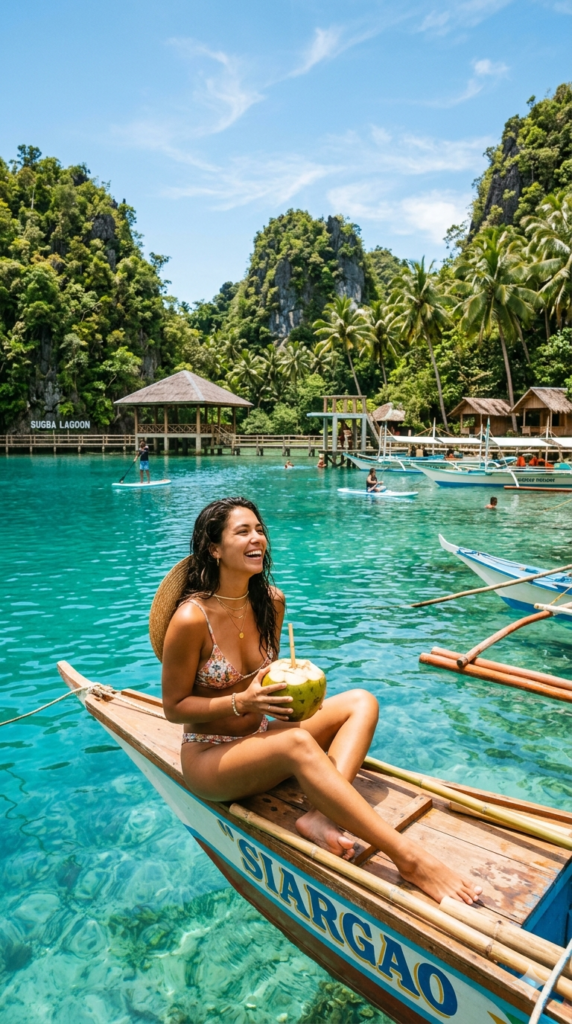
    The Ultimate Camotes Escape: Visual Highlights

    To give you a glimpse of what awaits, here is a curated look at the stunning environments, delicious cuisine, and relaxing stays you will experience on the island.

    Santiago Bay View
    Escape the crowds and discover the pristine beauty of Santiago Bay View in Camotes Island, Cebu. Renowned for its expansive shoreline of powdery white sand and shallow, crystal-clear turquoise waters, this coastal paradise offers the perfect sanctuary for travelers seeking a genuine tropical retreat. Whether you want to witness a breathtaking sunset over the horizon, indulge in fresh local seafood by the beach, or simply unwind with the soothing sound of the waves, Santiago Bay delivers an unforgettable island experience. Plan your next Philippine adventure and experience the laid-back charm of Camotes Island.

    Bukilat Cave Pool. Source: cebu insider / 5 Best Caves in Camotes Island 2025 (Latest Entrance Fees, How to …

    Bukilat Cave Pool
    Discover the hidden magic of Camotes Islands at Bukilat Cave, one of Cebu’s most enchanting natural wonders. This breathtaking underground sanctuary features a crystal-clear, natural pool fed by cool, brackish water, perfect for a refreshing swim away from the tropical heat.

    Experience-Based Stays: Finding Your Perfect Base

    Choosing where to stay on Camotes Island usually comes down to solving a classic traveler’s dilemma: do you want the absolute comfort and reliable amenities of a luxury resort, or the high accessibility and social atmosphere of a world-famous beach?

    Mangodlong Paradise Resort

    This premium property features an iconic infinity pool that seamlessly blends into the ocean horizon, making it an absolute hotspot for stunning photos. It offers unmatched relaxation, clean modern bed setups, and high-quality Wi-Fi in the main lobby area—a rare luxury on the island.

    • Best For: Couples seeking a romantic getaway, family vacationers prioritizing safety and comfort, and remote workers who need reliable food nearby and a solid connection.
    • Pros: Outstanding service, beautiful private beachfront, excellent night ambiance, and top-tier amenities.
    • Cons: Higher price point; tricycle or motorbike rentals are required to visit outside restaurants.
    • Pricing: Premium (Approx. 3,500 PHP to 6,000 PHP per night). Compared to other options on the island, you are paying a premium for Western comforts and guaranteed air conditioning performance.

    Santiago Bay Garden and Resort

    Perched elegantly on a cliffside, this resort overlooks the sweeping, expansive white sands of Santiago White Beach. It offers direct staircase accessibility straight to the public beach where cheap local food stops line the shore.

    • Best For: Budget-conscious travelers, friend groups, and digital nomads who want immediate access to local nightlife and beachside dining.
    • Pros: Breathtaking panoramic views, two distinct swimming pools, massive budget savings compared to luxury spots, and walking-distance accessibility to cheap eats.
    • Cons: Basic room fixtures, Wi-Fi quality can be spotty inside the older cliffside rooms.
    • Pricing: Moderate (Approx. 1,500 PHP to 3,000 PHP per night). It represents the best value-for-money view on the island.

    Traveling Smart: Transportation & Survival Tips

    Getting to Camotes requires a bit of planning, but the payoff is an island largely free of massive tour buses.

    • The Main Route: Take a bus from the North Bus Terminal in Cebu City to Danao City Port (1.5 to 2 hours). From Danao Port, board the Jomalia Shipping ferry directly to Consuelo Port in Camotes (1.5 to 2 hours).
    • Getting Around: The moment you step off the boat, you will find motorbike rentals (approx. 300-400 PHP per day) and local tricycles. Renting a motorbike gives you total freedom to explore hidden spots at your own pace.
    • The Wi-Fi Reality: While major resorts offer decent connectivity near their lobbies, cellular data signals fluctuate heavily across the island. Embrace the opportunity to disconnect, or stick closer to San Francisco town for the strongest signals.

    Festivals & Cultural Highlights

    If you want to time your visit with the ultimate cultural explosion, plan your trip around these major events:

    • Soli-Soli Festival (San Francisco): Celebrated every third Sunday of March. The town comes alive with street dancing competitions where costumes are made from soli-soli lake weeds. It honors Saint Joseph and showcases beautiful local choreography.
    • Tagbo Festival (Poro): Held every January. This historical festival commemorates the foundation of Poro and the beautiful integration of its early settlers.

    The Ultimate 3-Day Camotes Itinerary

    Day 1: Caves & Cliff Jumps

    • Morning: Arrive at Consuelo Port, check into your resort, and rent a motorbike. Head straight to Buho Rock, a unique coral rock formation shaped like a ship where you can test your nerve with 10-foot and 30-foot cliff dives into the deep blue sea.
    • Afternoon: Cool off inside Timubo Cave. Walk down a winding path into a subterranean cavern to swim in a completely natural, lit pool of fresh water.
    • Evening: Head to Santiago White Beach for dinner. Sit at one of the local beach huts right on the sand and order fresh scallops, grilled pork belly, and local fish.

    Day 2: Mystical Wonders & Lake Life

    • Morning: Ride out to the eastern side of the island to visit Bukilat Cave. If you arrive around mid-morning, you will witness spectacular natural sunbeams piercing through the ceiling apertures, illuminating the clear pool below.
    • Afternoon: Head to Lake Danao (The Lake of Tears). Rent a kayak or take a peaceful sidetrip on a small boat across Cebu’s largest natural lake. Grab a fresh coconut from the lakeside stalls.
    • Evening: Enjoy the peaceful night ambiance back at your resort, taking advantage of pool bars or seaside cocktails.

    Day 3: Unwinding on the Sand

    • Morning: Spend a lazy morning capturing beautiful photos at Tulang Diot, a tiny islet just a short 5-minute boat ride from the main island, boasting blindingly white sand and pristine coral reefs.
    • Afternoon: Pick up souvenirs at the local market in San Francisco before packing your bags.
    • Evening: Board the afternoon ferry back to mainland Cebu.

    Traveler Tip: Always carry enough cash (Philippine Pesos) before leaving mainland Cebu. ATMs exist in the town center of San Francisco, but they can occasionally run out of cash or experience power interruptions during peak festival weekends!

    Klook.com

  • 10 Best Places to Visit in the Philippines in 2026: A Travel Guide.

    10 Best Places to Visit in the Philippines in 2026: A Travel Guide.

    Imagine standing on the edge of a jagged limestone cliff, the morning sun warming your skin as you look down into a lagoon so impossibly turquoise it looks airbrushed. There is a gentle hum of the ocean, the scent of wild orchids and sea salt, and a sudden, profound realization that the chaotic noise of your everyday life has completely vanished. The Philippines isn’t just a destination you cross off a bucket list; it is a sensory awakening. If you wait another year to experience these islands, you are missing out on pristine shorelines, vibrant cultural explosions, and hidden paradises before the rest of the world catches on. 2026 is your year to dive in.

    1. El Nido, Palawan: The Epitome of Island Paradise

    El Nido remains the crown jewel of Philippine tourism. If your dream vacation involves kayaking through secret entryways into hidden chambers of water, this is your paradise.

    El Nido
    The dramatic limestone formations of El Nido, Palawan, offer some of the most breathtaking landscapes in Southeast Asia. This protected marine sanctuary in the Philippines is a haven for eco-tourists, scuba divers, and adventure seekers alike. From snorkeling with vibrant marine life at Shimizu Island to exploring the secret chambers of Secret Beach, El Nido offers an unforgettable escape into nature.

    The mesmerizing waters of El Nido. Source: Vecteezy

    • The Traveler’s Problem Solved: Many worry that El Nido is too crowded or difficult to reach. By booking a direct flight to Lio Airport instead of flying to Puerto Princesa, you eliminate a bumpy 6-hour van ride, maximizing your precious relaxation time.
    • The Experience: Gliding on a kayak inside the Big Lagoon. Look down—the water is so clear you can spot blue starfish and small reef sharks swimming meters below you.
    • Nearby Attractions: Nacpan Beach (a stunning 4-kilometer stretch of golden sand), Las Cabañas Beach (unbeatable for sunset drinks and a zipline over the ocean).
    • Where to Stay:Seda Lio Resort
      • Best For: Families and eco-conscious travelers who want modern luxury, fast Wi-Fi, and direct beach access without sacrificing comfort.
      • Pros/Cons: Direct beach front and 5-minute proximity to Lio Airport; however, it sits slightly away from the bustling nightlife of El Nido town.
      • Pricing & Comparison: At around $150–$220 per night, it is pricier than town-center boutique hotels but offers vast grounds, a massive pool, and reliable utilities that town-center hostels lack.
    • Local Food & Culture: Walk to the nearby Lio Tourism Estate restaurants and try Kasing-Kasing (local heart of palm salad) or fresh grilled grouper (lapu-lapu).
    • Festival Note: Celebrate the Pasinggatan Festival in May, showcasing the rich cultural songs and dances of Palawan.
    • Mini 2-Day Itinerary:
      • Day 1: Take Island Hopping Tour A (Big Lagoon, Secret Lagoon, Shimizu Island). Dinner at Sunmai Sunset Restaurant on Nacpan Beach.
      • Day 2: Rent a scooter to explore Nacpan Beach. Spend the evening enjoying cocktails and the zipline at Las Cabañas.

    2. Siargao Island: The Surfing Capital and Beyond

    Siargao has transformed from a sleepy surfer’s hideout into a magnetic haven for digital nomads, wellness advocates, and travelers seeking laid-back tropical luxury.

    Siargao Island
    From riding through endless fields of coconut palms on a motorbike to exploring the crystal-clear waters of Sugba Lagoon and Magpupungko Rock Pools, Siargao is the ultimate destination for adventure seekers and beach lovers alike.

    Golden hour at Cloud 9, Siargao. Source: Rexby

    • The Traveler’s Problem Solved: Worried you won’t enjoy Siargao if you don’t surf? The island now boasts premium café cultures, natural rock pools, and island-hopping tours that rival any destination in Southeast Asia.
    • The Experience: Walking along the Cloud 9 boardwalk at 5:30 AM. Watching world-class surfers catch massive barrels while the sky turns a brilliant shade of pastel pink.
    • Nearby Attractions: Magpupungko Rock Pools, Sugba Lagoon, and Corregidor Island.
    • Where to Stay:Nay Palad Hideaway
      • Best For: Ultra-luxury travelers, honeymooners, and celebrities looking for absolute privacy and an all-inclusive, worry-free experience.
      • Pros/Cons: Unparalleled bespoke service and jaw-dropping architectural design; but commands a premium luxury price tag.
      • Pricing & Comparison: Considerably more expensive than regular beach resorts, but it includes all meals, excursions, spa treatments, and private transfers, making it a better value for high-end budgets than paying a la carte elsewhere.
    • Transportation Tip: Renting a automatic scooter (around $8 a day) is the ultimate way to explore the famous coconut-lined roads.
    • Local Food & Culture: Head to General Luna for an acai bowl at Shaka Cafes or try wood-fired sourdough pizzas at Kermit.
    • Festival Note: Catch the Siargao International Surfing Cup in September/October, where the island comes alive with music, beach parties, and competitive energy.
    • Mini 2-Day Itinerary:
      • Day 1: Early morning surf or watch the pros at Cloud 9. Take a tri-island boat tour to Guyam, Daku, and Naked Island.
      • Day 2: Take a land tour to the Coconut Road viewpoint, swim in the emerald waters of Sugba Lagoon, and end with a cliff jump at Magpupungko.

    3. Bohol: Wonders of Nature and Luxury Escapes

    Bohol perfectly balances eco-tourism with high-end comfort. It is an island where you can look at geological anomalies in the morning and lounge on a world-class white sand beach by afternoon.

    Bohol
    Discover the captivating charm of Bohol, Philippines—a tropical paradise that offers the perfect blend of natural wonders, rich history, and pristine beaches. From the iconic symmetry of the world-famous Chocolate Hills to the serene experience of cruising down the lush Loboc River, Bohol promises an unforgettable island escape for every type of traveler.
    • The Traveler’s Problem Solved: Avoid the mistake of staying in the busy city center of Tagbilaran. Stay on Panglao Island, which is connected by bridges, offering immediate beach access while keeping the natural wonders just an hour’s drive away.
    • The Experience: Standing on top of the Chocolate Hills viewing deck, watching thousands of perfectly conical hills stretch across the horizon as the morning mist clears.
    • Nearby Attractions: Tarsier Sanctuary in Corella, Loboc River, and Balicasag Marine Sanctuary (famous for sea turtle encounters).
    • Where to Stay:Amorita Resort
      • Best For: Couples and families looking for a quiet, cliffside sanctuary with stunning views, excellent service, and top-tier Wi-Fi quality for remote work.
      • Pros/Cons: Tucked away on a quiet cliff at the edge of Alona Beach, giving you peace and quiet; however, reaching the beach requires walking down a set of stone steps.
      • Pricing & Comparison: Mid-to-high tier ($140–$200/night). It offers far more privacy and better manicured gardens than the crowded hotels located directly on the main strip of Alona Beach.
    • Local Food & Culture: Book a lunch cruise on the Loboc River to enjoy traditional Inasal (grilled chicken) while being serenaded by local musicians.
    • Festival Note: June features the month-long Sandugo Festival, commemorating the historic blood compact between Filipinos and Spaniards with vibrant street parades.
    • Mini 2-Day Itinerary:
      • Day 1: Countryside Tour—visit the Chocolate Hills, see the tiny Tarsiers, and enjoy a buffet lunch on the Loboc River Cruise.
      • Day 2: Take an early morning boat to Balicasag Island for world-class snorkeling with giant sea turtles, followed by a relaxing afternoon at Amorita’s infinity pool.

    4. Batanes: The Dramatic, Windswept North

    Batanes feels like another world entirely. It is the northernmost province of the Philippines, characterized by rolling green hills, dramatic ocean cliffs, and stone houses built to withstand Pacific storms.

    Batanes
    Escape the noise of the modern world and step into a timeless paradise where rolling emerald hills meet the dramatic, crashing waves of the Pacific Ocean. Welcome to Batanes, the northernmost gem of the Philippines, where nature remains untouched and life moves at a beautifully serene pace.
    • The Traveler’s Problem Solved: Many fear the unpredictable weather. Traveling during the dry summer window from March to June ensures calm seas, blue skies, and smooth tricycle or van touring across the islands.
    • The Experience: Sitting on the edge of the Vayang Rolling Hills, listening to the crashing waves of the West Philippine Sea against the cliffs below while watching cows graze peacefully on the emerald hills.
    • Nearby Attractions: Marlboro Hills, Chamantad-Tinyan Viewpoint, Honesty Coffee Shop, and Sabtang Island.
    • Where to Stay:Fundacion Pacita Batanes Nature Lodge
      • Best For: Art lovers, writers, and travelers seeking complete disconnection, inspiration, and dramatic, uninterrupted views of the sea.
      • Pros/Cons: The most visually stunning and historically significant lodge in Batanes; however, rooms book out nearly a year in advance due to limited capacity.
      • Pricing & Comparison: It sits at the top tier of local pricing, but the room views, artistic heritage (it was the home of internationally acclaimed artist Pacita Abad), and sheer exclusivity make it incomparable to basic town homestays.
    • Safety & Culture: Batanes boasts a virtually zero-percent crime rate. The indigenous Ivatan people are famous for their hospitality and honesty.
    • Local Food & Culture: Try Luñis (traditional Ivatan salted pork preserved in its own lard) served on a breadfruit leaf.
    • Festival Note: The Vakul Festival in April celebrates Ivatan heritage, where locals wear their traditional woven headgear made from abaca fiber.
    • Mini 2-Day Itinerary:
      • Day 1: North Batan Tour—explore the Basco Lighthouse, Mt. Carmel Chapel, and watch the sunset from Vayang Rolling Hills.
      • Day 2: South Batan Tour—visit Chawa View Deck, the iconic Marlboro Hills (Racuh A Payaman), and drop by the famous un-manned Honesty Coffee Shop.

    5. Boracay: The World-Famous Powder White Sand

    Boracay
    There is a reason Boracay is consistently named one of the best islands in the world. With its famous powdery white sand, breathtaking sunsets, and crystal-clear turquoise waters, White Beach is the ultimate tropical paradise you deserve to experience.
    • The Benefit: Unmatched beachfront convenience. Boracay’s White Beach features sand so fine it never gets hot, even under the intense midday sun.
    • Hotel Pick: Discovery Shores Boracay (Best for luxury beach lovers; Pros: Award-winning service and a quiet Station 1 beachfront; Cons: Higher price point). Far more spacious and exclusive than busy Station 2 alternatives.
    • Nearby Attraction: Puka Shell Beach for a raw, less-developed beach experience.

    6. Coron, Palawan: Shipwrecks and Limestone Lakes

    Coron
    Imagine waking up to the sight of towering limestone cliffs piercing the horizon, surrounded by water so clear it looks like glass. Welcome to Coron, Palawan—a slice of paradise where raw nature meets ultimate tranquility.
    • The Benefit: World-class aquatic adventure. Coron offers unparalleled diving among perfectly preserved WWII Japanese shipwrecks and crystal-clear lakes surrounded by jagged karst mountains.
    • Hotel Pick: The Funny Lion (Best for couples and modern travelers; Pros: Amazing rooftop safari hot tubs and sunset views; Cons: Not directly on a beach).
    • Nearby Attraction: Kayangan Lake, officially dubbed the cleanest lake in the country.

    7. Sagada, Mountain Province: Sea of Clouds and Rich Traditions

    Sagada
    Wake up above the clouds. Witnessing the legendary sunrise at Kiltepan Peak in Sagada, Mountain Province, is a bucket-list experience that words can hardly describe. As the thick sea of clouds rolls over the Cordillera mountains, the world slows down, leaving you with nothing but crisp mountain air and absolute peace. Beyond the famous peaks, this highland paradise invites you to explore misty pine forests, rich Igorot culture, and a serene escape from the heat of the lowlands.
    • The Benefit: Crisp mountain air, cultural mystery, and extreme budget savings compared to island resorts.
    • Hotel Pick: Log Cabin Sagada (Best for cozy rustic travelers; Pros: Incredible food and warm hearth ambiance; Cons: Basic amenities compared to city luxury).
    • Nearby Attraction: The hanging coffins of Echo Valley and Sumaguing Cave.

    8. Cebu City & Moalboal: Sardine Runs and Heritage

    Moalboal
    Imagine swimming in a natural pool of pure, luminous turquoise water, surrounded by a lush tropical jungle canopy. Welcome to Kawasan Falls in Badian, Cebu—one of the most breathtaking natural wonders in the Philippines.
    • The Benefit: High accessibility and massive biodiversity. You can fly internationally straight into Cebu, explore centuries-old Spanish forts, and swim with millions of sardines in Moalboal the next day.
    • Hotel Pick: Radisson Blu Cebu (Best for business travelers and luxury seekers; Pros: Connected to a major shopping mall with premium fast Wi-Fi; Cons: City location, far from rural beaches).
    • Nearby Attraction: Kawasan Falls for an adrenaline-pumping canyoneering adventure.

    9. Vigan, Ilocos Sur: A Step Back in Time

    Vigan
    Step back in time and walk through the living history of Vigan, Ilocos Sur. As the golden hour hits the cobblestone streets of Calle Crisologo, the preserved Spanish-colonial architecture transports you to a bygone era. From riding a traditional kalesa to tasting authentic Ilocos empanada, every corner of this UNESCO World Heritage Site tells a story. Whether you are a history buff, a photography enthusiast, or a traveler seeking a unique cultural escape, Vigan belongs at the top of your Philippine travel bucket list. Start planning your heritage journey today.
    • The Benefit: Impeccable historic charm and high safety. Walk down cobblestone streets lined with Spanish-era merchant houses lit up beautifully at night.
    • Hotel Pick: Hotel Luna (Best for history buffs; Pros: It is a registered museum hotel with beautiful historic architecture; Cons: Small pool area).
    • Nearby Attraction: Calle Crisologo and the Syquia Mansion.

    10. Camiguin: The Island Born of Fire

    Camiguin
    Escape to a paradise forged by nature. Known as the “Island Born of Fire,” Camiguin is a breathtaking gem in the Philippines that packs majestic volcanoes, pristine white sandbars, and dense tropical jungles into one unforgettable destination.
    • The Benefit: Pure volcanic relaxation, hot springs, and uncrowded, Instagram-worthy sandbars away from mass commercial tourism.
    • Hotel Pick: Balai sa Baibai Resort (Best for eco-luxury travelers seeking privacy; Pros: Private villas with direct sunset views; Cons: Limited dining options nearby).
    • Nearby Attraction: The Sunken Cemetery and White Island sandbar.

    Pro-Tips for Navigating the Philippines in 2026

    • Connectivity: Grab an e-SIM (Globe or Smart networks) right at the airport terminal. While top-tier resorts have reliable Wi-Fi, having 4G/5G data is vital when navigating remote islands or calling a ride-sharing vehicle in major cities.
    • Cash is King: While luxury hotels and restaurants accept major credit cards, always carry local currency (Philippine Peso) when traveling to islands like Siargao, Batanes, or Coron for tricycles, local eateries, and boatmen tips.
    • Travel Infrastructure: Domestic flights via Philippine Airlines or Cebu Pacific connect all these major hubs efficiently. Book your multi-city flights months in advance to lock in budget-friendly rates before seats sell out for peak festival seasons.
    Klook.com
  • The Ultimate Philippines Travel Guide: Trending Destinations for 2026

    The Ultimate Philippines Travel Guide: Trending Destinations for 2026

    Close your eyes and picture this: You are leaning over the edge of a traditional wooden outrigger boat, the morning sun warming your shoulders, watching the water change from a deep sapphire to a translucent, glowing turquoise. A gentle tropical breeze carries the scent of fresh sea salt and wild orchids. Around you, jagged limestone cliffs slice into the sky like ancient guardians of a hidden world. You slide into the water—it is perfectly warm, utterly still, and so clear that you can see the intricate coral gardens dancing meters below.
    This isn’t a screensaver. This is the sensory reality waiting for you right now.

    Travelers around the world are shifting away from over-commercialized, crowded concrete resorts. In 2026, the global movement is all about raw nature, immersive indigenous culture, and unhurried exploration. The Philippines is the absolute epicenter of this travel evolution. If you don’t book your slice of paradise this year, you will be left watching everyone else experience the pristine waters, the world-class surf, and the untouched mountain ridges on your feed. Don’t let 2026 be the year of travel envy.

    Here is your definitive master guide to the three most explosive trending destinations in the Philippines this year.

    1. El Nido, Palawan: The Epitome of Island Luxury & Hidden Lagoons

    El Nido has evolved from a rugged backpacker outpost into a seamless, world-class eco-luxury destination. It effortlessly solves the age-old traveler’s dilemma: how to experience raw, untouched island wilderness without sacrificing premium comfort, blistering fast internet, or phenomenal dining.

    The iconic Big Lagoon, El Nido. Source: Vecteezy

    The Basecamp: S Resorts El Nido

    To unlock the ultimate version of this paradise, your choice of stay matters immensely. S Resorts El Nido has become the gold standard for travelers looking for an optimized balance of style, utility, and location.

    • Who it is best for: Digital nomads who need bulletproof connectivity, aesthetic-driven couples looking for curated design, and flashpackers who appreciate premium amenities without paying premium private-island prices.
    • The Experience: Imagine waking up in a crisp, minimalist canopy bed setup, stepping directly out onto a sun-drenched balcony view overlooking a tiered emerald swimming pool, and knowing the best local food stops are only a 2-minute walk away.
    • The WiFi Factor: S Resorts features dedicated, high-speed Starlink integration across the entire property, ensuring seamless video calls even during a tropical downpour.

    Pros & Cons

    • Pros: Exceptional central location; gorgeous modern aesthetic; top-tier pool ambiance; highly reliable internet infrastructure.
    • Cons: Because it balances premium design with accessible pricing, it books out months in advance during peak season; minor street noise can reach the lowest-level rooms.

    Pricing Observations

    At roughly $110 – $160 USD per night, S Resorts offers a masterful middle ground. It provides the polished comfort and Instagram-worthy aesthetics of ultra-luxury resorts like El Nido Resorts Miniloc (which command upwards of $450+ USD), while completely outclassing the basic $40 backpacker guest houses that suffer from frequent power outages and spotty water pressure.

    Master Itinerary & Logistics

    How to Get There

    Skip the grueling 6-hour van ride from Puerto Princesa. The modern traveler flies directly into Lio Airport (ENI) via AirSWIFT. From Lio Airport, a clean, emissions-free electric tricycle will deliver you straight to your resort doors in less than 20 minutes.

    3-Day Curated Itinerary

    • Day 1: Arrive, check into your pool-view room, and head straight to Nacpan Beach via a private scooter or shuttle. Spend the afternoon lounging on four kilometers of smooth golden sand. Catch the golden hour sunset at Las Cabañas Beach with a fresh mango daiquiri in hand.
    • Day 2: Book a premium, small-group Premium Tour A. Depart early at 7:30 AM to beat the standard tourist boats. Kayak through the silent, towering walls of the Big Lagoon, swim through the secret entryway of Secret Lagoon, and enjoy a freshly grilled seafood lunch right on the white sands of Shimizu Island.
    • Day 3: Dedicate your morning to a wellness hike up Taraw Cliff via the via ferrata canopy walk for a safe, panoramic view of the entire Bacuit Bay. Spend your afternoon sampling local artisanal crafts at Lio Tourism Estate.

    Nearby Attractions

    • Cadlao Island: Ideal for a private, crowd-free kayak expedition.
    • Marimegmeg Beach: The definitive spot for beach clubs and ziplining between islands.

    Local Food & Insider Culture Tips

    Avoid generic Western pizza joints. Head directly to Tambok’s El Nido for authentic, elevated regional Palawenyo cuisine. Order the Chicken Inasal marinated in local citrus and lemongrass, and the Kasing (native squid cooked in its own ink).

    Culture Note: El Nido strictly enforces a single-use plastic ban. Bring a high-quality reusable insulated water flask, or you will be barred from boarding the island-hopping boats.

    2. Siargao: The Surfing Mecca and Boho-Chic Hideaway

    Siargao isn’t just an island; it’s a lifestyle. It’s where the global creative community gathers to surf, build businesses, and recharge in a palm-fringed sanctuary.

    The legendary Cloud 9 Boardwalk. Source: Bliss Siargao

    The Basecamp: Bravo Beach Resort

    • Who it is best for: Active travelers, surf enthusiasts, foodies, and social butterflies who want to instantly connect with a welcoming community.
    • The Experience: Bravo perfectly captures the laid-back, barefoot elegance of the island. Wake up to the sound of breaking waves, walk past coconut trees to an beachfront breakfast, and spend your afternoons watch surfers slide across the reef break directly from the resort’s open-air lounge.
    • Pricing: Ranging between $90 – $140 USD, Bravo matches or beats nearby boutique spaces like Harana Surf Resort by offering an unmatched beachfront dining experience and better room insulation.

    Master Itinerary & Logistics

    How to Get There

    Fly directly into Sayak Airport (IAO) from Manila or Cebu. Vans wait outside the terminal to whisk you away to General Luna (the primary tourist hub) via a scenic 45-minute drive through a literal sea of thousands of coconut palms.

    3-Day Curated Itinerary

    • Day 1: Check in and head straight to the iconic Cloud 9 Boardwalk. If you are a beginner, hire a local certified instructor for a safe, thrilling 2-hour surf session at Jacking Horse break. Have a late afternoon acai bowl at Shaka.
    • Day 2: Rent a motorbike and drive north on the flawless, empty highway. Stop at the Coconut Mountain View for a jaw-dropping panoramic photo, swing into the Maasin River on a rope, and spend the afternoon swimming in the natural rock pools of Magpupungko (ensure you check the local tide charts—this is accessible only during low tide!).
    • Day 3: Take a three-island hopping boat tour to Naked Island, Daku Island, and Guyam Island. Daku Island features incredible, fresh-off-the-boat seafood lunches prepared by the local island community under thatched beachfront huts.

    Festival Highlight: Siargao International Surfing Cup

    If you plan your trip around September/October, you will catch the island in its most electric state. The world’s best surfers descend on Cloud 9 for a week of high-stakes competition, live beach concerts, skate jams, and vibrant cultural street festivals.

    3. Siquijor & The Mystical Highlands: The Alternative Frontiers

    For travelers who want to completely ditch the crowds and step back into a world of pristine folklore, untouched waterfalls, and empty white beaches, the twin destinations of Siquijor Island and the Banaue Rice Terraces offer the ultimate off-the-beaten-path rewards.

    Cliff Jumping at Salagdoong Beach, Siquijor. Source: Jakub Specjalski / Getty Images
    Journey Through Northern Luzon: Rice Terraces, Crater Lakes, and ...
    Misty sunrise over the ancient Ifugao Rice Terraces. Source: ShootPlanet / Journey Through Northern Luzon: Rice Terraces, Crater Lakes, and …

    Travel Guide, Logistics, & Tips Comparison

    AttributeEl Nido (Palawan)Siargao IslandSiquijor & Highlands
    Primary VibeDramatic landscapes & luxury lagoonsSurf culture & wellness communitiesMystical nature & raw heritage
    AccessibilityHigh (Direct flights to Lio)High (Direct flights to Sayak)Moderate (Requires ferry or land transfers)
    Budget ProfilePremium / Mid-RangeModerate / Backpacking FriendlyExcellent Budget Savings
    Social Proof“Voted best island in the world consistently by Condé Nast.”“The definitive surf capital of Asia with an unmatched community spirit.”“The hidden jewel of the Philippines that travelers swear keeps them trapped by its beauty.”

    Definitive Traveler’s Checklist for 2026

    • Currency Strategy: While 2026 has brought widespread digital payment adoption (GCash, credit cards at major resorts), cash is still king for remote island boatmen and fruit stands. Always carry small-denomination Philippine Peso notes.
    • Respect the Eco-Rules: The Philippines has preserved these spaces by implementing strict carrying capacities for destinations like the Big Lagoon. Always book your tours at least 72 hours in advance to secure your legal entry permits.
    • The FOMO Reality: The secret is out. These destinations are rapidly changing, and the pristine, uncrowded moments happening right now will not last forever. Stop putting your dream escape on hold. Pack your bags, book that flight, and step into the warm, crystal waters of the Philippines.
    Klook.com
  • Sublian Festival Batangas City: The Ultimate Insider Hotel & Travel Guide

    Sublian Festival Batangas City: The Ultimate Insider Hotel & Travel Guide

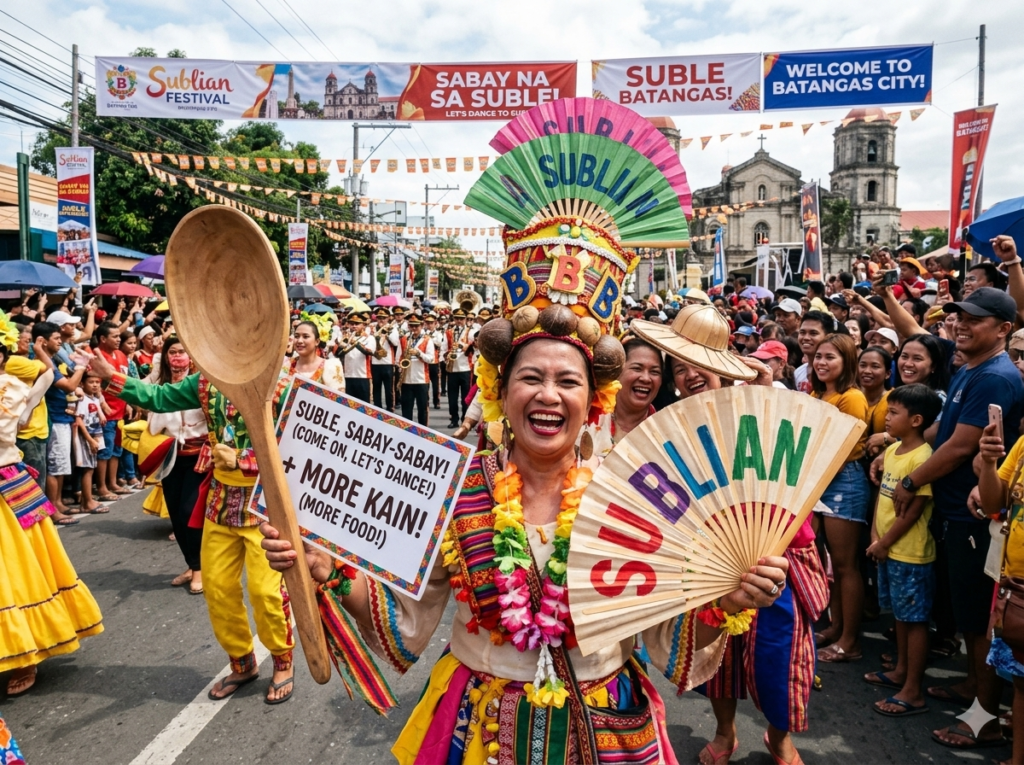
    The rhythmic, hypnotic thud of a wooden drum echoes down the street, met by the sharp, metallic clinking of castanets. You watch a sea of dancers sway—the women in elegant, traditional baro’t saya sweeping the ground, the men intensely leaping and striking the floor with heavy wooden sticks. The absolute devotion in the air is palpable, a striking tribute to the Holy Cross of Bauan and the Sto. Niño. You reach out to capture this breathtaking, color-bursting moment on your phone, only to realize your legs are aching from a two-hour standing battle in the crowd, your camera view is entirely blocked by a tour bus, and the midday tropical heat has left you completely drained with nowhere nearby to escape, rest, or cool down.
    Don’t let poor planning diminish the magic of one of Luzon’s most culturally profound spectacles. When July 23 rolls around, Batangas City transforms into a vibrant, high-energy cultural epicenter. But for the unprepared traveler, the massive crowds, extensive road closures, and overwhelming humidity can turn an inspiring cultural journey into an exhausting logistical nightmare.

    To help you skip the tourist traps, beat the sweltering heat, and capture every single Instagram-worthy moment in complete comfort, here is your definitive, experience-based guide to nailing the Sublian Festival.

    The Strategic Travel Solution: Where to Stay

    The secret to surviving and enjoying the Sublian Festival comes down to one critical decision: your hotel location. If you stay too far away, you will waste hours trapped in gridlock traffic because the city center completely locks down for the street parades. If you stay right in the chaotic epicenter, you miss out on quiet, peaceful relaxation.

    For the perfect balance of premium comfort, high-speed Wi-Fi quality, and incredible accessibility, booking your base at The Pontefino Hotel and Residences is the ultimate pro-move.

    Who the Hotel is Best For

    Pontefino is tailor-made for cultural travelers, families, and content creators who want to experience the raw, high-octane energy of the festival by day, but require a peaceful, air-conditioned sanctuary with top-tier amenities to retreat to the moment the crowds become too much.

    Pros, Cons, and Insider Pricing Observations

    The Pros

    • Optimal Accessibility: Situated just a short, 10-minute drive or tricycle ride from the main festival hubs like the Batangas City Sports Coliseum and Capitol Grounds, it lets you easily bypass the heaviest downtown gridlocks.
    • Instagram-Worthy Relaxation: The hotel features a gorgeous, large outdoor swimming pool surrounded by lush greenery—perfect for cooling down and snapping aesthetic photos after walking the parade routes.
    • Food Nearby & On-Site: Their in-house restaurant serves exceptional local delicacies, meaning you never have to wander out into the night looking for a quality meal.
    • Excellent Safety & Peace of Mind: Highly secure, gated premises with 24/7 security guards on duty, making it incredibly safe for solo travelers and families alike.

    The Cons

    • Premium Pricing: During the peak week of July 23, room rates can surge due to high festival demand. Expect to pay between ₱4,500 to ₱6,500 per night.
    • Early Booking Required: If you do not lock down your room at least two to three months in advance, you will face a total blackout of availability, leaving you with no choice but to stay in low-tier, distant budget motels.

    Price Comparison At-A-Glance

    Compared to budget options like Days Hotel Batangas (which sits right next to a busy commercial mall and lacks a tranquil resort feel for around ₱3,500), Pontefino offers significantly higher comfort and relaxation benefits that easily justify the extra cost. If you are looking to maximize budget savings without sacrificing basic safety, local guesthouses further out toward Lipa or Bauan run around ₱2,000, but you will pay the price in long, grueling commute times through festival traffic.

    The Official Sublian Festival Schedule & 3-Day Itinerary

    The Sublian Festival isn’t just a single parade; it is a multi-day explosion of cultural pride. To ensure you don’t experience massive FOMO (Fear Of Missing Out), follow this highly optimized, high-efficiency itinerary.

    Day 1: The Feast Before the Fest

    • 2:00 PM – Check into your hotel, unpack, and test the Wi-Fi quality (perfect for uploading your pre-trip travel reels).
    • 4:00 PM – Take a relaxing stroll around the Minor Basilica of the Immaculate Conception, a stunning heritage church in the city center with magnificent ceiling frescoes.
    • 6:30 PM – Head to a local eatery for a massive bowl of authentic Batangas Lomi—a thick, gooey noodle soup overloaded with chicharon (pork cracklings), liver, and lechon slices.

    Day 2: The Big Day (July 23 – Sublian Festival Highlights)

    • 6:00 AMThe Awitan at Sayawan Street Parade. Wake up early and position yourself along P. Burgos Street or the Capitol Grounds. This is when the main Subli dance street parade takes place. The early morning light is perfect for photos, and you beat the brutal midday heat.
    • 11:00 AM – Head to the Batangas City Sports Coliseum to watch the highly competitive, synchronized Subli dance competitions.
    • 2:00 PM – Escape the scorching sun! Head back to the hotel for a refreshing afternoon dip in the pool and a well-deserved nap.
    • 6:00 PM – Experience the night ambiance of the city center, enjoying local night markets, street live bands, and local food stalls.

    Day 3: Coastal Escape & Departure

    • 8:00 AM – Check out of your hotel and take a scenic 45-minute drive to the nearby coastal town of Anilao, Mabini—the legendary birthplace of scuba diving in the Philippines. Spend your morning snorkeling among vibrant coral reefs.
    • 1:00 PM – Indulge in a hot bowl of Batangas Bulalo (beef shank soup cooked until the marrow melts in your mouth) before heading back to Manila.

    Essential Transportation Tips & Tactical Hacks

    • Bypassing the Manila Traffic: Catch a premium JAM Liner or ALPS Bus from Cubao or Buendia directly to the Batangas City Grand Terminal (a smooth 2 to 2.5-hour ride via SLEX and STAR Tollway).
    • Navigating the Lockdown Zone: On July 23, swap cars for public tricycles. Local drivers know exactly which narrow side alleys to take to get you close to the parade boundaries safely and quickly.
    • The “Suki” Food Tip: When buying local delicacies like Kapeng Barako (strong, earthy mountain coffee beans) or Panutsa (sweet palm sugar disks) at the public market, politely ask the vendor, “Magkano po ang suki price?” to unlock sweet local discounts!

    What the Community is Saying

    “We stayed close to the city center last year and couldn’t sleep because of the noise, plus we got stuck in traffic for three hours. Moving to a premium resort style hotel just outside the downtown core saved our entire trip this year!” — Maria C., Travel Vlogger

    Don’t let this year’s celebration pass you by from behind a computer screen. Missing the Sublian Festival means missing out on the most raw, authentic display of cultural devotion and culinary indulgence in Southern Luzon. Lock in your bookings today, pack your best walking shoes, and get ready to witness the incredible magic of the Subli!

    Klook.com
  • Feel the Chills of Devotion: Ultimate Peñafrancia Festival Guide & Best Hotels in Naga City

    Feel the Chills of Devotion: Ultimate Peñafrancia Festival Guide & Best Hotels in Naga City

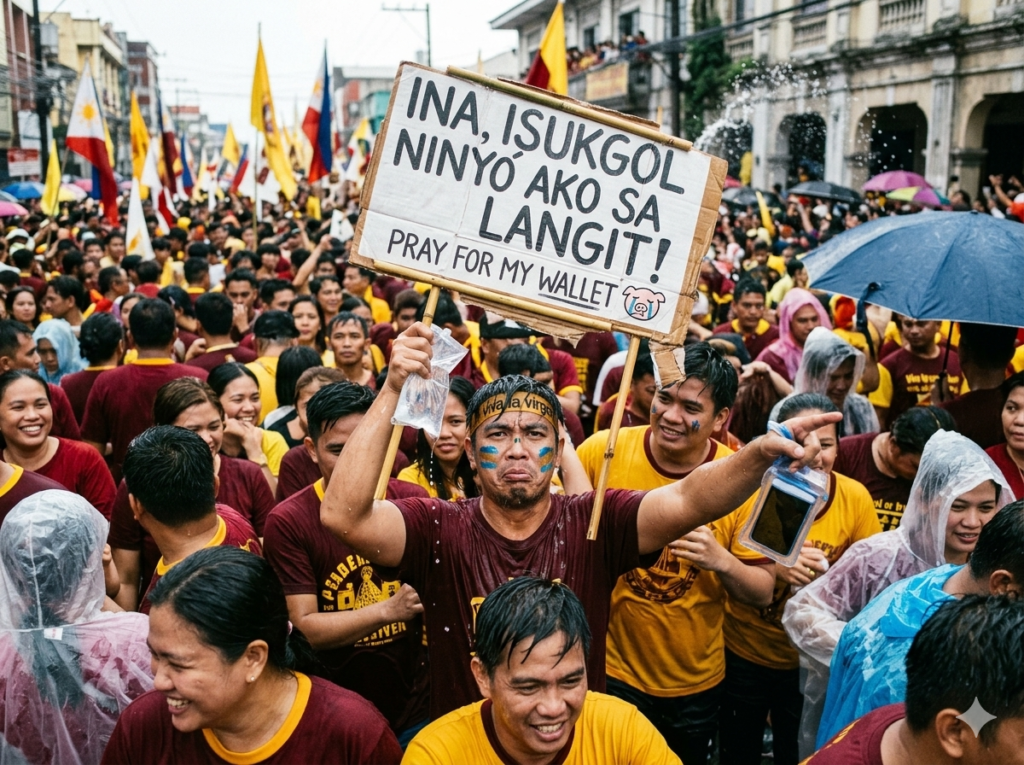
    Imagine standing among a million voices roaring “Viva La Virgen!” as a golden-lit fluvial procession glides down the river, the air thick with incense, tears, and an energy so powerful it makes the hair on your arms stand up. The Peñafrancia Festival in Naga City isn’t just an event you watch; it’s a soul-stirring, sensory-overloading experience that pulls you in completely.
    If you miss out on booking your stay or planning your route correctly, you risk spending this magical week stuck in massive gridlocks, miles away from the action, or worse—left without a room in a fully booked city.

    Solving the Traveler’s Dilemma: Where to Stay?

    The biggest hurdle during Peñafrancia week is accessibility versus peace of mind. Hotels sell out up to six months in advance. If you stay too close to the Basilica, the crowd noise and street closures can trap you. If you stay too far, you lose precious hours in transit.

    The Premium Hub: The Avenue Plaza Hotel

    For travelers seeking effortless comfort, high-quality Wi-Fi to upload Instagram stories in real-time, and top-tier safety, The Avenue Plaza Hotel along Magsaysay Avenue is the golden standard.

    • Who it’s best for: Families, upscale travelers, and digital nomads who need reliable internet and premium relaxation after fighting the crowds.
    • The Experience: Picture stepping out of the intense afternoon humidity and directly into an air-conditioned oasis. You can spend your midday downtime lounging by an outdoor pool, or enjoying a coffee on a private balcony overlooking the city landscape before heading back out for the evening festivities.

    Pros & Cons

    • Pros: Exceptional safety protocols, premium bedding setup, excellent food nearby (Magsaysay Avenue is Naga’s culinary strip), and a spectacular outdoor pool.
    • Cons: Premium pricing; room rates spike significantly during peak festival weekends compared to budget alternatives like Go Hotels or local inns.

    Pricing Observations & Comparisons

    While budget properties in Naga hover around PHP 1,500 to PHP 2,500 per night during the off-season, expect them to double during the festival. A premium stay like The Avenue Plaza will range between PHP 5,000 to PHP 8,000+ per night during peak week. However, the convenience of walking to high-end restaurants and avoiding expensive, stranded tricycle rides makes the investment entirely worth it.

    3-Day Peak Festival Itinerary

    The festival runs throughout September, but the absolute climax occurs during the Traslacion (second Friday) and the Fluvial Procession (third Saturday).

    Indulge in authentic, spicy Bicolano cuisine. Source: bucaio

    Day 1: The Feast of Flavors & The Traslacion

    Peak Friday

    1.Day 1: The Feast of Flavors & The Traslacion:Peak Friday.

    Wake up early to witness the Traslacion Procession, where the image of Our Lady of Peñafrancia is transferred from the Basilica to the Naga Cathedral. The streets will be packed with barefoot male devotees (voyadores). By afternoon, escape the sun and head to a local restaurant to try authentic Bicolano dishes like creamy, spicy Laing (taro leaves cooked in coconut milk and chili) or rich Pinangat.

    Day 2: The Magnificent Fluvial Procession

    Peak Saturday

    2.Day 2: The Magnificent Fluvial Procession:Peak Saturday.

    Spend your morning exploring nearby historical landmarks like the majestic Naga Cathedral. By 3:00 PM, secure a spot at the Naga Riverbanks or a nearby bridge. Watch the stunning sunset procession as Our Lady returns to her home on a grand, brightly lit pagoda boat, escorted by a flotilla of small watercraft.

    Day 3: Cultural Rewind & Souvenir Hunting

    Relaxed Sunday

    3.Day 3: Cultural Rewind & Souvenir Hunting:Relaxed Sunday.

    Sleep in and enjoy your hotel’s pool or breakfast buffet. Spend your afternoon purchasing local souvenirs like sweet Pili nut treats, traditional handicrafts, and woven items before heading home.

    Essential Travel Tips & Nearby Attractions

    Transportation Secrets

    • Getting There: Fly into Bicol International Airport (Daraga) and take a 2-hour passenger van to Naga, or take a direct overnight bus from Manila (approx. 8-10 hours).
    • Getting Around: Streets close completely during processions. Rely heavily on walking. For longer distances, hop on local tricycles, but always clarify the fare beforehand as event-day rates can fluctuate.

    Must-See Spots Nearby

    If you have an extra day, break away from the crowds and explore these iconic spots:

    The historic Naga Metropolitan Cathedral. Source: Wikipedia

    • Naga Metropolitan Cathedral: A stunning, historic Romanesque structure that serves as a focal point for the festival’s deep spiritual heritage.
    • Panicuason Hot Springs Resort: Located at the foot of Mt. Isarog, this is the ultimate spot for relaxation, forest bathing, and refreshing dips after a hectic week of festival celebrations.
    • Camsur Watersports Complex (CWC): Located just a short drive away in nearby Pili, this world-class wakeboarding hub is perfect for thrill-seekers looking to inject some adrenaline into their trip.

    Don’t let another year pass simply watching this extraordinary spectacle on a phone screen. Book your accommodations early, pack your sturiest walking shoes, and prepare to be swept away by one of the most passionate cultural and religious celebrations on earth.

    Klook.com
  • Taste the Magic of Cebu: Ultimate Rosquillos Festival Guide & Best Places to Stay

    Taste the Magic of Cebu: Ultimate Rosquillos Festival Guide & Best Places to Stay

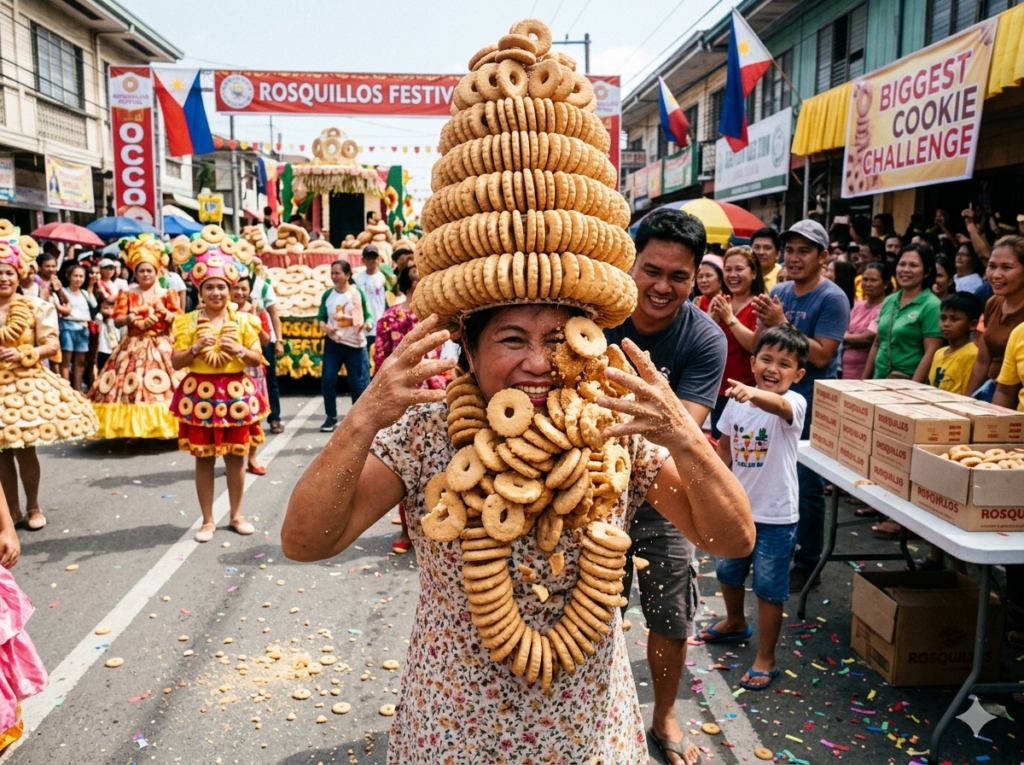
    Imagine biting into a golden, ring-shaped biscuit that melts into a buttery, sweet crunch, while surrounded by a sea of dancers dressed in explosive shades of amber and gold. The air smells of toasted sugar, the beat of the drums thumps through the pavement directly into your chest, and every street corner is alive with celebration. This isn’t just a food festival; it is a full-sensory immersion into the heart of Cebuano hospitality.
    If you miss the annual Rosquillos Festival in Liloan, Cebu, you are missing out on one of the most unique cultural and culinary spectacles in the Philippines. Celebrated every May, this event honors the iconic ring-shaped cookie that has defined this coastal town for over a century. Here is your ultimate guide to experiencing it like a seasoned traveler, avoiding the tourist traps, and securing the best home base for your trip.

    The Heart of the Feast: Festival Schedule and Activities

    The festival is a week-long celebration, but the absolute climax happens over the weekend.

    • Grand Street Dancing Parade (Saturday, 8:00 AM onwards): Watch dynamic dance contingents dance through the main highway down to the central sports complex. Their costumes cleverly mimic the shape and texture of the rosquillos biscuit!
    • The Ritual Showdown (Saturday, 1:00 PM): The grand finale where troupes perform complex cultural routines explaining how the delicacy came to life.
    • Rosquillos Baking & Eating Competitions (Friday afternoon): Witness local bakers go head-to-head to create the perfect ring-biscuit using closely guarded ancestral recipes.

    Solved: The Traveler’s Ultimate Logistics Dilemma

    The biggest problem travelers face when visiting Liloan during the festival is parade-day gridlock and fully booked accommodations. The main highway turns into a pedestrian zone, and if you stay too far away in Cebu City, you will waste hours stuck in a vehicle missing the morning highlights.

    The secret? Book your stay directly in Liloan or the immediate neighboring town of Consolacion. This guarantees incredible accessibility, letting you beat the traffic and walk straight into the festival grounds.

    Where to Stay: Local Accommodation Deep-Dive

    To fully enjoy the coastal charm of Northern Cebu while staying near the festival action, a boutique beach resort or a premium home-style villa nearby is your best choice.

    Who This Accommodation is Best For

    This local accommodation setup is absolutely perfect for families and couples who want the thrill of a crowded cultural festival by day, but require total peace, premium comfort, and a relaxing pool to unwind in by night. It balances cultural immersion with a vacation-style getaway.

    Pros and Cons

    • Pros: Outstanding accessibility to the festival grounds; reliable high-speed WIFI quality for uploading your travel vlogs; gorgeous Instagram-worthy spots around the pool; incredibly safe perimeter with 24/7 security; tons of authentic food stalls nearby.
    • Cons: Premium pricing spikes significantly during the peak festival week; limited immediate parking slots due to street closures.

    Pricing Observations & Local Comparisons

    While budget motels along the highway charge around ₱1,500 per night, they often suffer from poor water pressure and noisy street ambiance. Upgrading to a boutique resort or premium villa ranges between ₱3,500 to ₱5,500 per night. The small premium is worth every penny—giving you air-conditioned relaxation, superior amenities, and a peaceful night’s sleep away from the heavy festival bass.

    Crafted 2-Day Festival Itinerary

    Day 1: Heritage, Lighthouses, and Toasted Sugar

    • Morning: Arrive in Liloan via private car or public bus. Drop your bags off at your hotel and head straight to Titay’s Liloan Rosquillos—the birthplace of the delicacy since 1907. Grab a warm box of freshly baked treats and a cup of native coffee.
    • Afternoon: Take a tricycle to the historic Bagacay Point Lighthouse. The sweeping ocean view and coastal breeze provide a perfect, relaxing spot for photos.
    • Evening: Walk the vibrant food bazaar near the town plaza. Taste local Cebuano Lechon and grilled seafood at budget savings prices, then return to your resort for a night swim.

    Day 2: The Grand Explosion of Color

    • 6:30 AM: Enjoy a quick breakfast at your hotel and secure a viewing spot along the street dancing route early.
    • 8:00 AM – 12:00 PM: Experience the energy of the Rosquillos Festival Street Dance. Take advantage of the close proximity of your hotel to pop back inside for a quick air-conditioned break if the noon heat gets too intense.
    • 3:00 PM: Head to the local markets to buy souvenirs—including masi (sweet, gooey peanut-filled glutinous rice balls) and boxes of rosquillos for your loved ones back home.

    Essential Travel Tips & Transportation Guide

    • How to Get There: From Cebu City’s North Bus Terminal, hop on any bus or jeepney bound for Liloan. The travel time is normally 45 minutes, but plan for 1.5 to 2 hours on festival weekend. Alternatively, booking a ride-hailing app like Grab before 7:00 AM is the most comfortable choice.
    • Local Food Secret: Don’t leave without trying Masi from Liloan. These are freshly made everyday, bite-sized, and cost less than ₱10 apiece. It’s the ultimate budget-friendly local treat.
    • FOMO Warning: Accommodation spaces in Liloan vanish months before May. If you wait until the last minute, you will be forced to stay miles away, spending your festival weekend trapped inside a hot commuter van instead of dancing in the streets!

    “We booked a local resort just ten minutes from the plaza. Being able to escape the midday crowd, jump in the pool, and walk right back out for the evening fireworks made our entire Cebu trip seamless!” – Travel Review by Miguel S., Manila

  • The Ultimate Cebu City to Moalboal Guide: How to Optimize Your Travel Time for the Trip of a Lifetime

    The Ultimate Cebu City to Moalboal Guide: How to Optimize Your Travel Time for the Trip of a Lifetime

    Picture this: You are floating face-down in perfectly warm, crystalline turquoise water. You take a breath through your snorkel, dive down three meters, and suddenly a wall of millions of glittering silver sardines parts seamlessly around you, blocking out the sun like a living, shape-shifting constellation. Minutes later, a massive, ancient sea turtle glides casually right beside you. This isn’t a heavily staged nature documentary—this is a typical morning on Panagsama Beach.

    If you are sitting in a cafe in Cebu City right now staring at your map, you are probably asking yourself the ultimate question: Is the multi-hour trip down southwest actually worth it?

    The short answer is an absolute, echoing yes. But if you don’t calculate your transit correctly, you risk getting trapped in grueling commuter traffic, arriving long after the glassy ocean conditions have faded, or missing out on the best beachfront vibe. Let’s break down the realities of the journey so you can unlock pure coastal relaxation without the travel headaches.

    Deconstructing the Transit: Reality vs. The Map

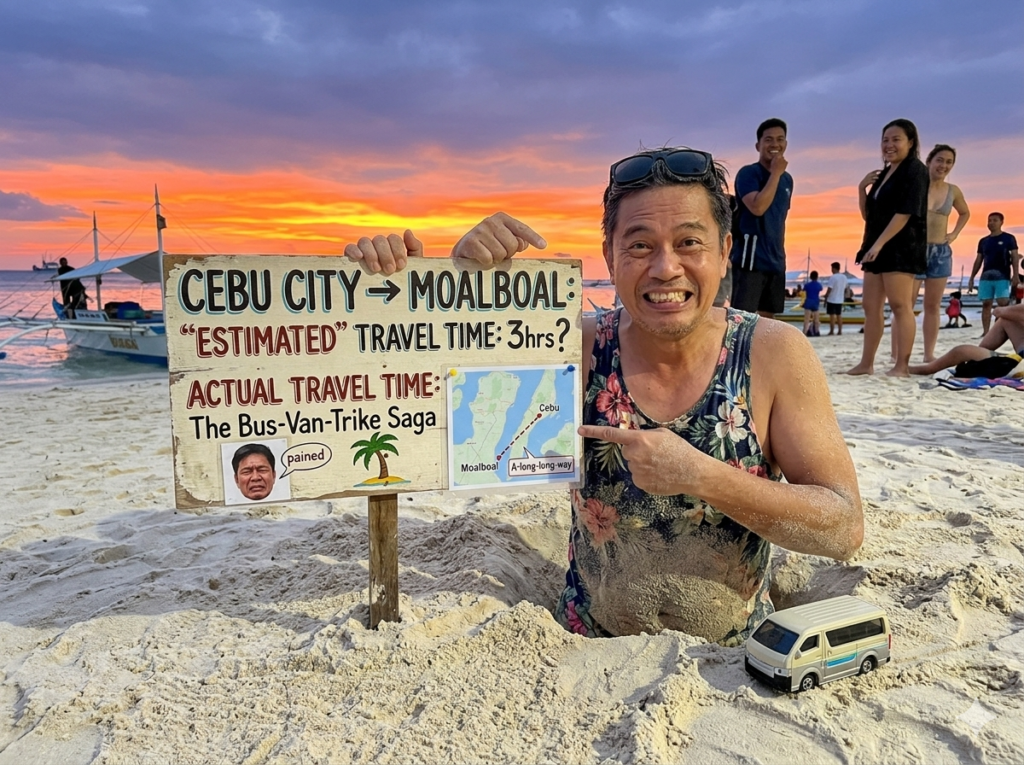
    When checking the distance from Cebu City to Moalboal, a standard GPS map might tell you it takes just under two hours. Do not fall into this trap.

    In reality, your true Cebu City to Moalboal travel time will average between 3 to 4.5 hours, depending entirely on your chosen mode of transport, the time of day you leave, and the legendary bottleneck traffic of Carcar City.

    Choosing Your Ride: Comfort vs. Budget Savings

    The road trip is a southwest crawl down the coast before cutting across the mountain spine of Cebu. Here is how your transportation choices stack up against each other:

    Option A: The Public Ceres Bus (The Budget Savior)

    • The Experience: Head over to the Cebu South Bus Terminal (CSBT). You will want to look for a Ceres bus labeled via Barili or Batu (make sure it explicitly lists Moalboal). Air-conditioned buses leave roughly every 30 minutes.
    • The Travel Time: 4 to 5 hours (it stops frequently to pick up local roadside commuters).
    • The Cost: Approximately PHP 210 to 260 per person.

    Option B: The Private Car or Taxi (The Ultimate Comfort & Convenience)

    • The Experience: Booking a private vehicle transfer through a ride-hailing app, your hotel front desk, or a local transport agency.
    • The Travel Time: 2.5 to 3.5 hours if you leave at the right time.
    • The Cost: Around PHP 2,500 to PHP 4,000 flat rate.

    The Decision Matrix: When to Leave to Beat the Chaos

    Your travel success boils down to a single tactical window: The Early Bird Strategy.

    If you attempt to leave Cebu City at 8:00 AM on a Friday, you will spend over an hour just trying to escape the city limits, and another hour bumper-to-bumper in Carcar City.

    The Golden Pro-Tip: The absolute sweet spot to leave Cebu City is between 4:00 AM and 5:30 AM. By departing at dawn, you bypass the morning rush-hour bottleneck completely, shave up to an hour off your transit time, and arrive in Moalboal just in time for a fresh beachfront breakfast while the sea is dead calm.

    Where to Stay: Lodging Spotlight & Comparisons

    Once you arrive, your choice of home base determines your overall experience. Moalboal’s accommodation layout is split into two distinct neighborhoods: Panagsama Beach (the high-energy hotspot for diving and food) and White Beach (the quiet, sandy relaxation strip).

    The Premium Hub: Kasai Village Dive Resort

    • Best For: Scuba divers, couples seeking quiet luxury, and travelers prioritizing world-class amenities and high-speed WIFI quality.
    • The Vibe: An upscale beachfront oasis featuring a stunning pool setup, private ocean-view balconies, and an elite, full-service PADI dive center right on the property.
    • Pricing Observation: It sits at a premium tier (PHP 6,000+ per night). Compared to mid-range spots like Savedra Design Villas (around PHP 2,500), Kasai offers pristine privacy, manicured gardens, and top-tier safety away from the noisy main strip.
    • Pros: Direct reef access, excellent restaurant options, highly secure, and very peaceful.
    • Cons: Located a short tricycle ride away from the main cluster of Panagsama nightlife.

    The Backpacker Sanctuary: Chief Mau Moalboal

    • Best For: Budget solo travelers, social butterflies, and digital nomads.
    • The Vibe: An incredibly social, Instagram-worthy eco-hostel right in the center of Panagsama. It features cozy bunk setups, a lively open-air bar, hammock lounges, and highly dependable internet.
    • Pricing Observation: Extremely budget-friendly (PHP 500 – 900 for dorm beds). While you trade away private balconies or a pool, the budget savings leave you with plenty of extra cash for dive packages and excursions.
    • Pros: Steps away from the sardine run, incredibly easy accessibility to food, and an instant community.
    • Cons: Can get loud at night; communal bathrooms.

    Unmissable Things to Do in Moalboal

    Do not let yourself suffer from FOMO (Fear Of Missing Out) by staying cooped up in your resort. Moalboal packs an incredible punch within a tiny geographic footprint:

    • The Panagsama Sardine Run: You do not need a boat for this. Walk straight off the shore next to Chilli Bar with a rental mask and snorkel. The massive drop-off reef wall sits just 30 meters out, where millions of resident sardines school 24/7.
    • Turtle Spotting: Gently paddle over the shallow seagrass beds of Panagsama in the early morning to spot sea turtles grazing peacefully.
    • White Beach Lounging: If Panagsama’s rocky, coral shores leave you wanting a classic sandy layout, take a 10-minute tricycle ride north to White Beach (Basdako). It is a gorgeous, wide stretch of powdery white sand perfect for sunbathing.

    Local Food & Cultural Guides

    The Foodie Scene

    Because of the massive influx of international divers, Moalboal has evolved into an exceptional culinary hub.

    • Shaka Bowls: Head here for gorgeous, Instagram-worthy fresh fruit smoothie bowls topped with homemade granola.
    • Ven’s Kitchen: The definitive local stop for authentic, budget-friendly Filipino dishes like Lechon Kawali (crispy deep-fried pork belly) and refreshing mango shakes.
    • Chilli Bar: The ultimate evening social spot to grab a cold San Miguel beer right over the water as the stars come out.

    Festival Calendar

    If you want to time your trip around local culture, the annual Moalboal Kagasangan Festival takes place every May 15th to 16th. The town comes alive with vibrant street-dancing competitions, colorful costumes, and parades celebrating the community’s primary life source: its abundant coral reefs and marine biodiversity (Kagasangan translates to “corals”).

    Nearby Day-Trip Attractions

    If you are staying for more than two days, use Moalboal as a strategic launching pad for mainland Cebu’s greatest outdoor adventures:

    • Kawasan Falls & Canyoneering (Badian): Located just 30 minutes south of Moalboal. This is a bucket-list jungle adventure where you put on a life jacket and helmet to jump off limestone cliffs, slide down natural rock slides, and swim through a stunning turquoise river canyon ending at the iconic Kawasan multi-tier falls.
    • Osmeña Peak (Dalaguete): A 1.5-hour drive into the interior mountains takes you to the highest point in Cebu. A quick, easy 20-minute hike rewards you with panoramic views of unique, jagged green hills that look like a miniature version of the Chocolate Hills stretching out to the sea.

    Social Proof: What Travelers Are Saying

    “I initially planned to stay in Moalboal for two nights, but ended up extending for a full week. Walking out of my hostel room with a mask and immediately swimming with five different sea turtles felt like absolute magic. The 3.5-hour bus ride from Cebu City was forgotten the second I hit the water.” — Sarah L., Travel Blogger

    The Verdict: Don’t Regret Skipping the South

    Every year, thousands of travelers leave Cebu wishing they had spent less time in the crowded metropolis and more time down in the coastal interior. By planning an early dawn departure, picking an accommodation that aligns with your budget, and jumping straight into the marine sanctuaries, your trip to Moalboal will easily go down as the absolute highlight of your Philippine adventure.

    Klook.com
  • Why Everyone is Skipping the Boracay Main Strip This Year

    Why Everyone is Skipping the Boracay Main Strip This Year

    Imagine waking up to the sound of soft, rolling waves instead of thumping basslines. Picture yourself stepping onto a powdery shore where the only footprints in the sand are yours, holding a fresh mango shake while the legendary golden sun dips below a completely unobstructed horizon. For years, traveling to this island meant bracing for swarming crowds, aggressive beachfront vendors, and neon-lit noise. But a quiet shift is happening right now. Smart travelers are actively turning their backs on the chaotic center of White Beach and discovering that the real magic of paradise lives where the main strip ends.

    The Hidden Paradise Problem: Main Strip Burnout

    The classic traveler’s dilemma in Boracay has always been choosing between convenience and peace. Staying on the main strip (Station 2) puts you near restaurants, but it sacrifices your sleep, your privacy, and that peaceful island feeling.

    Staying in the secluded northern zones like Station 1 or Diniwid used to mean feeling isolated. Today, boutique resorts have solved this problem entirely. They offer high-speed, remote-work-ready Wi-Fi, localized luxury, and seamless accessibility, proving that you do not have to sleep in the middle of a crowded tourist trap just to enjoy top-tier dining and smooth logistics.

    Living the Freedom: What It Actually Feels Like

    Choosing to bypass the central strip unlocks a completely different vacation experience:

    • True Relaxation: Wake up to unobstructed views and read a book on a quiet balcony without loudspeakers interrupting your morning.
    • Instagram-Worthy Privacy: Take stunning beach photos without fifty strangers in the background of your shot.
    • Elevated Comfort: Experience boutique hotels that focus on personalized service, curated room setups, and pristine pool spaces rather than turning over high volumes of guests.
    • Safety & Security: Enjoy uncrowded spaces with dedicated resort staff, providing peace of mind for solo travelers and families alike.

    The Insider Guide: Where to Stay & Price Realities

    For an optimal balance of peace and accessibility, focus on the border of Station 1 or the tucked-away hills of Diniwid.

    Who This Area is Best For

    This lifestyle is tailor-made for couples seeking romance, remote professionals who need reliable Wi-Fi for video calls, and mindful travelers looking to decompress. If your goal is to dance on tables until 3:00 AM, stay in Station 2. If your goal is to restore your energy, head north.

    Pricing Observations & Comparisons

    • Main Strip Hotels: Often charge a premium simply for their beachfront location, even if the rooms are dated and the noise levels are high.
    • Station 1 / Diniwid Boutique Gems: Mid-range to luxury boutique spots range between $90 to $180 USD per night. While slightly higher than budget hostels, they offer immense value through inclusive perks, modern amenities, gym access, and exceptional, personalized hospitality.

    Pros & Cons

    ProsCons
    Quiet, pristine beaches with minimal vendorsFewer immediate fast-food or budget dining options
    Modern rooms with stable, high-speed Wi-FiSlightly longer e-trike rides to central malls
    Unmatched sunset views without the crowdsHigher upfront room rates compared to Station 3

    Local Flavors & Culinary Discoveries

    Skipping the commercial buffet lines opens the door to authentic culinary experiences. The northern and hillside areas host excellent independent restaurants serving fresh, local seafood platters and innovative Filipino fusion dishes.

    Local Dining Tip: Seek out small, homegrown bistros near Station 1 for authentic sinigang made with local seafood, or try grilled calamari paired with fresh calamansi juice at a quiet beachside table.

    Exploring Beyond the Sand: Nearby Attractions

    When you want to explore beyond your beach chair, these spots offer an excellent escape from the usual crowds:

    • Diniwid Beach: A charming, cliff-sheltered cove just a short walk around the rock corner from Station 1. It offers a cozy, bohemian vibe.
    • Puka Shell Beach: Located at the northern tip of the island. It is famous for its coarser, shell-crusted sand and wild, untouched tropical atmosphere.
    • Mt. Luho Viewpoint: The highest point on the island, providing a stunning 360-degree view of the lush coastline.

    Island Logistics: Transportation Tips

    Navigating the island without staying in the center is simple and eco-friendly.

    • E-Trikes are King: The island’s electric tricycles are quiet, efficient, and readily available. A shared ride along the main road costs very little, while a private charter to almost anywhere on the island ranges from 100 to 250 PHP ($2 – $5 USD).
    • The Beach Walkway: When the tide is low, walking along the shoreline from Station 1 to Station 2 is beautiful, flat, and completely free of vehicle traffic.

    Local Events: Festival Schedules & Activities

    Timing your trip can add an extra layer of cultural excitement to your stay:

    • Boracay International Dragon Boat Festival (Typically April/May): Watch thrilling boat races along White Beach as international teams compete. Staying in Station 1 gives you a front-row view of the practice runs without the crowded finish-line chaos.
    • The Ati-Atihan Celebrations (January): Experience vibrant drumbeats and cultural dancing that honor the island’s indigenous heritage.
    • Water Sports Season (November to April): The eastern side of the island (Bulabog Beach) becomes a world-class hub for kitesurfing and windsurfing, easily accessible via a quick e-trike ride from the north.

    Don’t let another vacation go by spent fighting for a square inch of sand or waking up to the sounds of nightlife traffic. The secret is out, and the best spots on the island are booking up fast. If you wait too long to secure your quiet slice of paradise, you’ll be left listening to the noise of the main strip while everyone else enjoys the serene, postcard-perfect escape they deserve.

    Klook.com