
Category: Blog

Your blog category

  • The Sweet Legacy: A Journey Through the History of Sugarcane Plantations in Bacolod City

    The Sweet Legacy: A Journey Through the History of Sugarcane Plantations in Bacolod City

    Roots of Sugarcane Cultivation

    The origins of sugarcane cultivation in Bacolod City can be traced back to the early Spanish colonial period, when the landscape of the Philippines began to transform under European influence. Initially, local communities relied on traditional agriculture to sustain themselves, cultivating rice and root crops. However, the early introduction of sugarcane into the region marked a pivotal moment in agricultural practices, as farmers began to recognize the crop’s potential not only for sustenance but also as a lucrative commodity.

    Spanish Colonization: Exploitation in the Philippines

    As sugarcane was introduced, particularly from neighboring islands, it presented both opportunities and challenges. The rich soil and favorable climate of Bacolod City made it an ideal location for sugarcane cultivation, yet the farmers faced significant hurdles. These early agriculturalists grappled with the unfamiliar techniques required for planting, harvesting, and processing sugarcane. Limited access to resources and knowledge often resulted in difficult circumstances, putting their dreams of prosperity on the line.

    Emotional narratives from the first farmers reveal their resilience and hope. Many were driven by the aspiration to improve their families’ livelihoods, often investing every ounce of their strength into this new venture. With each planting season, the fields became a tapestry of hard work and determination, as families toiled under the sun, nurturing the plants while envisioning a brighter future. Over time, through shared experiences and traditional wisdom passed down through generations, these farmers began to adapt their methods, enhancing their yields and gradually establishing a robust sugarcane economy.

    The evolution of sugarcane cultivation in Bacolod City, from humble beginnings to a cornerstone of the local economy, serves as a testament to the ability of communities to adapt and thrive. The agricultural bond forged with the land and the sweet crop has woven an integral narrative in the history of Bacolod, laying the foundation for its famed sugar industry that continues to shape its identity today.

    The Rise of the Sugar Industry

    The sugar industry in Bacolod City experienced significant growth during the 19th and 20th centuries, transforming the region’s socio-economic landscape. Initially introduced by Spanish colonizers, the cultivation of sugarcane in Negros Island underwent substantial expansion, particularly with the establishment of large plantations. By the late 19th century, Bacolod City emerged as a vital center for sugar production, capitalizing on favorable climatic conditions and fertile soil, which provided a conducive environment for sugarcane farming.

    The Rise of the Sugar Industry

    This era witnessed a remarkable increase in job opportunities, drawing numerous laborers from surrounding regions. Families migrated to Bacolod City, attracted by the prospects of employment within the burgeoning sugar industry. Sugarcane plantations became the backbone of local communities, with many relying on cultivation, harvesting, and processing activities for their livelihoods. The influx of laborers not only bolstered the workforce but also contributed to the cultural tapestry of Bacolod, as diverse communities intermingled and shared traditions.

    As the industry thrived, it infused new life into the local economy. The establishment of processing facilities, transport networks, and support industries created a ripple effect, enriching various sectors, including trade and services. Business opportunities flourished with the convergence of demand for goods and services. Local entrepreneurs emerged, providing everything from agricultural supplies to retail services. This economic boom also fostered the development of infrastructure, enhancing connectivity and access to resources.

    However, the rise of the sugar industry brought not only economic benefits but also challenges. Many families faced the highs and lows associated with sugarcane cultivation, including the fluctuations of sugar prices and the harsh realities of labor conditions. Emotional stories abound of families whose lives were intertwined with the rhythms of sugar production, their hopes rising with each harvest, while hardships loomed in the shadows of industry cycles. Despite these challenges, the allure of the sugar industry continued to dominate, shaping Bacolod City’s identity and future.

    The Decline and Resilience of Sugar Plantations

    The sugarcane plantations in Bacolod City, once thriving symbols of prosperity, have faced considerable challenges in recent decades. These challenges stem from a combination of global market fluctuations, detrimental impacts of climate change, and intensifying competition from other agricultural regions. The market liberalization in the early 2000s led to a surge in imported sugar, exacerbating the struggles of local farmers who found it increasingly difficult to compete in pricing and production volume. As this shift occurred, small-scale farmers and plantation workers began to experience a significant decline in their livelihoods, leaving many families in financial distress.

    Climate change has further exacerbated the situation, with erratic weather patterns such as prolonged droughts and heavy rainfall adversely affecting crop yields. This unpredictability not only threatens the viability of the sugar industry but also instills a pervasive sense of uncertainty within the community. Interviews with long-time plantation workers and owners reveal a shared emotional burden, as years of hard work in the fields have been undermined by forces beyond their control. These stories reflect the heartache and anxiety experienced by families who have relied on sugarcane cultivation for generations.

    Despite these formidable obstacles, the resilience of Bacolod’s community has shone through in their efforts to adapt and innovate. Many have turned to diversification, embracing new crops and alternative livelihoods as they strive to preserve their heritage and support their families. Initiatives aimed at organic farming and sustainable practices are gaining traction, demonstrating a commitment to the land and the knowledge passed down through the years. The community’s drive to innovate while honoring their rich history stands as a testament to their unwavering spirit in the face of adversity, ensuring that the legacy of sugarcane plantations will endure in one form or another.

    A Sweet Future: Traditions and Adaptations

    The journey of sugarcane cultivation in Bacolod City has evolved significantly over the years, marrying traditional practices with modern agricultural techniques. Today, local farmers are facing the dual challenge of maintaining the socio-cultural significance of sugarcane while adapting to contemporary demands and environmental changes. In this pursuit, many farmers have embraced innovative methods that enhance yield and sustainability. The integration of precision farming, organic cultivation, and agroecological practices is becoming increasingly prevalent, allowing growers to respond to market pressures while preserving their heritage.

    A noteworthy trend is the emphasis on sustainability. Farmers in Bacolod City are exploring agroforestry and intercropping, techniques that not only boost sugarcane production but also contribute to soil health and biodiversity. The shift towards organic fertilizers and integrated pest management is reflective of a broader awareness regarding environmental preservation. By doing so, these farmers respect traditional agrarian methods while paving the way for sustainable futures.

  • The Heartfelt History of the Masskara Festival: A Celebration of Resilience and Joy

    The Heartfelt History of the Masskara Festival: A Celebration of Resilience and Joy

    Origins of the Masskara Festival

    The Masskara Festival, which takes place annually in Bacolod City, Philippines, traces its roots back to 1980, a period marked by significant economic challenges for the region. During this time, the local sugar industry, which was a major source of livelihood for many, experienced a steep decline. This economic crisis led to widespread unemployment and despair among the residents, prompting the need for a communal upliftment. In the midst of these hardships, local leaders and residents recognized the importance of fostering a sense of community and hope, leading to the creation of the Masskara Festival.

    Behind every mask is a story of strength

    The term “Masskara” is derived from the Latin word “mascara,” meaning mask, coupled with “mass,” symbolizing the gathering of the people. This vibrant festival was envisioned as a way to revive the spirits of the Bacolod community by celebrating life despite adversity. The first-ever Masskara Festival showcased colorful masks adorned with cheerful expressions, reflecting both the sorrow and resilience of the people. This juxtaposition served to foster a sense of joy that transcended the trials they faced.

    Over the years, the Masskara Festival has grown to become an integral part of Bacolod’s identity, evolving into a vibrant expression of cultural heritage. The festival includes street dancing, elaborate parades, and various competitions, all imbued with the spirit of resilience that characterized its inception. Personal stories from festival participants, many of whom witnessed the struggles of the past, highlight how the Masskara Festival not only serves as a reminder of the city’s challenges but also as a celebration of its enduring hope and unity. This rich history of resilience serves to remind the residents of Bacolod that even in difficult times, the human spirit can find joy and strength through community solidarity and celebration.

    Evolution of the Festival: From Humble Beginnings to Grand Celebration

    Originating in the late 1980s in Bacolod City, the Masskara Festival began as a response to a tragic event, the sinking of the MV Don Juan, which claimed numerous lives. The initial concept was simple: locals donned masks featuring smiling faces to symbolize resilience amidst sorrow. Over time, this humble event has transformed into a grand celebration recognized both nationally and internationally, showcasing the vibrancy of Bacolod City and its people.

    In its early years, the focus was primarily on the masked street dance parade as a way for the community to come together in a show of solidarity and hope. However, as the festival gained popularity, it incorporated a variety of additional activities, such as food fairs, musical performances, and art exhibits, all highlighting the cultural heritage of the region. These new elements appealed to tourists and added layers of richness to the festival, driving broader participation.

    Significant milestones in the history of the Masskara Festival include the establishment of various competitions, such as the Masskara Dance Competition and the Miss Masskara pageant, which further attracted local talents and fostered pride within the community. Anecdotes from long-time participants reflect the emotional connection many have with the festival; one local stated, “Every year, we come together not just to celebrate, but to reaffirm our identity as Bacoleños. It has become a part of who we are.”

    Throughout the years, the Masskara Festival has increasingly embraced innovation while staying true to its roots, adapting to global trends without losing its unique flavor. The amalgamation of tradition and modernity now resonates not just in Bacolod City, but across the nation and the globe, fostering a sense of community and shared joy. As we celebrate its evolution, the Masskara Festival is a reminder of the resilience and unwavering spirit of its people, celebrating life through vibrant colors and joyous expressions.

    Key Features of the Masskara Festival: Masks, Music, and Merriment

    The Masskara Festival is a vibrant showcase of cultural expression, emerging as a unique celebration that resonates deeply with the spirit of resilience and joy among its participants. At the heart of this festival are the iconic masks, masterfully crafted to reflect a myriad of emotions while embodying the festival’s core values. Each mask features a distinct design, often embellished with bright colors and intricate decorations, symbolizing happiness and the enduring human spirit. The artistry involved in creating these masks transcends mere craftsmanship; it represents a convergence of identity, heritage, and the shared experiences of the community. Artists dedicate time and creativity to ensure each mask not only showcases artistic proficiency but also resonates with personal and collective stories.

    Complementing the visual allure of the masks is the exhilarating music that fills the air during the festival. Traditional and contemporary sounds blend seamlessly, with both local and international influences harmonizing to create a celebratory atmosphere. The rhythm of drums, vibrant notes of brass instruments, and the infectious beats of local music create an auditory tapestry that unites participants and spectators alike. Music serves as an emotional conduit, enabling individuals to express joy, hope, and the celebratory essence of the festival, while also fostering community bonds that transcend cultural barriers.

    Equally important to the Masskara Festival are the lively street dances that animate its streets. Dancers, adorned in their colorful costumes and masks, move rhythmically, telling stories of triumph and resilience through their performances. Each dance captures the spirit of the festival, inviting audiences to participate in the collective joy of the moment. Personal accounts from artists and dancers reveal the fulfillment they derive from performing, as well as the communal connections formed during this annual celebration. The Masskara Festival’s key features—masks, music, and merriment—serve as powerful symbols of the collective resilience of the participants, celebrating both the struggles and joys of life.

    The Impact of the Masskara Festival on Bacolod and Beyond

    The Masskara Festival, celebrated annually in Bacolod City, holds profound significance for the local community and extends its influence far beyond the region. At its core, the festival fosters a sense of unity among participants and residents, embodying the resilient spirit of the Filipino people. This positivity resonates particularly in the wake of challenges, acting as a beacon of hope and a vibrant celebration of life.

    Economically, the Masskara Festival plays a pivotal role in boosting Bacolod’s local economy. Thousands of tourists flock to the city each year, drawn by the allure of the colorful masks, lively street dances, and rich cultural heritage. This influx of visitors creates numerous opportunities for local businesses, from food vendors to artisans, who showcase their crafts during the event. Testimonies from local entrepreneurs highlight how the festival has been instrumental in enhancing their visibility and sales during this peak season.

    Moreover, the impact of the Masskara Festival transcends mere economic benefits; it actively promotes cultural exchange. By bringing together diverse groups—from locals to international tourists—the festival nurtures a shared appreciation for traditional Filipino art and culture. Artists and performers engage in dialogues that celebrate the richness of their heritage, enriching not only their own community but also allowing visitors to grasp the deeper historical narratives of the region.

    Furthermore, the Masskara Festival strengthens national pride among Filipinos, serving as a reminder of their collective identity and history. It paints a vibrant picture of resilience, showcasing how the people of Bacolod celebrate life despite adversities. Through the lens of the festival, participants and attendees alike experience emotional connections that forge lasting memories and relationships, further solidifying community spirit.

  • Embracing the Heart of Bacolod City: A Travel Guide

    Embracing the Heart of Bacolod City: A Travel Guide

    Embracing the Heart of Bacolod City: A Travel Guide

    Introduction to Bacolod City: The City of Smiles

    Bacolod City, affectionately known as the “City of Smiles,” is located in the Western Visayas region of the Philippines. This vibrant urban center is celebrated for its welcoming atmosphere, where locals embody the spirit of hospitality and joy. Bacolod’s culture is a rich tapestry woven from its history, culinary artistry, and lively traditions, all of which come together to create a destination that leaves a lasting emotional impression on visitors.

    Exploring the vibrant culture and progressive heart of Bacolod City

    The city’s charm is further highlighted by the famous MassKara Festival, a colorful annual celebration that showcases Bacolod’s artistic spirit and community resilience. This festival, held every October, features a parade of beautifully costumed participants wearing vibrant masks adorned with smiles, symbolizing the positivity and warmth of Bacolod’s residents. Visitors and locals alike join in for days filled with music, dance, and a myriad of activities, all fostering a sense of unity and shared joy.

    Bacolod City is not only known for its joyous celebrations but also for its delectable cuisine. Food enthusiasts will find an array of local delicacies worth exploring, such as the iconic chicken inasal, a grilled chicken dish marinated in a distinctive blend of spices. The city’s culinary scene, marked by both street food and upscale dining, reflects the area’s agricultural bounty and serves as a delightful culmination of flavors. Furthermore, the numerous stunning landmarks, including the San Sebastian Cathedral and the Bacolod Public Plaza, offer visitors a glimpse into the city’s rich history and architectural significance.

    Ultimately, Bacolod City presents a unique blend of culture, warmth, and culinary excellence, creating a heartfelt travel experience that resonates profoundly with those who choose to visit. The emotional connection travelers forge with this city is a testament to the enduring spirit and the welcoming nature of its people.

    Top Attractions to Explore in Bacolod

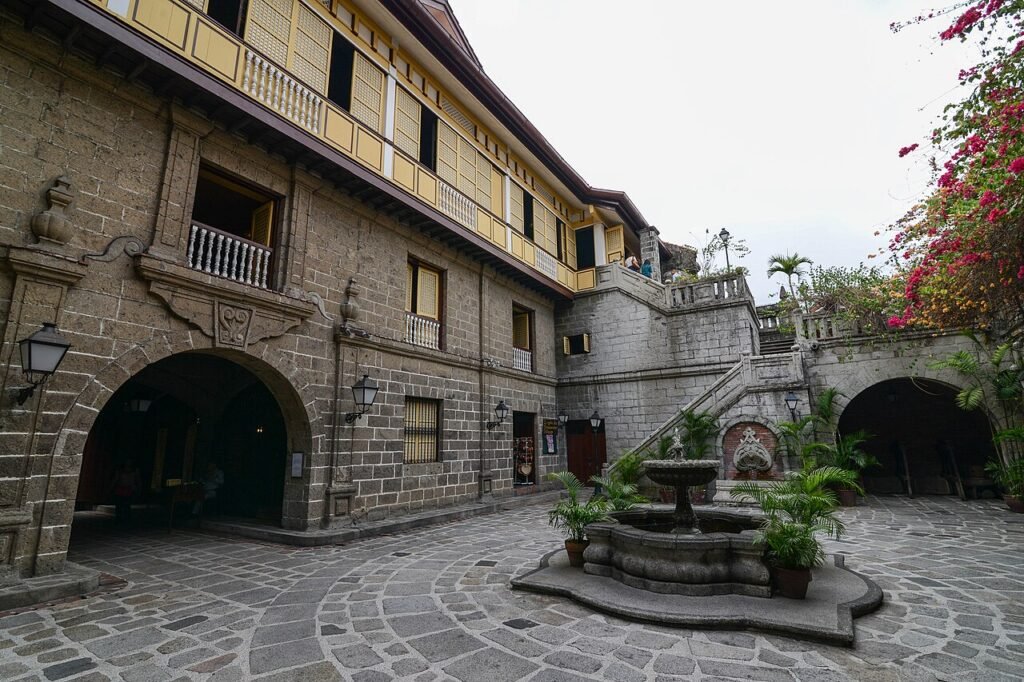
    Bacolod City, known as the City of Smiles, offers a wealth of attractions that showcase its rich beauty and heritage. One of the most famous landmarks is The Ruins, an iconic structure that was once the ancestral home of the Lacson family. Built in the early 1900s, this grand mansion features a unique architectural style, blending both American and Italian influences. Visitors can wander through the beautifully maintained gardens and learn about the family’s intriguing history during the Philippine Revolution, making it a significant monument in Bacolod’s narrative.

    Ruins of a mansion, but never the love behind it

    Another essential stop is the San Sebastian Cathedral, noted for its striking Neo-Gothic architecture and captivating stained glass windows. This church has been a spiritual cornerstone for the Bacolod community since the 1880s, standing as a testament to the city’s enduring faith and cultural identity. The serene ambiance invites tourists to reflect while experiencing the local customs and church services that highlight the vibrant spiritual life of the residents.

    The Negros Museum provides visitors with an insightful glimpse into the region’s history and culture. Featuring exhibitions that showcase local art, historical artifacts, and the diverse heritage of Negros Occidental, the museum serves as a hub for cultural appreciation and education. Travelers will find it to be a rich resource, revealing the stories that have molded Bacolod’s identity over the decades.

    Where memories are preserved and stories are never forgotten

    In addition to these historic sites, Bacolod also boasts various local parks and vibrant markets, such as the Paglaum Sports Complex and the Bacolod Public Market. Here, travelers can immerse themselves in the lively atmosphere, tasting local delicacies and interacting with friendly vendors, which fosters unforgettable memories. Overall, Bacolod offers an enriching experience where visitors can delve deeper into its attractions and appreciate the unique experiences that await.

    Culinary Journey: Tasting Bacolod’s Flavors

    Bacolod City, known as the City of Smiles, has a culinary scene that reflects not only its rich heritage but also the warmth and hospitality of its people. The flavors of Bacolod are deeply rooted in tradition, showcasing a variety of dishes that tantalize the palate and evoke cherished memories. At the heart of this gastronomic experience is Inasal, a delectable grilled chicken marinated in a unique blend of spices and served with a side of rice and vinegar dipping sauce. Enjoying Inasal at a local eatery is more than just a meal; it’s an experience that connects one to the local community and its culinary customs.

    Another beloved dish that embodies the essence of Bacolod is batchoy, a noodle soup that originated in the region. This hearty dish combines rich broth, pork, liver, and a variety of toppings, offering a comforting meal that warms the soul. Embracing Bacolod’s cuisine means diving into its vibrant food markets, where the aromas of grilled meats and freshly cooked dishes mingle in the air, inviting you to sample each unique offering.

    Don’t forget to indulge in Bacolod’s sweet pastries, particularly piaya, a flatbread filled with sweetened muscovado sugar. Enjoying piaya, whether at a bustling market stall or a quaint café, often leads to shared conversations and joyful laughter among locals and visitors alike. The communal aspect of dining in Bacolod enhances the overall experience, where people come together, forging connections over shared meals and stories. This atmosphere of camaraderie truly adds to the pleasure of tasting Bacolod’s flavors. Each bite offers not only a taste sensation but also a glimpse into the rich culture and community spirit that defines this vibrant city. Embracing Bacolod’s culinary delights can create memories that linger long after the meal is finished.

    Planning Your Trip: Tips for an Unforgettable Experience

    When planning a journey to Bacolod City, timing plays a crucial role in ensuring a memorable experience. The best time to visit is from November to February, when the weather is cooler and the city hosts various vibrant festivals, including the famous MassKara Festival in October. This period allows visitors to enjoy the local culture and festivities while avoiding the sweltering heat prevalent in the summer months.

    Transportation options in Bacolod City are diverse, catering to various preferences and budgets. For air travel, Bacolod-Silay Airport serves as the primary gateway. Once in the city, taxis and ride-sharing services are widely available, while tricycles and jeepneys offer an authentic local experience. Renting a motorbike can also provide flexibility for exploring the city’s attractions at your own pace.

    Accommodations in Bacolod range from budget-friendly hostels to luxurious hotels. For a more immersive experience, consider booking a stay at a local bed and breakfast, which often reflects the warmth of Bacolod’s hospitality. Regardless of where you choose to stay, make sure to respect local customs. It’s advisable to dress modestly when visiting places of worship and to greet locals with a smile, which embodies the city’s friendly essence.

    To deepen your connection with Bacolod’s rich culture, engage with locals. Participating in community events, trying traditional cuisines, and attending local workshops can offer meaningful insights into the daily lives of the residents. Documenting your journey through photographs or journaling can capture intimate moments, allowing you to share your own stories and experiences with others, fostering a sense of community amongst travelers. Ultimately, Bacolod City promises an impactful journey that will resonate long after your visit, leaving imprints on both your heart and mind.

Verified by MonsterInsights