
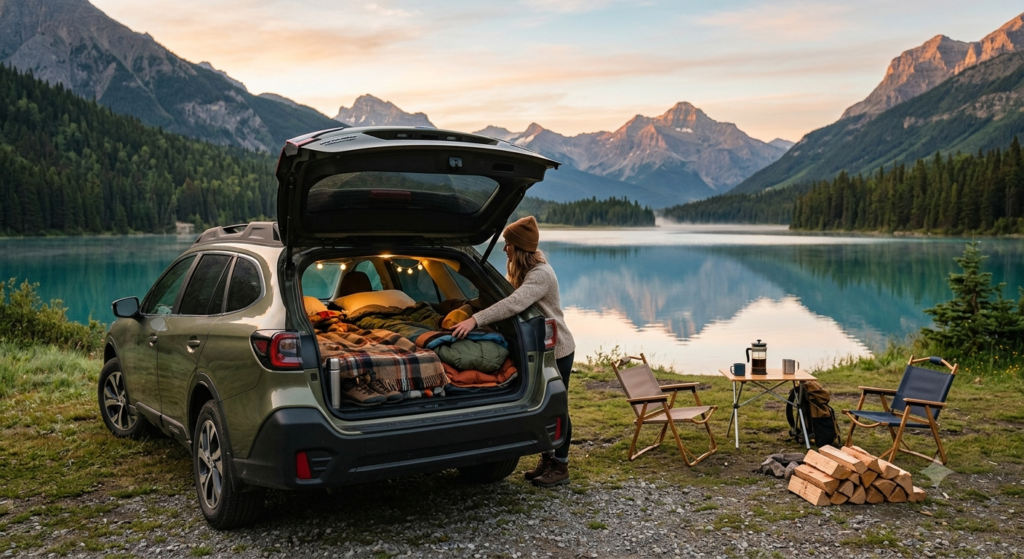
If you’re dreaming of your next getaway but watching your wallet, it’s time to rethink your accommodation. While the convenience of a hotel is tempting, it often becomes the single biggest expense of any trip. By switching to car camping, you can transform your travel budget, gain incredible flexibility, and wake up to views that no hotel room can match.
Why Car Camping Beats Hotel Stays
The math is simple: when you combine your transportation and accommodation into one, you eliminate the overhead costs of nightly hotel rates. Beyond the nightly savings, car camping allows you to:
- Ditch the Dining Costs: With a simple camp stove or cooler, you can prepare your own meals instead of relying on expensive restaurants for every bite.
- Embrace Flexibility: No more rigid check-in times or non-refundable bookings. If you fall in love with a location, you can stay an extra night without calling the front desk.
- Access Remote Gems: Hotels are tethered to infrastructure, but your car can take you to scenic overlooks, hidden beaches, and quiet forests that remain inaccessible to traditional travelers.
Smart Tips for Maximum Savings
To ensure your trip stays as cheap as possible, follow these tried-and-true strategies:
- Seek Out Free Camping: Utilize apps like iOverlander to find free dispersed camping on public lands, saving you from paying $10–$60 per night at developed campgrounds.
- Invest in Multi-Use Gear: Avoid buying specialized, expensive equipment. Pack versatile items that serve multiple purposes to keep your setup compact and cost-effective.
- Group Travel: Traveling with friends or family isn’t just fun—it’s smart. Splitting fuel, food, and site fees makes the total cost per person significantly lower.
- Meal Prep Like a Pro: Chop vegetables, marinate meats, and portion dry ingredients at home. This prevents the “impulse buy” at overpriced roadside convenience stores.
- Leverage Annual Passes: If your route hits multiple national or state parks, an annual pass will pay for itself in just a few visits.
Frequently Asked Questions
1. Is car camping safe?
Yes, when you follow common-sense safety precautions, such as parking in authorized areas, keeping your keys accessible, and researching your route beforehand.
2. How do I find places to sleep for free?
Use apps like iOverlander or research public land websites (such as National Forests or BLM land) to find legal, free dispersed camping options.
3. What is the most important piece of gear for a beginner?
A reliable sleep system is non-negotiable. A high-quality sleeping pad provides essential insulation from the cold ground, which is just as important as the sleeping bag itself.
4. How do I handle showering while on the road?
Many car campers use body wipes for quick cleanups, visit public pools, gyms, or use campground shower facilities when available.
5. Should I book campgrounds in advance?
For popular state or national park campgrounds, booking weeks or even months ahead is highly recommended. For more remote or dispersed spots, reservations are often not required.
6. Can I cook my own meals easily?
Absolutely. A simple two-burner propane stove is perfect for preparing everything from coffee to full dinners.
7. How do I organize my gear?
Use clear, labeled storage bins for different categories (kitchen, sleep, clothes, safety). This prevents your car from becoming a chaotic “scavenger hunt”.
8. What if the weather turns bad?
Your car is your primary shelter. Always pack a rain jacket, check the 10-day forecast, and have a plan for where to park safely if a storm hits.
9. Do I need to be a skilled mechanic?
No, but you should perform basic checks before you leave: check tire pressure, oil levels, and ensure your battery is healthy.
10. Why is car camping better than a hotel for road trips?
It removes the stress of checking in and out, allows for spontaneous schedule changes, and keeps you immersed in nature throughout your entire journey.