Traveling by local bus in the Philippines is one of the most affordable and authentic ways to explore the country. From scenic provincial highways to bustling city terminals, buses connect major islands and remote destinations alike. However, the experience can be very different from what many travelers are used to. Here are seven essential things you should know before hopping on a local bus in the Philippines.
1. There Are Different Types of Buses

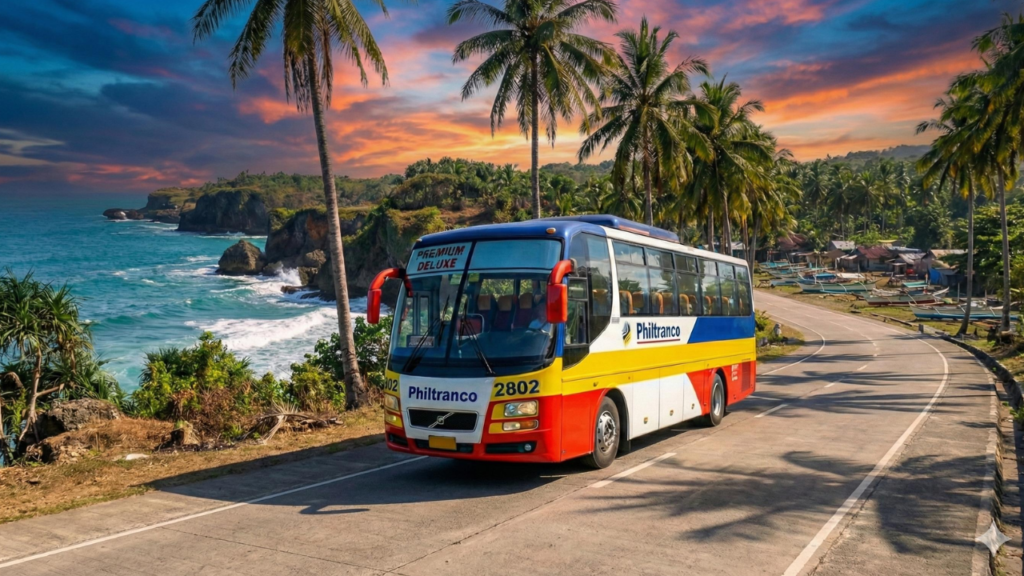
Not all buses in the Philippines are the same. You’ll find air-conditioned buses, ordinary non-aircon buses, and even premium or luxury coaches with reclining seats. Air-conditioned buses are more comfortable but slightly more expensive, while ordinary buses are cheaper and often make more stops.
2. Routes and Schedules Can Be Flexible
Unlike strict transport systems in other countries, bus schedules in the Philippines can sometimes be flexible. Some buses leave only when they are full, especially in provincial areas. It’s best to arrive early and allow extra time in your travel plans.
3. Payment Is Usually Made Onboard

In many cases, you don’t need to buy a ticket in advance. A conductor will approach you during the ride to collect your fare and give you a ticket. Make sure to keep it until the end of your journey, as it may be checked.
4. Expect Frequent Stops

Local buses often stop frequently to pick up and drop off passengers, even along highways. While this can extend travel time, it’s a normal part of the commuting culture and gives you a closer look at daily life.
5. Travel Time Can Be Unpredictable
Traffic conditions, road quality, and weather can all affect travel time. A journey that looks short on the map may take longer than expected, especially in busy cities or during peak hours.
6. Bring Essentials for Comfort

It’s a good idea to bring snacks, water, and personal essentials, especially for long trips. Some buses may not have restrooms, and stops can be limited depending on the route.
7. Keep Your Belongings Secure

While bus travel is generally safe, it’s always wise to stay alert. Keep your valuables close, especially in crowded terminals or during overnight trips.
Final Thoughts
Taking a local bus in the Philippines is more than just transportation—it’s part of the travel experience. It offers a glimpse into local life, scenic landscapes, and the warmth of Filipino culture. By understanding these practical tips, you’ll be better prepared to navigate the journey comfortably and confidently.
Whether you’re heading to a tropical island, a mountain province, or a vibrant city, the local bus can take you there—affordably and memorably.