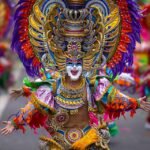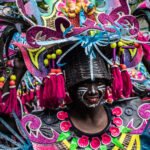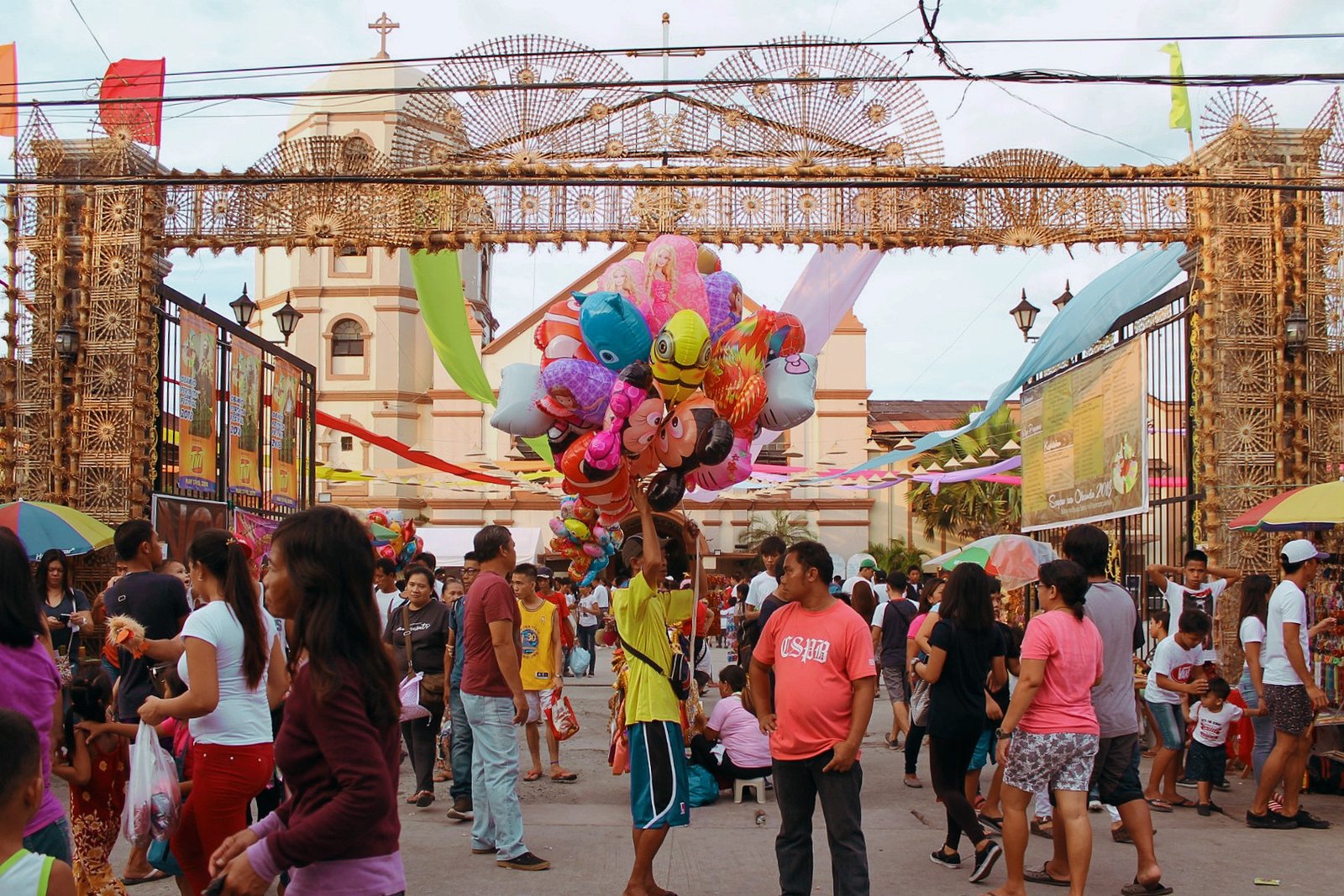


The Obando Fertility Rites are unlike any other festival in the Philippines. While other provinces celebrate with massive street parties and electronic bass drums, Obando, Bulacan, transforms into a place of deep, vulnerable, and rhythmic devotion. For three days in May, thousands of childless couples, single hopefuls, and curious travelers gather to perform the fandango (a traditional courtship dance) down the streets and straight into the church aisles.
If you are planning to visit this year—whether to petition for a child, find a life partner, or witness a living pre-colonial tradition—this insider guide will walk you through the exact rituals, dates, and logistical steps you need to know.
📅 The Triduum Calendar: Which Day Should You Dance?
The festival runs for three consecutive days from May 17 to May 19. Each day is dedicated to a specific patron saint, and choosing the wrong day means missing the exact ritual meant for your specific prayer.
| Date | Patron Saint | Primary Intention / Petition |
| May 17 | San Pascual Baylon | For couples petitioning to conceive a male child, or singles looking for a husband. |
| May 18 | Santa Clara de Asis | For couples petitioning to conceive a female child, or individuals praying for good weather and a clear mind. |
| May 19 | Nuestra Señora de Salambao | For fishermen, farmers, and laborers seeking a bountiful harvest or financial breakthrough. |
💃 The Anatomy of the Dance: How to Perform the Fandango
The dance is not a chaotic street party; it is a moving prayer. When you arrive at the San Pascual Baylon Parish (Obando Church), the procession will move slowly. Here is how to participate respectfully:
- The Rhythmic Step: Sway your hips from side to side in a gentle, rolling motion while moving forward three steps and backward one step.
- Hand Gestures: Unlike modern festival dances, men traditionally dance with their hands loosely placed behind their backs or gently guiding their partners. Women wave their hands at chest level, keeping their palms open to symbolize receiving a blessing from heaven.
- The Song: Devotees dance to the hypnotic, repetitive melody of the brass band playing the Santa Clara Pinung-Pino song. The lyrics praise St. Clare and ask for her intercession.
- The Altar Finale: The dance doesn’t stop at the church doors. You will dance all the way down the main aisle, moving right up to the altar rails to face the images of the saints.
🥚 The Ritual of the Eggs: Why and How to Offer Them
One of the most unique sights at the festival is the mountains of eggs wrapped in colorful plastic ribbons at the altar of St. Clare.
Why Eggs? The tradition stems from the name of St. Clare (Clara means clear). Historically, people offered eggs to pray for clear, sunny weather (as egg whites were used as mortar for building stone churches, leaving the yolks for delicacies). Over time, the egg—a universal symbol of life and fertility—became the literal offering for couples trying to conceive.
The Ribbon Color Guide:
Before purchasing your eggs from the vendors lining the church courtyard, ensure you select the ribbon color that matches your heart’s intent:
- 🔴 Red Ribbon: Praying for a baby boy.
- ⚪ White Ribbon: Praying for a baby girl.
- 🟡 Yellow Ribbon: Praying for a good harvest, financial breakthrough, or a life partner.
- 🟢 Green Ribbon: Praying for healing or good health.
🚗 Traveler’s Logistics & Survival Guide
How to Commute from Manila (via Jeepney)
- Take the LRT-1 to Monumento Station.
- Exit the station and walk toward the jeepney terminal near the Monumento Circle or hypermarket.
- Look for a jeepney bound for Malanday (Valenzuela) or directly to Obando.
- If you take the Malanday jeep, alight at the Malanday terminal and transfer to a local jeepney heading straight to Obando Church. Expect heavy traffic and narrow streets during the three-day festival.
Parking Tips
If you are driving, do not attempt to drive directly to the church plaza. The surrounding streets are completely closed to vehicles for the procession. Look for designated public parking spaces near the Obando Municipal Hall or arrive before 6:00 AM to secure private parking slots offered by residents along the entry avenues.
❓ Frequently Asked Questions (FAQ)
Can single people dance in Obando to find a husband or wife?
Yes. While famous for fertility, the first day (San Pascual Baylon) is deeply rooted in helping singles find their match. Local folklore says that dancing the fandango with an open heart helps guide you toward your future spouse.
Can non-Catholics or tourists join the fandango procession inside the church?
Absolutely. The parish and the local community welcome everyone. Tourists and cultural researchers are free to join the street procession and dance inside the church aisles. The only requirement is to maintain a respectful demeanor, as this is a solemn religious pilgrimage for many participants.
Can I bring my own eggs to offer at the altar of St. Clare?
Yes, you can bring your own eggs. However, most pilgrims prefer to buy them from the local vendors right outside the church gates. Buying them locally supports the community, and the vendors will pre-wrap them in the correct color-coded ribbons for your specific prayer.
Who are the paid costumed dancers that dance on behalf of couples?
If a couple is physically unable to attend, elderly, or too shy to dance down the aisle, they can ask the local elderly women of Obando (often called Hermana or local cultural dancers) to dance on their behalf. These women keep the ancient steps alive and will carry the couple’s written petitions and egg offerings up to the altar.
Why do men dance with their hands behind their back in Obando?
This specific posture is a direct cultural remnant of the pre-colonial Kasilonawan ritual. It signifies humility, submission to the divine, and a deliberate absence of aggression or pursuit—transforming the dance from a physical chase into a spiritual plea.
Klook.com