Tag: Filipino Hospitality

  • 11 Things Tourists Do That Drive Locals Crazy in the Philippines

    11 Things Tourists Do That Drive Locals Crazy in the Philippines

    The Philippines is world-renowned for its “Filipino Hospitality,” but even the most patient locals have their limits. As we move through the 2026 travel season, the influx of visitors to spots like Manila, Cebu, and Iloilo brings a few recurring habits that can turn a warm welcome into a frustrated sigh.

    If you want to be the kind of traveler who gets invited to the fiesta rather than whispered about behind your back, avoid these 11 common faux pas.


    1. Public Displays of Anger

    Filipinos value the concept of “Hiya” (shame/propriety) and “Pakikisama” (maintaining social harmony). Shouting at a service worker or making a scene in a mall is considered extremely rude. If a mistake happens, stay calm and polite; you’ll get much better results with a smile than a scream.

    2. Aggressive Haggling

    While bargaining is part of the culture at local tiangges (markets), there’s a limit. If you’re arguing over 5 or 10 pesos, remember that for the vendor, that’s their livelihood. Haggle fairly, but don’t be a penny-pincher.

    3. Touching People’s Heads

    In many parts of the Philippines, the head is considered a sacred or sensitive part of the body. Even if you think a local child is cute, reaching out to pat their head can be seen as highly disrespectful or invasive. Stick to a friendly wave or a “fist bump.”

    4. Disregarding “Filipino Time”

    While we strive for professionalism, the local culture has a more relaxed approach to time. Getting visibly agitated because a ferry is 15 minutes late or a friend arrives a little past the hour is a quick way to stress everyone out. Pack a book and embrace the “slow travel” pace.

    5. Pointing with Your Finger

    Pointing directly at someone or something with your index finger is often perceived as accusatory or rude. If you notice locals using their eyes or a slight tilt of the chin to indicate a direction—now you know why!

    6. Wearing Revealing Clothes in Churches

    The Philippines is a deeply religious country. While bikinis are fine for the beaches of Boracay or Palawan, walking into a historic church in Ermita wearing a sando (undershirt) or short-shorts is considered offensive. Always carry a light shawl or sarong to cover up.

    7. Refusing Offered Food

    Food is the universal language of love in the Philippines. If a local offers you a snack, refusing it outright can be seen as a rejection of their hospitality. Even a small “try” goes a long way. If you really can’t eat it, decline with an apologetic smile and a polite explanation.

    8. Littering in Paradise

    Whether it’s the streets of Manila or the white sands of Iloilo, littering is the #1 way to anger a local community. With 2026 environmental initiatives in full swing, locals are more protective of their natural resources than ever. Always carry your trash out with you.

    9. Ignoring “Po” and “Opo”

    You aren’t expected to be fluent in Tagalog, but completely ignoring basic respect markers when speaking to elders or service staff can make you seem arrogant. Adding a simple “Salamat po” (Thank you) shows you respect the local hierarchy.

    10. Assuming Everyone is a Tour Guide

    Just because a local is friendly doesn’t mean they are there to give you a free history lesson or directions for an hour. Respect people’s personal time and space, especially in busy metropolitan areas.

    11. Complaining About the Heat

    Yes, it’s humid. Yes, it’s hot. We know! Complaining about the tropical climate constantly is like visiting the desert and complaining about the sand. Stay hydrated, wear breathable linen, and enjoy the sun.


    Key Keywords for Your Trip:

    • Manila Travel Itinerary 2026: Plan your route through the capital with cultural sensitivity in mind.
    • Filipino Hospitality: Experience it best by giving respect back to your hosts.
    • Ermita Accommodations: Stay in the heart of the city and practice your local etiquette at nearby landmarks.

    Pro Tip: When in doubt, a smile and a “Salamat” (Thank you) will fix almost any cultural misunderstanding!


  • Rechel’s Abode, Cebu, Philippines

    Rechel’s Abode, Cebu, Philippines

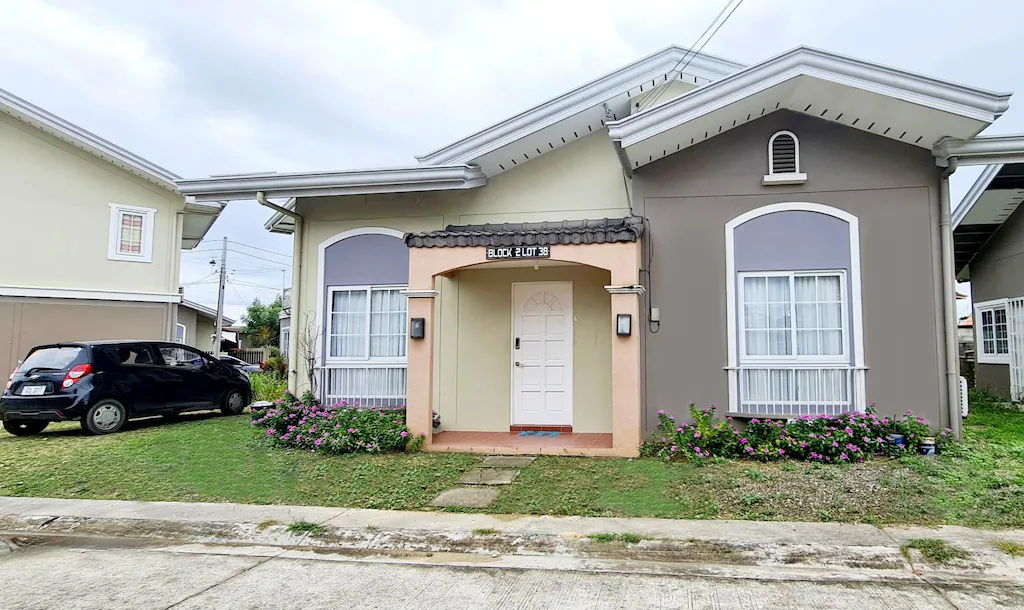
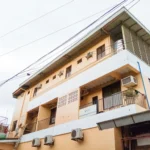
    Rechels Abode in Cebu offers a serene escape for travelers seeking a balance between authentic local living and comfortable relaxation. Whether you are a solo backpacker, a digital nomad, or a couple on a quiet retreat, this property serves as a cozy home base to explore the Queen City of the South.

    Inspiring Story

    Rechels Abode was born from a simple desire to provide travelers with more than just a bed—it was built to offer a genuine sense of belonging in the heart of a bustling city. The owner envisioned a space where the warmth of Filipino hospitality meets the quiet comfort of a modern home, ensuring that every guest who walks through the door feels like they are visiting a friend rather than checking into a hotel.

    Holiday Getaways

    This property is best for those who prioritize comfort and local immersion over large, impersonal chain resorts. It is ideal for:

    • Solo adventurers looking for a safe, welcoming environment.
    • Couples seeking a peaceful, private sanctuary after a day of city exploration.
    • Budget-conscious travelers who refuse to compromise on quality and cleanliness.

    In Depth Spotlights

    When considering value, Rechels Abode is a standout compared to nearby luxury hotels. While high-end resorts may charge premium prices for flashy amenities, Rechels Abode focuses on the essentials—excellent service, a peaceful atmosphere, and a strategic location—at a fraction of the cost.

    Pros:

    • Personalized service and a warm, inviting atmosphere.
    • Clean and well-maintained living spaces.
    • Proximity to major city transit routes and local hotspots.

    Cons:

    • Limited capacity due to its boutique nature.
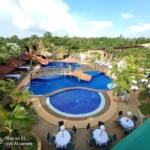
    • Fewer resort-style amenities like massive pools or fitness centers compared to larger hotels.

    Customer Reviews

    Overall Rating: 8.5/10

    • Service: 8.8/10
    • Facilities: 8.2/10
    • Value for money: 9.0/10
    • Cleanliness: 8.5/10
    • Location: 8.0/10

    Decision Making

    If your goal is to experience Cebu like a local without the heavy price tag of tourist-trap hotels, this is your solution. It eliminates the need for expensive taxi rides by keeping you centrally located, and the homey environment ensures you are never just a room number.

    Travel Guide Tips

    • Safety & Scams: Always use ride-hailing apps like Grab to avoid taxi overcharging. Stay vigilant in crowded areas to avoid pickpockets.
    • Packing: Bring lightweight, breathable clothing, comfortable walking shoes, a universal adapter, and a small first-aid kit.
    • Transportation: Grab is the most reliable way to get around. For short distances, try the local jeepney for an authentic experience, but keep an eye on your belongings.

    Itinerary

    • Day 1: Explore Cebu Citys historic sites including Magellan Cross and Basilica Minore del Santo Niño.
    • Day 2: Take a day trip to the Mactan shrines or book a snorkeling tour to enjoy the crystal-clear waters.
    • Day 3: Indulge in local food at the night markets and do some souvenir shopping at Taboan Public Market.

    Local Food and Attractions

    Must-try local food includes Lechon Cebu (roasted pig), Puso (hanging rice), and fresh sea urchin. Top attractions include the Taoist Temple, Sirao Flower Garden, and the stunning Tops Lookout for panoramic city views.

    Events and Festivals

    • Sinulog Festival (January): The biggest celebration in honor of the Santo Niño.
    • Kadaugan sa Mactan (April): A re-enactment of the historic Battle of Mactan.
    • Local Fiestas: Various barangays host unique celebrations year-round; check local community calendars upon arrival.

    Things to Know and Trivia

    The Philippines is the only predominantly Catholic nation in Asia. Cebu is often called the Queen City of the South and is the oldest city in the Philippines. Always carry small change for local purchases.

    Frequently Ask Questions

    1. Is there 24-hour reception? Yes, guests are well-supported.
    2. Is the Wi-Fi reliable for remote work? Yes, high-speed internet is a priority.
    3. Are there nearby laundry services? Yes, affordable local shops are just a walk away.
    4. How far is the airport? It is a short 15 to 20 minute drive depending on traffic.
    5. Is the area safe at night? Yes, but standard urban precautions are advised.
    6. Can the property arrange tours? Yes, the staff can help coordinate local excursions.
    7. Is there a kitchen available? Yes, kitchen facilities are accessible for guest use.
    8. What is the check-in time? Check-in usually begins at 2:00 PM.
    9. Is parking available? Yes, secure parking is provided for guests.
    10. Is the water safe to drink? It is recommended to use bottled or filtered water.