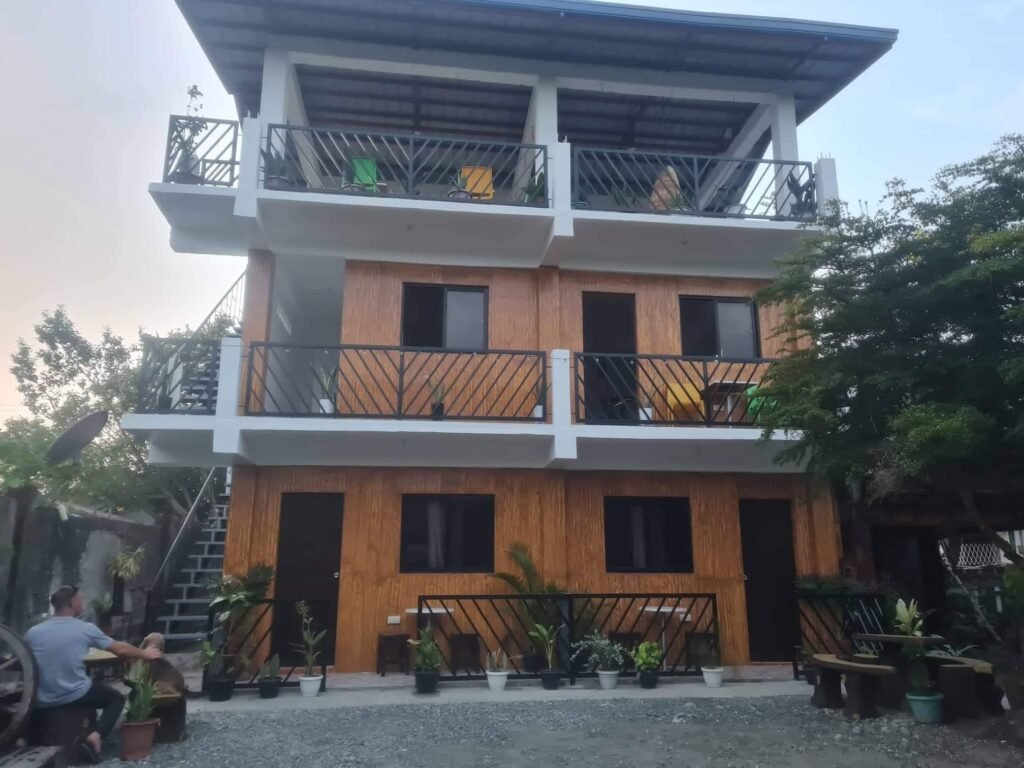
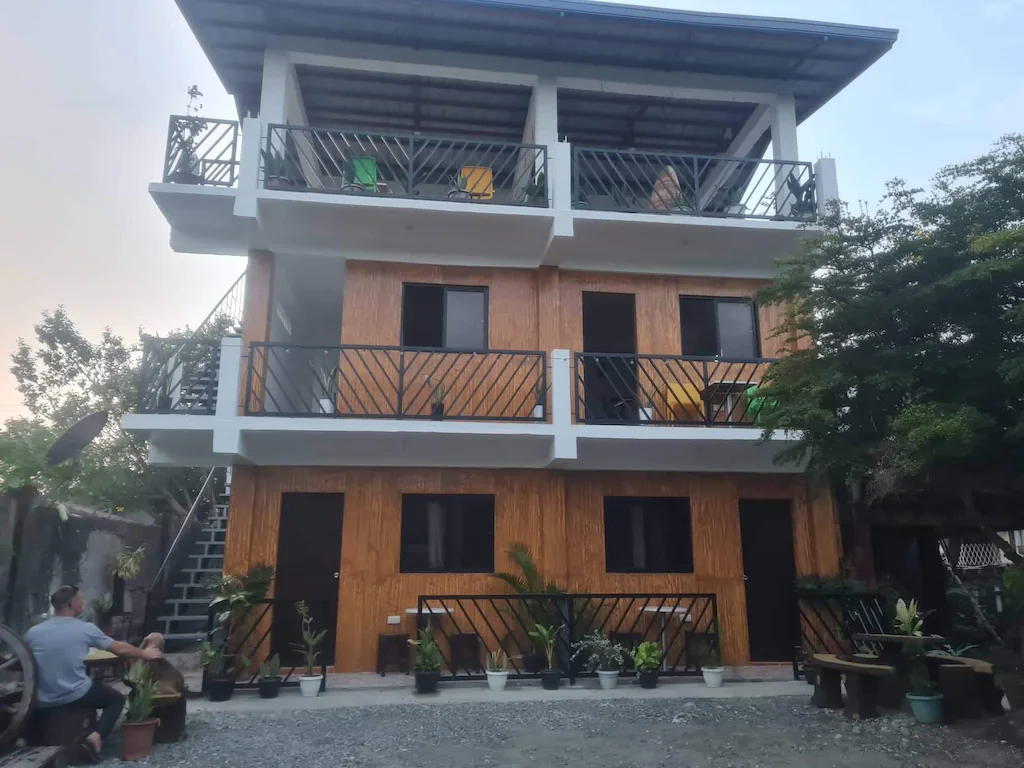
At Traditional Filipino Home near 100 Islands Wharf, exceptional service and top-notch amenities create a memorable experience for guests. Complimentary internet access is available in the hotel to ensure you stay connected during your visit. Complimentary parking is available for guests. Continuously receive the support you require through front desk amenities such as express check-in or check-out.At the hotel, utilize the convenient laundry service to maintain your preferred travel attire fresh, allowing you to pack lighter.Desire to unwind? Make the most of your visit at Traditional Filipino Home near 100 Islands Wharf with accessible amenities such as daily housekeeping.For the health and well-being of all guests and staff, smoking is restricted exclusively to assigned zones. Accommodations come equipped with all the conveniences required for a restful night’s slumber.A selection of rooms feature linen service, blackout curtains and air conditioning to ensure your comfort and convenience. A few accommodations at Traditional Filipino Home near 100 Islands Wharf also include unique design elements like a balcony or terrace.A few chosen rooms are equipped with television and cable TV to ensure guest amusement.In certain chosen rooms, a refrigerator is conveniently available for your use. At Traditional Filipino Home near 100 Islands Wharf, select bathrooms are equipped with toiletries to enhance your comfort during your stay. Are you a fan of preparing your own dishes? You’ll certainly appreciate the onsite BBQ facilities and shared kitchen for your culinary needs.
Tag: Traditional Filipino Home near 100 Islands Wharf

Traditional Filipino Home near 100 Islands Wharf, Alaminos City, Philippines
Exploring Traditional Filipino Homes Near 100 Islands Wharf, Alaminos City, Philippines
An Introduction to Alaminos City and the 100 Islands
Alaminos City, situated in the Pangasinan province of the Philippines, is renowned for its stunning natural landscapes and significant cultural heritage. This vibrant city is known as the gateway to the 100 Islands National Park, an extraordinary archipelago that comprises 124 islands and islets during low tide and 123 during high tide. This unique geographical feature has established Alaminos City as a prominent destination for both local and international tourists seeking adventure and relaxation in a picturesque setting.

Traditional Filipino Home near 100 Islands Wharf, Alaminos City, Philippines The 100 Islands National Park boasts a rich biodiversity, with various species of flora and fauna that contribute to its ecological significance. Visitors are drawn to its breathtaking scenery, pristine beaches, and crystal-clear waters, making it an ideal spot for activities such as kayaking, snorkeling, and island-hopping. Tourists often marvel at the diverse marine ecosystems that thrive within the park, providing invaluable opportunities for exploration and appreciation of nature.
In addition to its natural beauty, Alaminos City is deeply rooted in local culture and history. The city celebrates its heritage through numerous festivals, murals, and other forms of artistic expression that highlight the traditions of the Pangasinan people. As visitors immerse themselves in local customs and cuisine, they discover the authentic Filipino experience that adds depth to their travel narratives.
Moreover, the area around 100 Islands is dotted with traditional Filipino homes, which reflect the architectural style and cultural influences of the region. These residences not only provide insight into the lifestyle of the local community but also enhance the overall charm of Alaminos City. Therefore, as travelers explore the picturesque landscapes of the 100 Islands, taking time to appreciate the nearby traditional homes is equally vital in understanding the vibrant cultural tapestry of this remarkable destination.
Understanding Traditional Filipino Architecture
Traditional Filipino architecture is exemplified by the Bahay Kubo, a vernacular house that showcases the unique characteristics of Filipino cultural identity. Constructed predominantly from indigenous materials, such as bamboo, nipa palm, and other local resources, these homes are designed to harmoniously blend with the tropical landscapes of the Philippines. The use of bamboo not only provides structural integrity but also reflects the resourceful nature of Filipino craftsmanship.

Traditional Filipino Home near 100 Islands Wharf, Alaminos City, Philippines The architecture of the Bahay Kubo is marked by its elevated structure, commonly built on stilts, which serves multiple purposes. This design protects occupants from flooding, promotes air circulation, and offers a cooler environment beneficial in the hot climate. The open spaces and airy interiors are intentional, allowing for natural ventilation that minimizes reliance on artificial cooling systems. Moreover, large windows and wide openings are common, enabling families to connect with nature while facilitating the highlight of community life—a cornerstone of Filipino culture.
Historically, Filipino architecture has evolved through various influences, including indigenous practices and colonial interventions. Prior to Spanish colonization, indigenous tribes developed their unique styles that emphasized vernacular building practices. The arrival of the Spanish introduced new architectural elements, such as the introduction of tile roofs and stone materials, which gradually influenced the design of traditional homes. As a result, the architectural landscape of Alaminos City reflects this convergence of cultural influences, presenting a rich tapestry of heritage.
Understanding traditional Filipino homes offers insight into the lifestyle and values of its people. The Bahay Kubo is not merely a dwelling; it embodies resilience, adaptability, and an inherent respect for the surrounding environment. This understanding reinforces the significance of these structures in the cultural narrative of the Philippines, particularly around the picturesque area of the 100 Islands Wharf in Alaminos City.
Living Heritage: Traditional Homes Near 100 Islands Wharf
The traditional homes located near the 100 Islands Wharf in Alaminos City, Philippines, are vibrant embodiments of the country’s rich cultural heritage. These residences not only serve as shelters for families but also as custodians of history. Many of the local residents, who have called these homes their own for generations, share deep sentiments tied to the structures, often narrating stories that connect their present to their ancestral legacy.

Traditional Filipino Home near 100 Islands Wharf, Alaminos City, Philippines The architecture of these homes is particularly fascinating, showcasing a blend of native materials and influences from various colonial periods. Typically, these houses feature high ceilings, large windows, and decorative wooden elements that highlight craftsmanship passed down through the years. Unique design features often include the use of capiz shell window panes, which allow natural light to permeate while maintaining a cooling effect inside. Some homes also boast well-kept gardens that serve both aesthetic and practical purposes, illustrating the self-sufficient lifestyle that many families uphold.
Residents maintain their heritage through various practices; for instance, family traditions are frequently celebrated within these homes. Colorful festivals, religious observances, and communal gatherings often take place, reinforcing the significance of the home as a central point of family life. These celebrations punctuate the year, preserving and passing down tales of ancestry, faith, and culture. Local traditions, such as the preparation of traditional Filipino dishes, are also fostered in these kitchens, creating a bridge between past and present culinary practices.
The importance of these traditional homes transcends mere physical structures; they are integral to the community’s identity. As custodians of Filipino heritage, they offer a glimpse into the past while adapting to the needs of modern living. Many families decorate their walls with heirlooms and artifacts that tell stories of resilience and cultural pride. Thus, these homes stand not only as dwellings but as testaments to a living heritage that continues to thrive in Alaminos City.
Visiting Traditional Homes: Cultural Tourism and Community Impact
Cultural tourism plays a pivotal role in the preservation and appreciation of traditional homes near 100 Islands Wharf in Alaminos City, Philippines. By inviting visitors to engage with the rich heritage embedded in these structures, local communities can showcase their unique architectural styles and cultural narratives. Guided tours allow tourists to not only observe but also understand the historical significance and craftsmanship of these traditional homes, creating a deeper appreciation for Filipino culture. Through storytelling and immersive experiences, visitors gain insights into the lifestyle, customs, and values of local residents.

Traditional Filipino Home near 100 Islands Wharf, Alaminos City, Philippines Workshops and home-stays further enhance this engagement, providing tourists with the opportunity to participate in local arts, crafts, and culinary traditions. These hands-on experiences foster a mutual respect between tourists and residents, encouraging meaningful interactions and cultural exchange. Such initiatives can contribute positively to the local economy, generating income for families and supporting the maintenance of traditional homes. However, it is essential to approach cultural tourism thoughtfully to mitigate potential drawbacks, such as commercialization and the risk of diluting authentic experiences.
Promoting traditional architecture for tourism can come with challenges, including the need to balance preservation with the pressures of increased foot traffic. Local communities must adopt sustainable tourism practices that honor the integrity of these homes. Engaging with conservation specialists and involving local stakeholders in tourism planning can help ensure that the tradition of Filipino architecture is protected while still providing visitors with enjoyable experiences. Sustainable practices encourage responsible tourism that prioritizes cultural integrity over profit, safeguarding the authenticity of traditional homes for future generations.
In conclusion, cultural tourism has the potential to enrich the experience of visiting traditional homes near 100 Islands Wharf. By emphasizing respect for local culture and sustainable practices, communities can benefit economically while preserving their heritage for years to come.