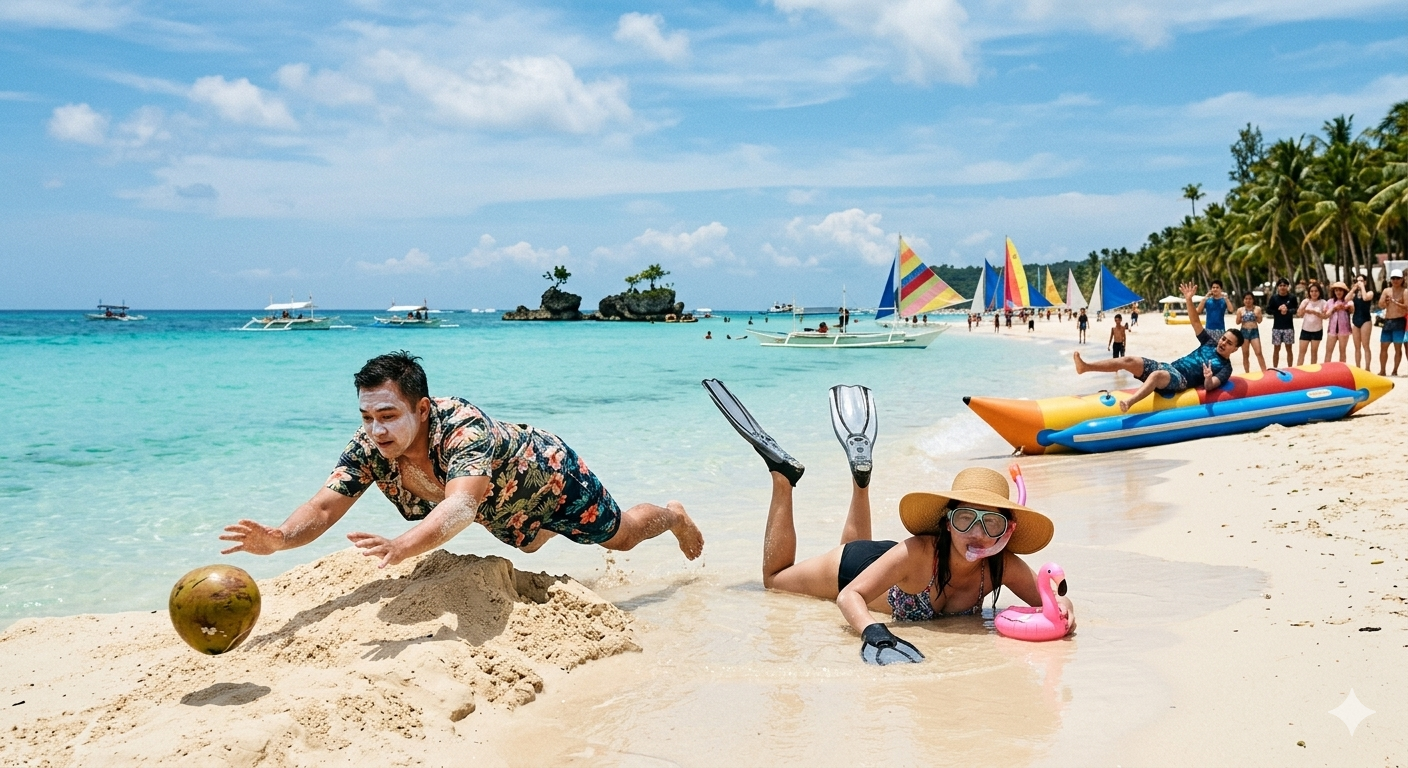
Imagine sinking your toes into sand so fine it feels like powdered sugar, while the turquoise water laps gently against your ankles as the sky turns a fiery shade of violet at sunset. You have heard the stories—the wild parties, the temporary closure that saved the soul of the island, and the current resurgence as a world-class eco-haven. But how do you navigate this reborn paradise so you do not waste a single second of your precious vacation time?
History: Then and Now
In the 1970s, Boracay was a rugged, hidden backpacker secret with no electricity. By the 2000s, it became a global tourism powerhouse, nearly losing its charm to overdevelopment. In 2018, the government closed the island for six months to rehabilitate the ecosystem. Today, Boracay is cleaner, greener, and more refined. The party is still there if you want it, but the island’s natural beauty is now the star of the show.
The Traveler’s Decision: Finding Your Vibe
Boracay is divided into three stations, and your choice determines your entire trip:
- Station 1: The premium, quiet side with the widest beaches. Best for luxury and romance.
- Station 2: The heart of the action. Best for foodies, shoppers, and those who want to be in the middle of everything.
- Station 3: The laid-back, rustic side. Best for budget travelers and those seeking peace.
Travel Guide & Tips
- Best Time to Go: November to April (Dry season).
- Getting There: Fly into Caticlan (MPH), which is a 15-minute boat ride from the island. Avoid Kalibo if you can, as it requires a 2-hour land transfer.
- The “Green” Rule: Strictly follow the no-smoking and no-littering rules on the beach to avoid heavy fines.
Nearby Attractions & Island Hopping
Do not miss Puka Shell Beach for a wilder, less crowded vibe. Crystal Cove Island offers unique rock formations and snorkeling, while Tambisaan Beach is perfect for escaping the main crowd to see sea turtles.
Recommended Hotel
The Lind Boracay (Station 1) Best for: Couples and families looking for high-end luxury, incredible service, and the best sunset view on the island. Pros: Private beach area, stunning infinity pools, top-tier service. Cons: High price tag; far from the budget-friendly nightlife. Pricing: Premium. Compared to budget hostels in Station 3, you are paying for space and silence, but you get what you pay for in comfort.
The Itinerary (3 Days)
- Day 1: Arrive, settle into your station, and enjoy sunset cocktails on White Beach.
- Day 2: Island hopping tour including Puka Beach and snorkeling. Afternoon at D’Mall for shopping and local eats.
- Day 3: Morning paddleboarding or parasailing. Sunset paraw sailing before your final beachfront dinner.
FOMO Factor
If you don’t book your paraw sailing during the golden hour, you are missing the absolute quintessential Boracay experience. The orange sails against the neon water are the stuff of legend.
Things to Know & Trivia
- The sand is made of crushed coral, which stays cool even in the heat.
- Boracay was once home to the Ati people, the original indigenous inhabitants.
Festival Alert
The Ati-Atihan Festival in nearby Kalibo (usually in January) is the wildest, most vibrant street party in the Philippines. If you are in the region, make the day trip.
5 Frequently Asked Questions
- Is Boracay still a party island? Yes, but it is much more regulated now.
- Can I drink alcohol on the beach? Currently, alcohol is restricted on the main White Beach; stick to restaurant bars.
- How do I get around? Electric tricycles are the primary mode of transport.
- Is it expensive? There are options for all budgets, from 500-peso hostels to luxury resorts.
- Do I need a permit to enter? You just need a confirmed hotel booking to process your entry at the port.
Social Proof
“Boracay is literally the only place where the photos don’t do the beauty justice. It’s cleaner than it was a decade ago.” – Global Traveler Reviews.