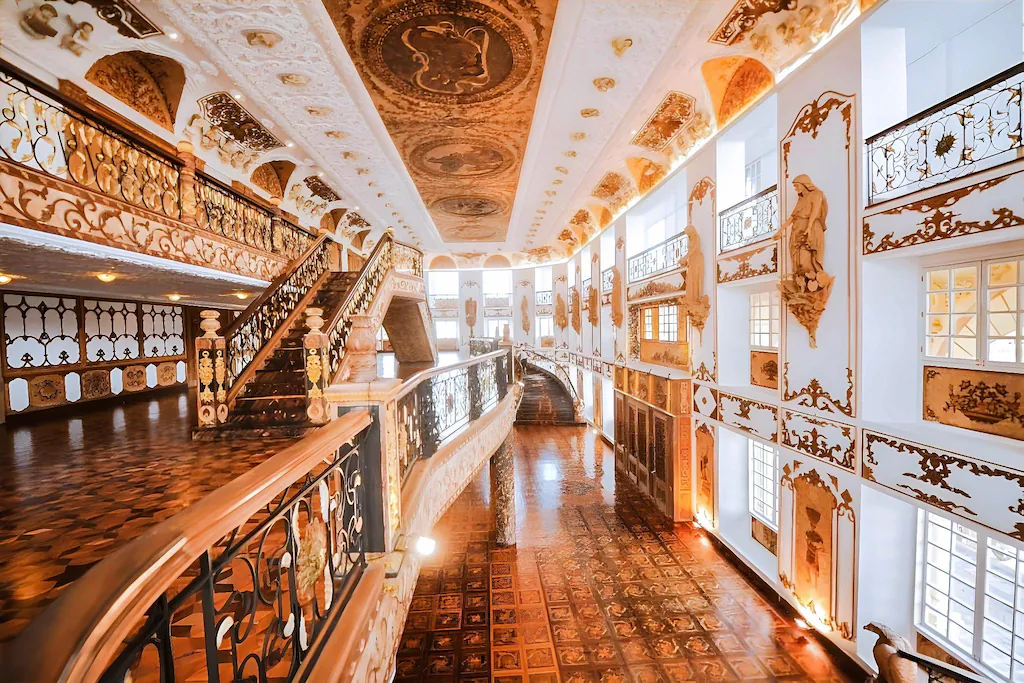

Living History, Timeless Elegance at Las Casas Filipinas de Acuzar, Bataan
Step through the grand gates of Las Casas Filipinas de Acuzar in Bagac, Bataan, and you are instantly transported across centuries. Sprawled across 400 hectares along the coast, this open-air museum and heritage resort is more than just a destination—it is a breathing, grand archive of Filipino craftsmanship, historical triumphs, and architectural romance.
I. HOTEL HISTORY AND HERITAGE
From Then to Now
The vision of art collector and businessman Jose “Jerry” Acuzar, Las Casas Filipinas de Acuzar opened its doors to the world in 2010. What began as a personal passion project to save endangered historical houses from structural decay, commercial demolition, and neglect quickly blossomed into a world-renowned heritage sanctuary. Each structure within the resort has been meticulously salvaged from various parts of the Philippines, dismantled brick by brick, transported to Bataan, and reconstructed to look exactly as it did during its golden era—primarily spanning the 18th to the early 20th centuries.
Architecture & Design Secrets
The layout of Las Casas mirrors an elite colonial pueblo (town). The homes represent a masterful blend of native Filipino style, Spanish baroque elements, and Chinese merchant practicalities. Look closely at the ground floors: they feature heavy stone blocks (calicanto) designed to withstand earthquakes, while the upper floors boast lightweight wooden structures made of premium Philippine hardwoods like narra, yakal, and ipil. The prominent capiz shell windows are not merely decorative; they were engineered to diffuse intense tropical sunlight while allowing refreshing sea breezes to circulate freely throughout the rooms.
If These Walls Could Talk
Every home has a heartbeat, and many have witnessed defining moments in national history. Consider Casa Biñan, a faithful replica of the house where the mother of national hero Dr. José Rizal, Teodora Alonso, grew up. Its walls whisper tales of the strict elite social structures and political unrest of the late Spanish era. Then there is Casa Quiapo (originally the Rafael Enriquez Mansion), built in 1867. Before finding its home in Bataan, it served as the original campus of the University of the Philippines Fine Arts school, nurturing the minds of master painters like Juan Luna and Guillermo Tolentino.
Repurposed Spaces
At Las Casas, adaptive reuse is an art form. Antique granaries (kamaligs) have been seamlessly converted into cozy, rustic guest rooms. Meanwhile, the grandest ancestral houses function as high-end luxury suites, fine-dining restaurants serving authentic heirloom recipes, and majestic venues for galas and international summits.
II. FUN FACTS AND TRIVIA
The “Did You Know?” Series
- The On-Site Brick Factory: To ensure historical authenticity during restorations, Las Casas established its own brick-making facility on-site. Local artisans mix, mold, and bake traditional terracotta bricks by hand using old-world methods.
- Artisanal Revival: The resort employs hundreds of local woodcarvers, mosaic artists, and sculptors from Bataan and neighboring provinces, single-handedly reviving near-forgotten colonial art techniques.
Behind the Logbook: Bizarre Lost & Founds and Marathon Stays
Operating a property steeped in history brings unforgettable guest experiences. The concierge desk frequently records peculiar lost-and-found entries—ranging from forgotten vintage-style pocket watches and customized traditional barongs to an entire collection of hand-painted wooden fans left behind by a historical reenactment group.
The resort has also played host to true “marathon stays,” including an international novelist who booked an antique villa for an unbroken stretch of three months, seeking the quietude of the Bataan shoreline and the romantic environment to complete a period-piece trilogy.
Local Folklore
With structures that have weathered centuries, a touch of the mystical is inevitable. Local staff occasionally speak of gentle anomalies—the faint, rhythmic click of wooden bakya (clogs) pacing down empty hallways at twilight, or the sweet, distant aroma of burning native tobacco near the verandas. Far from being fearsome, these occurrences are embraced by the community as a sign that the ancestral spirits approve of their homes being preserved and cherished.
III. WHAT’S HAPPENING: NEWS AND COMMUNITY
Staff Spotlight: Meet Mang Eduardo
If you have ever admired the intricate, masterfully carved woodwork adorning the ceilings of Casa Almeda, you have seen the handiwork of Eduardo “Mang Ed” Santos. A master carver with over 25 years of experience, Mang Ed leads the resort’s wood restoration team. “Bringing a rotted piece of 200-year-old wood back to its original grandeur is like helping history breathe again,” he shares. His dedication ensures that the craftsmanship of ancestral artisans survives for generations to come.
Seasonal Event Guide & Latest Upgrades
- Festa de San Juan (June): An immersive summer festival featuring historical street plays, traditional Filipino water-splashing customs, and dynamic coastal beach feasts.
- The Grand Intramuros Nights: Evening theatrical tours illuminated entirely by vintage lanterns, complete with classical Kundiman love-song performances along the canals.
- Property Upgrades (2026): We are thrilled to announce the completion of structural restorations on our newest acquisition, a 19th-century merchant house from Pampanga, alongside a completely updated, eco-friendly water filtration system servicing our signature beach-side pool.
IV. INTERESTING AND PRACTICAL TOPICS
The Neighborhood Guide: Exploring Bataan
While the resort is an expansive destination in itself, the surrounding province of Bataan offers profound historical depth. Just a short drive away lies the Mount Samat National Shrine (Dambana ng Kagitingan), paying solemn tribute to the heroes of World War II. Nature enthusiasts can visit the nearby Pawikan Conservation Center in Morong to participate in sea turtle conservation, or hike the lush, scenic trails of Mount Natib.
The Perfect Day Itinerary
- 07:30 AM – Wake up to a stunning sunrise over the Bataan mountains and enjoy a hearty breakfast of local longganisa and garlic rice at Café Marivent.
- 09:30 AM – Embark on the Walking Heritage Tour. Cross the iconic stone bridges and listen to the rich historical narratives behind each ancestral casa.
- 12:30 PM – Savor an authentic Filipino lunch at Kusina ni Maria, featuring fresh seafood caught along the Bagac coast.
- 03:30 PM – Take a relaxing balsa (bamboo premium raft) cruise along the Umagol River, snapping breathtaking photos of the facades from the water.
- 06:00 PM – Catch the iconic, golden sunset over the West Philippine Sea from our private boardwalk.
- 07:30 PM – Indulge in a spectacular dinner at La Bella Teodora, followed by a romantic stroll under lantern-lit stone walkways.
Packing & Travel Tips
To maximize your comfort, pack lightweight, breathable clothing made of linen or cotton to stay cool during midday tours. Comfortable walking shoes or stylish flat sandals are absolute necessities for traversing the authentic cobblestone streets. Bring elegant resort-casual wear or traditional attire if you plan to join our evening dining experiences.
- Getting Here: Las Casas is a scenic 3-hour drive from Metro Manila via the Subic-Clark-Tarlac Expressway (SCTEX) or the North Luzon Expressway (NLEX).