Tag: Festival

  • EMbrace the Fire: Why the Magayon Festival is the Philippines’ Most Underrated Cultural Masterpiece

    EMbrace the Fire: Why the Magayon Festival is the Philippines’ Most Underrated Cultural Masterpiece

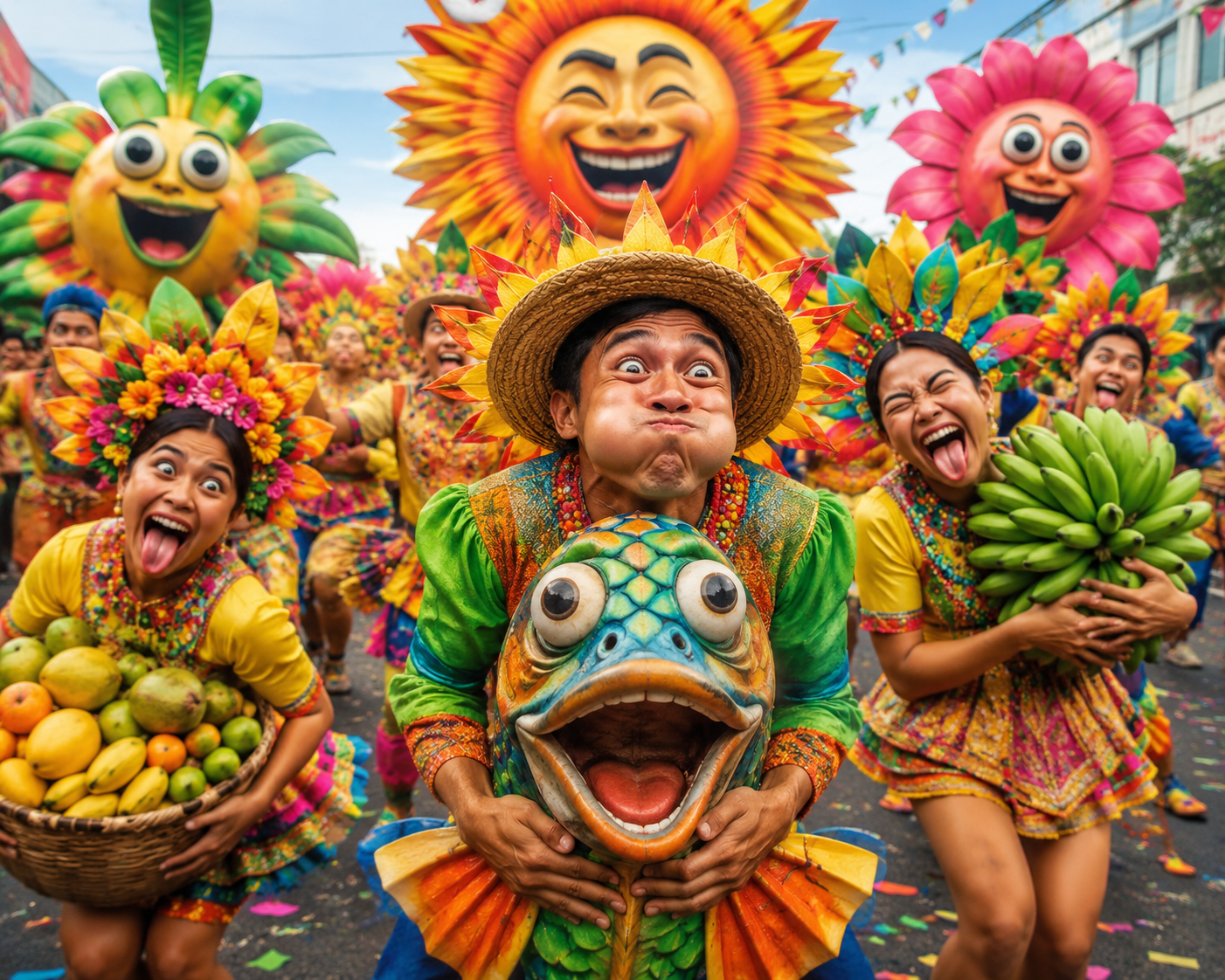
    Imagine waking up to the perfect, iconic silhouette of the Mayon Volcano—a towering, near-perfect cone piercing the horizon—while the air fills with the hypnotic beat of tribal drums and the scent of spicy Bicolano dishes. You aren’t just watching a festival; you are stepping into a living legend of love, tragedy, and volcanic passion. This is the Magayon Festival, and missing it is like missing the soul of Bicol.

    HISTORY: THEN AND NOW

    The Magayon Festival was born from the legend of Daragang Magayon, the beautiful maiden whose tragic love story is said to have formed the Mayon Volcano. Once a simple local thanksgiving for the harvest, it has evolved into a massive month-long spectacle. Today, it blends ancient tribal rituals with modern grand parades, street dancing, and agricultural showcases, celebrating the Bicolano spirit in a display of color and fire.

    THE TRAVELER’S DILEMMA: SOLVED

    The biggest problem travelers face? Trying to see it all. Legazpi City can get overwhelming, and road traffic during peak festival days is legendary. Solve this by basing yourself in the central district near the Embarcadero or the city center, allowing you to walk to key events. If you want to avoid the crushing crowds at the grand parades, position yourself at the end of the route—you get the same energy without the claustrophobia.

    YOUR MAGAYON TRAVEL GUIDE

    Transportation Tips: Fly into Bicol International Airport. From there, take a van or shuttle directly to Legazpi. Within the city, tricycles and jeepneys are king, but during festival parades, be ready to walk.

    Recommended Hotel: The Oriental Hotel Legazpi. Best for: Luxury seekers and photographers. It offers the absolute best view of Mayon Volcano right from your bed. Pros: World-class views, infinity pool. Cons: Pricey, a bit far from the downtown bustle. Budget alternative: Hotel St. Ellis (Great for mid-range travelers, cozy, central).

    Pricing Observation: During festival month (April to May), hotel rates hike by 30-50%. Book at least three months in advance to avoid “festival tax” pricing compared to off-season months.

    FESTIVAL HIGHLIGHTS & ITINERARY

    The festival runs throughout April. Key events include the Mutya ng Magayon beauty pageant, the grand street dance parade, and nightly firework displays.

    3-Day Itinerary: Day 1: Arrive, check-in, and sunset dinner at the Cagsawa Ruins. Day 2: Morning street dance parade, afternoon food crawl (try Bicol Express!), evening fireworks. Day 3: Sunrise hike at Lignon Hill, visit Daraga Church, souvenir shopping for abaca crafts.

    Nearby Attractions: Cagsawa Ruins (the must-see icon), Lignon Hill Nature Park, Quitinday Green Hills, and Sumlang Lake for balsa riding.

    THE FOMO FACTOR

    The festival only happens once a year. If you skip it, you miss the sight of the Mayon Volcano glowing at night during the grand firework finales—a view that locals claim changes your perspective on nature forever. Don’t be the one watching your friends’ stories; be there for the ground-shaking drums.

    THINGS TO KNOW & TRIVIA

    Trivia: The word Magayon comes from the Bicolano word “maganda,” meaning beautiful. Tip: Bicolano food is spicy! Always ask for “less chili” if you aren’t a fan of heat, but try the authentic spicy version at least once—it is the signature Bicol experience.

    5 FREQUENTLY ASKED QUESTIONS

    1. When is the best time to visit? April, for the peak of the month-long celebrations.
    2. Is the festival safe? Yes, Legazpi is generally very safe, but keep an eye on belongings in large parade crowds.
    3. What is the weather like? Expect hot, humid days with potential afternoon rain.
    4. Can I see the volcano every day? Mayon is shy; early morning is your best bet for a cloudless view.
    5. Is it kid-friendly? Absolutely, though parades get loud and crowded.

    Social Proof: Travelers consistently rate the Magayon street parade as more culturally intimate than Manila’s larger festivals.
  • Beyond the Taboo: Unveiling the Real Spirit of Yulin

    Beyond the Taboo: Unveiling the Real Spirit of Yulin

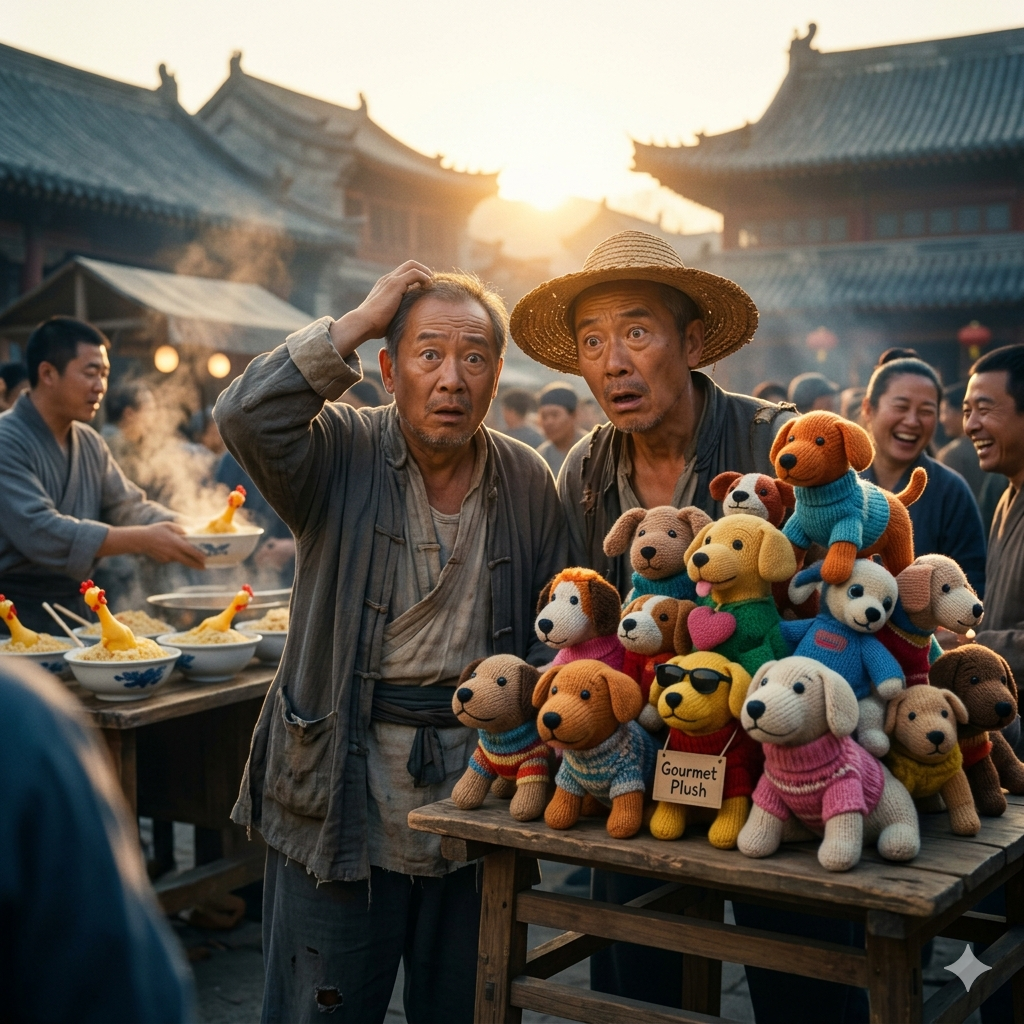
    Imagine standing amidst a sea of colorful lanterns, the air filled with the scent of spices and the hum of a city alive with music and tradition. While global headlines often paint a narrow picture of Yulin, those who venture here discover a city of deep history, warm hospitality, and a vibrant culture that goes far beyond a single controversial event. If you crave a destination that challenges your perceptions and rewards your curiosity, Yulin is calling.

    History: Then and Now

    Yulin, located in the Guangxi Zhuang Autonomous Region, was historically a vital stop on the Southern Silk Road. Once a quiet enclave of traditional courtyard houses and ancient temples, it has evolved into a modern city that still fiercely protects its roots. The transformation from a sleepy trade hub to a bustling cultural center mirrors China’s own rapid growth, yet Yulin manages to keep its ancient soul intact.

    The Traveler’s Decision: Should You Go?

    The decision to visit Yulin often hinges on the desire for authenticity. If you are a traveler who prefers the sanitized, predictable path, Yulin might be too intense. But if you want to understand the complex, multi-layered reality of modern China—where ancient folk customs coexist with sleek urbanization—then Yulin is an essential stop. Don’t let fear of the unknown stop you from seeing the world as it truly is.

    Travel Guide and Tips

    • Best Time to Visit: Spring and Autumn offer the most pleasant weather for exploring.
    • Language: Mandarin is the standard, though local dialects are common. Carry a translation app.
    • Cultural Etiquette: Always ask before taking photos of people or religious ceremonies.

    Nearby Attractions

    • Yuntian Cultural City: An awe-inspiring complex often called the “Potala Palace of Guangxi.”
    • The Ancient Streets of Rongxian: Perfect for history buffs wanting to see well-preserved architecture.

    Transportation Tips

    • Getting There: Yulin is well-connected by high-speed rail from Nanning and Guangzhou.
    • Getting Around: Didi (the local ride-hailing app) is the easiest way to navigate the city. Avoid the stress of haggling with local taxis.

    Hotel Recommendations

    • Yulin International Hotel: Best for business travelers and those wanting luxury and convenience.
    • Yuntian City Theme Hotel: Best for families and travelers seeking a unique, cultural experience.
    • Comparison: The International Hotel is priced in the premium range, while the Theme Hotel offers better value for budget-conscious explorers looking for comfort.

    Pros and Cons

    • Pros: Incredible, authentic food scene; friendly locals; rich historical architecture; affordable travel costs.
    • Cons: Limited English spoken; cultural differences may be shocking to some; heavy tourist presence during major festivals.

    Local Food and Tourism Tips

    You cannot leave without trying the local tofu dishes and the famous Yulin beef brisket. Tourism tip: Hire a local guide for your first day; they provide context you cannot find in any guidebook.

    Festival Schedules and Activities

    The Yulin festival culture centers around the Summer Solstice celebrations. Activities include street performances, traditional dance competitions, and massive community feasts that highlight the region’s culinary history.

    3-Day Itinerary

    • Day 1: Explore the Yuntian Cultural City and enjoy a traditional dinner in the city center.
    • Day 2: Take a day trip to Rongxian to explore the ancient pagodas and temples.
    • Day 3: Visit local markets, shop for regional crafts, and enjoy a farewell feast of local delicacies.

    Social Proof and FOMO

    Travelers who visit Yulin consistently report that the “real” Yulin is far kinder and more culturally diverse than the media suggests. If you don’t go, you are missing out on one of the last truly authentic experiences in Guangxi.

    Things to Know and Trivia

    • Trivia: Yulin is home to some of the oldest documented tea-growing traditions in Southern China.
    • Know this: The city is incredibly safe, even at night.

    5 Frequently Asked Questions

    1. Is Yulin safe for tourists? Yes, it is very safe.
    2. Do I need a visa? Yes, please check local Chinese visa regulations.
    3. Is it expensive? No, it is significantly cheaper than major hubs like Shanghai or Beijing.
    4. Can I get by with English? Rarely. Use a translation app.
    5. What is the currency? Chinese Yuan (RMB).
  • Sweet Escapes: Unveiling the Magic of Camiguin’s Lanzones Festival

    Sweet Escapes: Unveiling the Magic of Camiguin’s Lanzones Festival

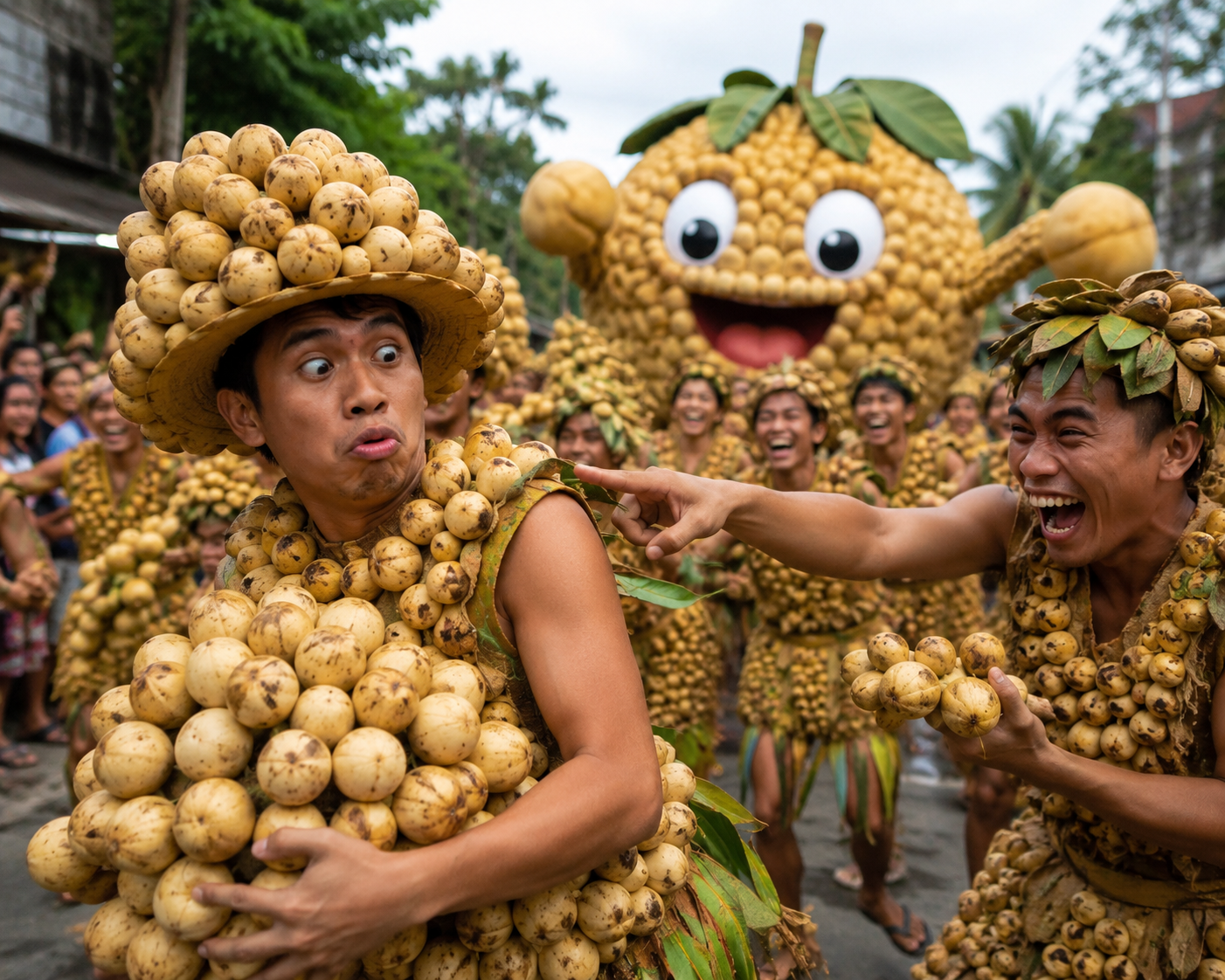
    Close your eyes and imagine the scent of sun-warmed tropical fruit hanging heavy in the cool mountain air, the sound of thousands of rhythmic footsteps pounding against the asphalt, and a kaleidoscope of colors whirling past you in a joyous, hypnotic frenzy. You are standing in the heart of the Philippines’ “Island Born of Fire,” where the humble lanzones fruit is transformed into a legendary celebration of life, harvest, and community. This isn’t just a festival; it is a pulse—a vibrant, sticky-sweet energy that pulls you into a dance you never want to leave.

    A Tale of Two Times: The Lanzones Story

    History tells us the Lanzones Festival began as a simple thanksgiving ritual for a bountiful harvest of the island’s most prized fruit. Back then, it was a quiet, intimate gathering of farmers and families. Today, it has evolved into an explosive cultural phenomenon. While the core spirit remains—thanking the spirits for the sweetness of the land—the festival now features massive street dances, grand pageants, and industrial-scale artistry that transforms the entire province of Camiguin into one giant, glittering parade route every October.

    Solving the Traveler’s Dilemma

    The biggest problem travelers face? The “Island Bottleneck.” Camiguin is small, and during festival week, accommodations vanish, and transport stalls. If you don’t book your stay and your ferry transfers at least three months in advance, you risk being stranded on the mainland. Solve this by securing a base in Mambajao and booking a private boat transfer well ahead of the October rush.

    Your Festival Survival Guide

    • Best Time to Visit: Mid-October. Keep an eye on local government announcements for the exact dates of the grand street parade.
    • The Vibe: High-energy, humid, and extremely loud. Bring earplugs if you have sensitive ears.
    • Pro-Tips: Wear light, moisture-wicking clothing. Carry a reusable water bottle, as the mid-day heat in October is unforgiving.

    Nearby Attractions

    • White Island: A pristine sandbar perfect for morning swims.
    • Sunken Cemetery: Iconic cross marking the site of an underwater town.
    • Ardent Hot Springs: The perfect place to soak your tired feet after hours of parade-watching.

    Getting Around

    The best way to traverse the island is by renting a scooter or hiring a “multicab” for the day. Local habal-habal (motorcycle taxis) are everywhere but negotiate the price before you climb on.

    Where to Stay: Recommendations

    • Balai sa Baibai (Best for Couples/Luxury Seekers): Offers serene, boutique beachfront cottages. High-end pricing, but worth it for the quiet away from the festival noise.
    • Paras Beach Resort (Best for Families/Groups): Spacious, reliable, and centrally located. Mid-range pricing with great pool access.
    • Comparison: High-end resorts average 5,000-8,000 PHP per night during the festival, while local homestays can be found for 1,500-2,500 PHP. Book early to avoid the 200% price surge during the peak weekend.

    Pros and Cons

    • Pros: Incredible food, world-class hospitality, and unparalleled photo opportunities.
    • Cons: Overwhelming crowds, overpriced transport during parade hours, and limited cellular service in remote areas.

    The Must-Do Itinerary

    • Day 1: Arrival, check-in, and sunset swim at White Island.
    • Day 2: The Grand Parade. Wake up at 5:00 AM to get a prime spot on the street. Afternoon dip in Ardent Hot Springs.
    • Day 3: Island loop. Visit the Sunken Cemetery and Katibawasan Falls before heading home.

    The FOMO Factor

    If you aren’t here for the street dancing, you aren’t just missing a party—you are missing the chance to see the entire island’s soul laid bare. People travel from across the globe for this; if you stay home, you are only seeing a postcard, not the life behind it.

    Things to Know & Trivia

    • Trivia: The lanzones fruit is said to be cursed in local legend, but the festival was created to break that curse by celebrating the fruit as a gift.
    • Eat This: Pastel (a famous local pastry filled with yema) and fresh lanzones by the kilo.

    Frequently Asked Questions

    1. Is it safe for solo travelers? Yes, Camiguin is one of the safest islands in the Philippines.
    2. How do I get to Camiguin? Fly into Camiguin Airport or take a ferry from Balingoan Port in Misamis Oriental.
    3. Should I haggle? Only for transport; food and hotel prices are generally fixed.
    4. Is the festival kid-friendly? Yes, but the crowds can be intense. Keep children close.
    5. What if it rains? October can be rainy. Pack a high-quality poncho; the parade usually pushes through regardless of the weather.
  • Baragatan Festival: Where Palawan’s Soul Comes Alive

    Baragatan Festival: Where Palawan’s Soul Comes Alive

    Imagine standing in the center of a vibrant tapestry, where the rhythmic thrum of gongs meets the joyful laughter of diverse indigenous tribes, all under the golden sun of the Philippine frontier. For one week, the island of Palawan transforms into a spectacular kaleidoscope of culture, color, and community. The air is thick with the scent of roasted local delicacies and the palpable spirit of unity that only the Baragatan Festival can provide.

    History: Now and Then

    The term Baragatan comes from the Cuyonon word bagat, meaning to meet. It started as a modest celebration to commemorate Palawan’s founding anniversary. Today, it has evolved into a massive provincial showcase that honors the unity of Palawan’s diverse municipalities, blending traditional rituals with modern festivities. It is the ultimate gathering of the island’s many cultures.

    Solve Your Traveler Problem: The Logistics Trap

    The biggest headache during Baragatan is transportation gridlock and fully booked accommodations. Tourists often show up during the week-long celebration without realizing that Puerto Princesa’s city center becomes a pedestrian-only zone during parade days. Decision: Book your stay at least three months in advance and prioritize hotels within walking distance of the provincial capitol grounds to avoid the stress of rerouted traffic.

    Travel Guide & Tips

    • Best time to go: Late June, coinciding with the provincial foundation day.
    • Pack light, breathable clothing for the humid street parades.
    • Always carry a reusable water bottle; the parade routes can get very hot.

    Nearby Attractions

    While in Puerto Princesa for the festival, don’t miss:

    1. Honda Bay Island Hopping
    2. Puerto Princesa Underground River (book in advance!)
    3. Mitra’s Ranch for panoramic views.

    Transportation Tips

    Use the local tricycle system for short city trips. If visiting remote attractions, hire a private van for your group to avoid the unpredictability of public transport during festival week.

    Recommended Hotel: Hue Hotels and Resorts Puerto Princesa

    Best for: Families and travelers who want a mix of festival energy and luxury relaxation. It is centrally located and provides a quiet sanctuary after a loud day at the capitol.

    Pros & Cons

    • Pros: World-class amenities, near the festival grounds, excellent pool.
    • Cons: Premium pricing during festival week; can feel too quiet if you want a local homestay experience.

    Pricing Observations

    Expect a 30-50% markup on hotel rates compared to the off-season. Compared to budget hostels, Hue offers significant value in convenience and air-conditioning, which is essential after a day in the parade heat.

    Local Food Tips

    Seek out the Kinilaw sa Tuba (raw fish in coconut vinegar) and the Chao Long (Vietnamese-inspired noodles), which are staples in Puerto Princesa.

    Festival Schedule & Activities

    • Grand Opening Parade: Colorful floats and street dancing.
    • Baragatan Trade Fair: Buy authentic Palawan handicrafts.
    • Mutya ng Palawan: A beauty pageant highlighting local heritage.
    • Nightly Concerts: Featuring local bands and cultural performances.

    3-Day Itinerary

    Day 1: Arrival and trade fair exploration at the capitol grounds. Day 2: Morning street parade followed by an afternoon at Honda Bay. Day 3: Cultural exhibits at the capitol and a farewell dinner at a local seafood house.

    Social Proof & FOMO

    Travelers who miss Baragatan often complain that their trip felt like a standard vacation rather than a deep dive into Palawan’s heart. Do not just see the beaches; experience the people.

    Things to Know & Trivia

    Trivia: Baragatan is the only time of year you can see performers from all 23 municipalities of Palawan in one place. Note: Respect local customs by asking permission before taking portraits of indigenous performers in their traditional regalia.

    5 Frequently Asked Questions

    1. Is it safe? Yes, the city implements strict security protocols.
    2. Do I need a ticket? No, the parade and fair are free to the public.
    3. How long should I stay? Three days is perfect for the highlights.
    4. Can I use credit cards? Major hotels do, but street vendors are cash-only.
    5. Is it rainy? June is the start of the wet season; bring a rain poncho.