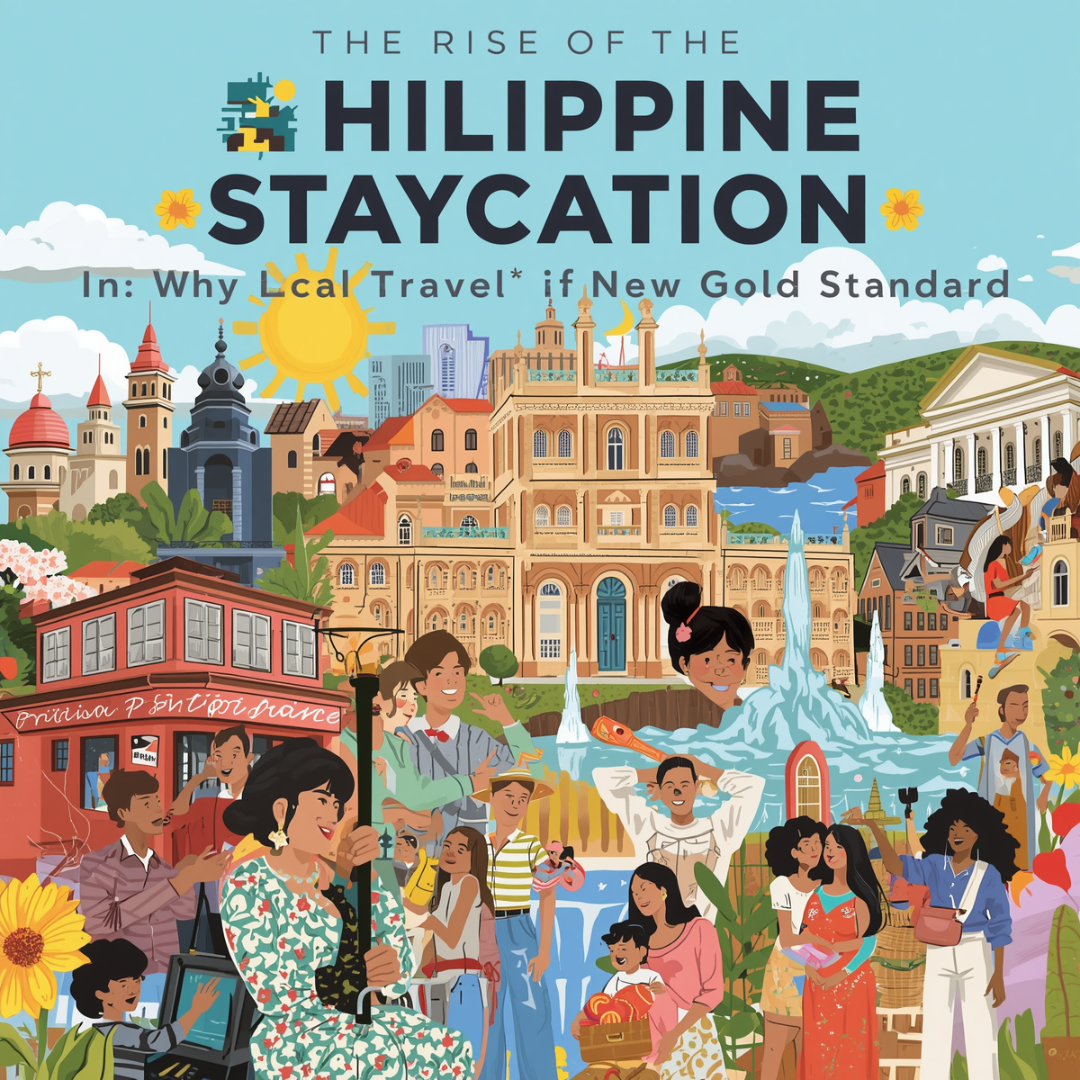

The Philippine hospitality landscape is undergoing a significant transformation. While international travel has always held a certain allure, a powerful trend is reshaping the industry: the meteoric rise of the staycation. From the towering luxury suites of Bonifacio Global City to the boutique heritage villas of Vigan, businesses across the archipelago are reporting a substantial surge in local bookings.
But what exactly is driving Filipinos to trade their passports for “near-cations”? Let’s dive into the factors fueling this domestic boom and what it means for the future of Philippine tourism.
1. The Pursuit of “Micro-Moments” and Short Breaks
In 2026, the traditional two-week annual vacation is no longer the only way to recharge. Filipino travelers are increasingly opting for multiple short breaks throughout the year. Data from the Department of Tourism (DOT) recently highlighted a massive surge in domestic travel during long weekends and holiday stretches, with destinations like Baguio City and Tagaytay seeing hundreds of thousands of visitors seeking a quick escape from the humid lowlands.
For many, a 48-hour staycation offers the perfect “reset button” without the logistical fatigue of long-haul flights or the stress of visa applications.
2. Affordability and High-Value Experiences
While global inflation has made international travel more expensive, the local market has responded with competitive, high-value packages. According to the Travel Pulse 2026 study by Klook Philippines, affordability remains a top priority. However, “affordable” doesn’t mean “cheap.”
Filipinos are willing to spend on:
- Shared Experiences: Families and barkadas are booking larger suites or villas to foster reconnection.
- Unique Amenities: High-speed Wi-Fi for “workations,” infinity pools, and curated local dining experiences are major draws.
- Wellness & Nature: Stays that offer “forest bathing,” spa treatments, or coastal views are seeing the highest conversion rates.
3. The Power of “Hyper-Local” Discovery
There is a growing sense of national pride and a desire to support local communities. Modern staycationers aren’t just staying in their rooms; they are exploring the “hidden gems” in their own backyards.
- Metro Manila residents are rediscovering the charm of Intramuros through night tours and heritage stays.
- Provincial hubs like Cavite, Pampanga, and La Union have become hotspots for those seeking culinary adventures and beach escapes within a three-hour drive.
Businesses that partner with local artisans, tour guides, and farmers are finding that guests value these authentic connections more than ever.
What This Means for Business Owners
For hotel and Airbnb owners, this shift presents a golden opportunity. To capitalize on the staycation trend, businesses are pivoting their marketing strategies to focus on:
- Pet-Friendly Accommodations: As more Filipinos consider pets part of the family, pet-friendly policies are a massive competitive advantage.
- Seamless Digital Booking: With the rise of AI-driven travel apps, having a streamlined, mobile-friendly booking process is non-negotiable.
- Hyper-Personalization: Offering “staycation kits”—such as board games, local coffee blends, or curated Netflix watchlists—creates a memorable “home away from home” atmosphere.
Conclusion: A Bright Future for Domestic Tourism
The increase in staycation bookings in Philippines is more than just a passing fad; it’s a reflection of a more mindful, balanced, and locally-conscious traveler. As the industry continues to innovate, the line between “tourist” and “local” continues to blur, proving that sometimes, the best adventures are the ones that start just a few kilometers from home.