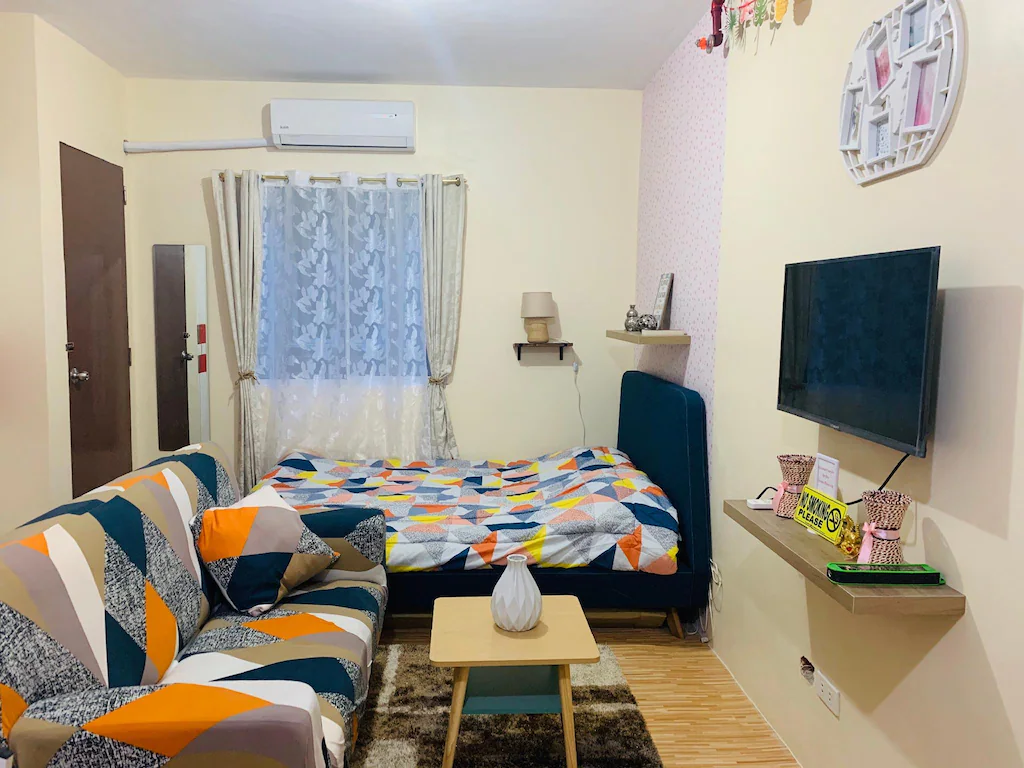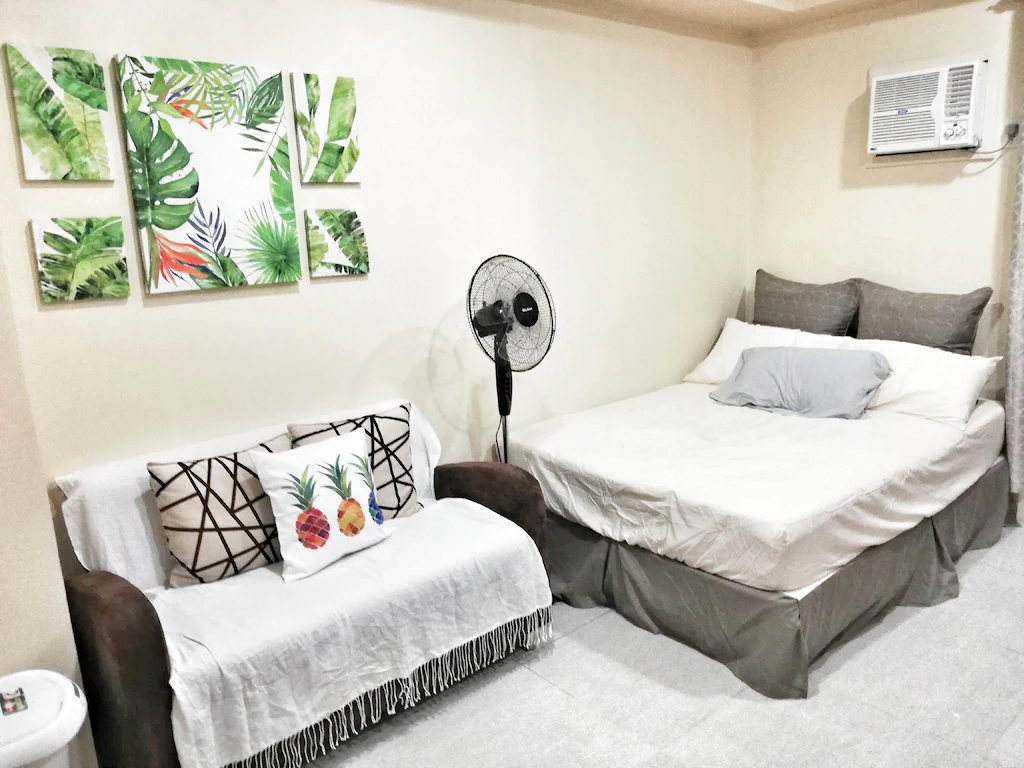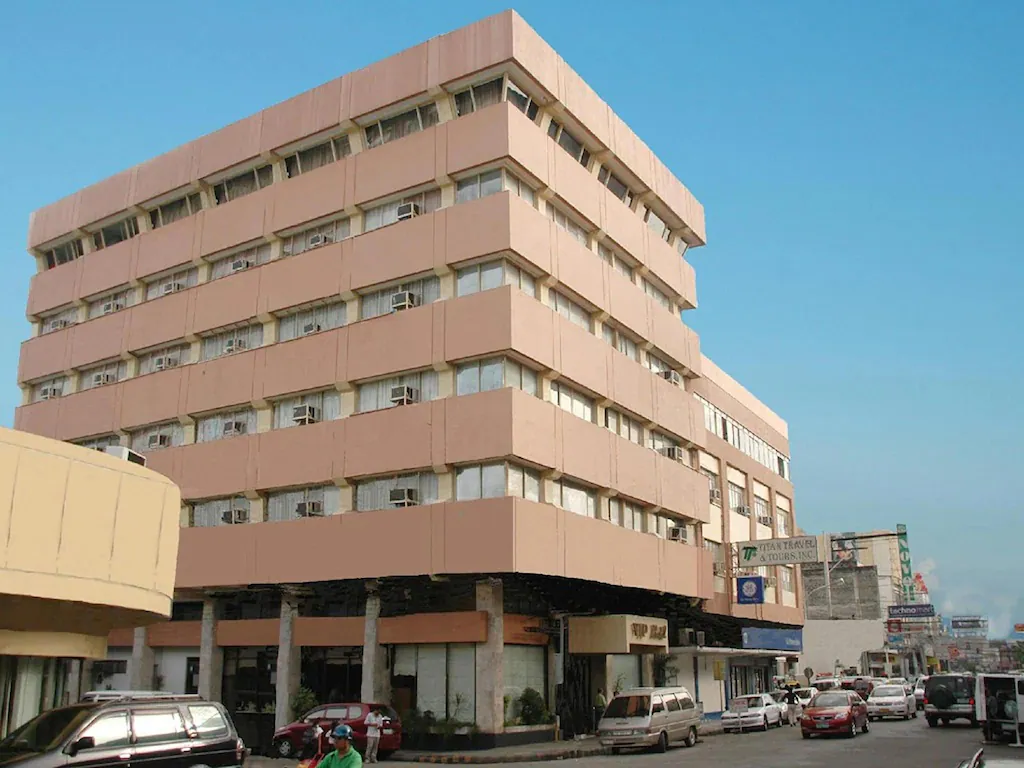
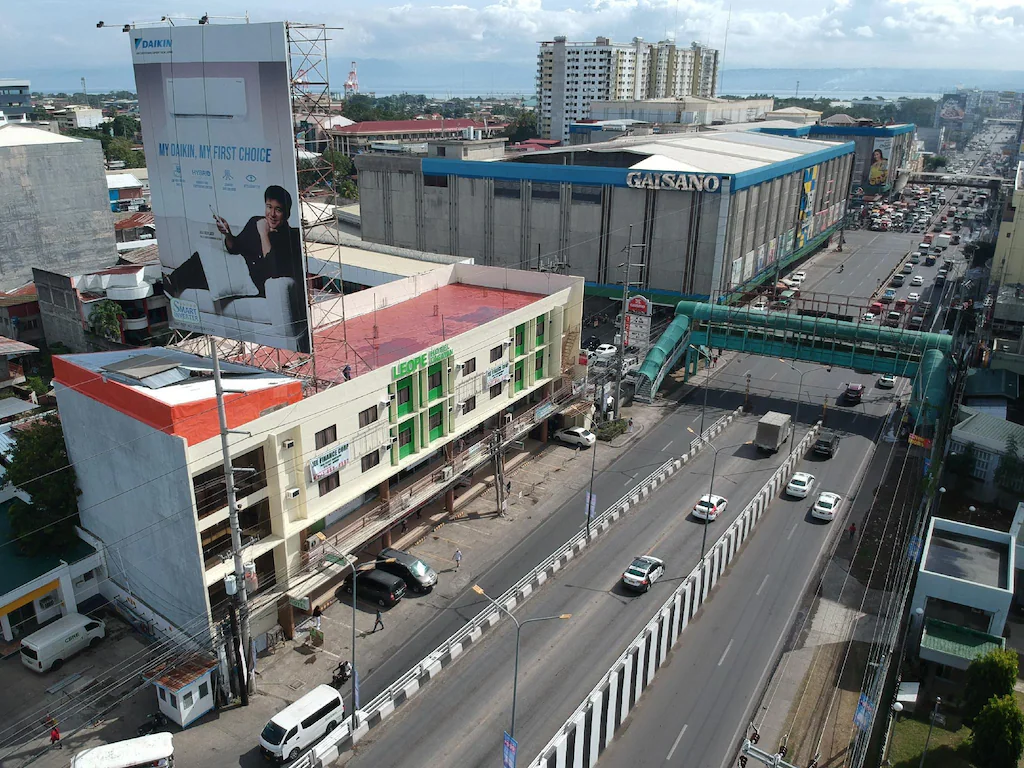
The Heartbeat of Cagayan de Oro: A Stay That Feels Like Coming Home
Imagine waking up in the “City of Golden Friendship.” You aren’t just checking into a room; you are stepping into a sanctuary designed to bridge the gap between historic charm and modern-day comfort. Whether you are here for the white-water rafting adventure of a lifetime or a quiet business retreat, your choice of accommodation dictates the soul of your journey.
If These Walls Could Talk
Many of the heritage-inspired accommodations in CDO sit on land that witnessed the city’s transformation from a sleepy river town to a bustling metropolis. Our featured style of stay repurposes colonial-era layouts—high ceilings that breathe, thick walls that offer natural insulation against the tropical heat, and courtyards that capture the morning breeze. These spaces aren’t just “budget rooms”; they are chapters of local history preserved for your comfort.
Why Travelers Choose This Experience
- Convenience & Accessibility: Located minutes from the major transport hubs, meaning you spend less time in traffic and more time at the river.
- Instagram-Worthy Aesthetics: Look for the “Golden Hour” corners—where the light hits the local Capiz-shell windows or the ivy-clad brick walls.
- The “Work-from-Anywhere” Essential: High-speed, fiber-optic Wi-Fi that handles video calls as easily as it handles your vacation uploads.
- Budget Savvy, Luxury Feel: You get the boutique aesthetic at a price point that leaves enough in your pocket for an extra day of ziplining or a fine-dining experience.
Your Travel Survival Kit
Nearby Must-Dos
- Mapawa Nature Park: For the nature seeker.
- Cagayan River: The home of the famous White Water Rafting.
- Museo de Oro: To understand the deep indigenous roots of Northern Mindanao.
Transportation Tips
- Jeepneys: The heartbeat of CDO. Affordable and goes everywhere.
- Taxi/Grab: Use these for late-night safety and comfort.
- Habal-Habal: Use for steep terrain if you are headed toward the mountains.
Decision Matrix: Is This For You?
| Best For | Not Best For |
| Solo adventurers seeking a social atmosphere | Those requiring 5-star opulent room service |
| Digital nomads who value high-speed Wi-Fi | Travelers with severe mobility issues (heritage homes often have stairs) |
| Couples looking for a “hidden gem” vibe | Large groups seeking massive resort-style pools |
Pros: Unbeatable local immersion, lower cost, personalized staff service.
Cons: Limited parking, can be harder to find on generic map apps, smaller room footprints.
10 FAQs (The “What, When, Where, Why, Who, How” Edition)
- What is the best time to visit CDO? January for the San Sebastian Festival.
- When should I book my room? At least 2 weeks in advance during peak season.
- Where is the safest area for tourists? The Divisoria and Pueblo de Oro districts.
- Why choose a local boutique over a chain hotel? The personalized history and community support.
- Who helps the most with tour bookings? The front desk—they usually have local partner guides.
- How do I get there from the airport? Laguindingan Airport offers shuttle buses directly to the city center.
- Can I bring local street food inside? Yes, just be mindful of strong odors (like Durian).
- Can I request late checkout? Most boutiques accommodate this for a small fee if requested 24 hours prior.
- How secure is the area? CDO is highly urbanized; practice standard city safety precautions.
- Why is the Wi-Fi so good here? Most boutique owners in CDO invest in enterprise-grade fiber to attract the digital nomad market.
Fear of Missing Out (FOMO)
The best rooms in the city—the ones with the view of the river or the balcony overlooking the bustling street—sell out weeks before major festivals. Don’t let your “perfect trip” become a “settled-for” stay. Book now to secure the room that defines your vacation.
Did You Know? (Fun Facts)
Local Folklore: Keep an eye out for “Sigbin” tales told by staff during the rainy season—a perfect conversation starter over local coffee.
The Logbook Legend: Some of the older establishments in town still keep physical “guest journals” from the 1990s. Reading them is like walking through a time capsule of local legends.
Klook.com