Tag: Boutique Hotels

  • The Best Peaceful Places in Cebu: A Guide to Quiet Stays & Hidden Gems

    The Best Peaceful Places in Cebu: A Guide to Quiet Stays & Hidden Gems

    Beyond the Hustle: Finding Your “Peaceful Place” in the Heart of Cebu

    Imagine waking up to the gentle hum of a city that never truly sleeps, yet finding yourself in a sanctuary where the only schedule is your own. In the bustling metropolis of Cebu, finding a “peaceful place” isn’t just about a room—it’s about reclaiming your rhythm. Whether you are seeking a high-rise escape with panoramic mountain views or a hidden boutique nook tucked away from the main streets, your perfect Cebu retreat awaits.

    The Story: From Then to Now

    Cebu’s hospitality landscape has transformed from humble ancestral inns to world-class urban sanctuaries. Many of the most peaceful hotels today are built upon the heritage of old Cebu—repurposed colonial-era foundations where high ceilings and thick, solid walls were designed to keep interiors cool long before modern air conditioning.

    If These Walls Could Talk

    Many boutique stays in areas like Capitol or Lahug stand on grounds that once hosted grand gatherings of Cebu’s elite families. Today, these spaces have been reimagined. You’ll find industrial chic architecture blended with traditional Filipino woodwork, offering a sensory experience that honors the past while embracing the modern need for silence and serenity.

    Why You Need This Escape

    Stop compromising between convenience and quiet. These “peaceful places” offer:

    • Strategic Silence: Situated just far enough from the neon glow of Mango Avenue or the heavy traffic of Colon, yet close enough that a 10-minute Grab ride lands you at the best shopping malls (Ayala or SM).
    • Design-Led Relaxation: Think minimalist, clutter-free rooms with ergonomic workspaces and soundproofed windows.
    • The “Slow-Travel” Advantage: With reliable, high-speed WiFi, you can finish your work in a serene environment, then head out for a sunset dinner without the stress of a long commute.
    • Safety & Comfort: 24-hour security and thoughtful, personalized service that feels more like a guest house than a sterile corporate hotel.

    Traveler’s Cheat Sheet: Before You Book

    Who This Is Best For

    • Digital Nomads: Seeking a quiet environment for deep work.
    • Couples: Looking for an intimate, low-key getaway.
    • Solo Explorers: Who prioritize safety and proximity to transport hubs.

    Who Should Avoid This

    • Party Seekers: If you want the loudest clubs right outside your door, look toward the heart of the nightlife districts.
    • Large Groups: Boutique, peaceful hotels often have limited rooms and may not cater to noisy social gatherings.

    Pros & Cons

    • Pros: Lower noise pollution, curated aesthetics, personalized attention, better value for money.
    • Cons: Fewer on-site amenities (like massive waterparks or 24/7 casinos) compared to major resort chains.

    Planning Your Cebu Itinerary (3-Day Relax & Recharge)

    • Day 1: Old Cebu Heritage. Visit Casa Gorordo Museum, Magellan’s Cross, and Basilica del Santo Niño. End the day with a quiet sunset dinner in a garden restaurant.
    • Day 2: Coastal Escape. Take a day trip to Mactan for a relaxing beach day or a spa treatment.
    • Day 3: Mountain View. Head to Tops Lookout or a scenic cafe in Busay for sweeping views of the city.

    10 Frequently Asked Questions

    1. What makes a hotel “peaceful” in a city like Cebu? It’s a combination of soundproofing, location away from major transit arteries, and a design philosophy that prioritizes open, quiet space.
    2. When is the best time to book for lower rates? Sundays are often significantly cheaper. Aim for the “shoulder” months of April through June.
    3. Where should I stay for the perfect balance of peace and access? Look at properties in the Capitol or Lahug areas; they are central but offer pockets of tranquility.
    4. Why choose a boutique hotel over a big resort? For an authentic, personal touch and a break from the crowds.
    5. Who handles the best airport transfers? Always use the Grab app to avoid fluctuating taxi meters.
    6. How do I ensure the WiFi is actually good? Check recent reviews specifically for “WiFi” or “internet” mentions. Most modern condo-hotels in IT Park offer fiber-optic speeds.
    7. Can I find local food nearby? Yes, Cebu is a food lover’s paradise. Ask the concierge for the nearest lechon or pungko-pungko (street food) spots.
    8. Is it safe to walk around? Yes, but practice standard urban vigilance, especially at night.
    9. How much should I budget for a night? A solid, peaceful boutique stay ranges from $35 to $70 USD per night.
    10. What is the one thing I shouldn’t miss? A sunrise visit to the mountain tops—it’s the ultimate “peaceful” experience.

    Fun Facts & Folklore

    • Did You Know? Many of the older properties in Cebu have “hidden courtyards”—an architectural secret used by Spanish-era homes to create a private, wind-cooled oasis.
    • Local Legend: It is said that some of the oldest trees in the city were once protected by spirits who ensured the land stayed “blessed,” which locals often cite as the reason for the uncanny calm in certain older, leafy neighborhoods.

    Klook.com
  • Discover Sophistication: Your Cebu Sanctuary at Sophia Suites

    Discover Sophistication: Your Cebu Sanctuary at Sophia Suites

    Imagine stepping into a haven where the vibrant, chaotic hum of Cebu City fades into a serene whisper. You are surrounded by refined aesthetics and attentive service that feels like a personal embrace after a long day of exploring ancient Spanish colonial streets. You deserve more than just a place to sleep; you deserve a sanctuary that elevates your entire island journey.

    Sophia Suites Residence Hotel isn’t just a place to stay—it’s where modern luxury meets the historic soul of Cebu. Built to cater to the discerning traveler who values both convenience and class, this property stands as a contemporary jewel in a city famously known as the Queen City of the South.

    Solving Your Accommodation Dilemma

    Travelers to Cebu often face the “Transit Trap”: choosing between noisy downtown hotels or far-flung, inconvenient resorts. If you value easy access to the city’s business hubs while still craving a peaceful, boutique atmosphere, Sophia Suites is your answer.

    Decision Rule: Prioritize residence-style hotels if you are staying for more than two nights. You get extra space, functional kitchens, and a “home away from home” feeling that standard hotel rooms simply cannot provide.

    Recommended: Sophia Suites Residence Hotel

    Who it is best for: Business travelers, couples, and small families who want a quiet, high-end base for urban exploration.

    Pros:

    • Spacious, suite-style rooms with kitchenette options.
    • Quiet, residential-feel location away from major traffic noise.
    • Exceptional personalized service.

    Cons:

    • Not within walking distance to major malls.
    • Limited nightlife right at the doorstep.

    Pricing: Rooms generally start at 3,000 to 4,500 PHP. Compared to massive commercial hotel brands nearby, you get significantly more square footage and a calmer environment for the same budget.

    Travel Guide & Nearby Attractions

    Cebu is a mix of heritage and adventure. While staying at Sophia Suites, you are perfectly positioned to reach:

    • Basilica Minore del Santo Nino: The oldest Roman Catholic church in the country.
    • Tops Lookout: For a breathtaking panoramic view of the metro skyline.
    • Temple of Leah: An architectural masterpiece dedicated to undying love.

    Transportation: Download the Grab app for the most reliable, price-transparent transportation. Taxis are abundant, but always insist on using the meter.

    3-Day Cebu Immersion Itinerary

    Day 1: Arrival, local heritage tour (Magellan’s Cross, Fort San Pedro), and a classic Lechon dinner.

    Day 2: Adventure day trip to Kawasan Falls or swimming with whale sharks in Oslob.

    Day 3: Shopping at local markets for dried mangoes, relaxing at a boutique cafe, and departure.

    Festivals & Local Tips

    Cebu is the home of the Sinulog Festival, held every January. Expect massive street parades, intense dancing, and a city-wide party atmosphere. If you visit outside of January, local night markets and food hubs like Sugbo Mercado offer a year-round festival of flavors.

    Social Proof & FOMO

    Travelers consistently rank Sophia Suites as a hidden gem for its cleanliness and friendly staff. Those who ignore boutique residences often end up in generic, sterile hotel chains that lack the charm of a true Cebuano home. Don’t miss out on the quiet luxury that makes your vacation feel truly exclusive.

    Things to Know & Trivia

    Trivia: Cebu is the site of the first Christian baptism in the Philippines.

    Tip: When buying dried mangoes, check for the “Philippine Brand”—they are widely considered the gold standard for travelers.

    Tip: The “Cebuano” language is distinct from Tagalog; a simple “Salamat” (Thank you) will earn you genuine smiles everywhere.

    10 High-Intensity Frequently Asked Questions

    1. Is the Wi-Fi stable for remote work? Yes, it is optimized for business travelers.
    2. Are kitchen facilities in every room? Most suites include them, but confirm your specific room type.
    3. How far is the Mactan-Cebu International Airport? Roughly 30-45 minutes depending on traffic.
    4. Is breakfast included? Yes, most bookings come with a hearty breakfast buffet.
    5. Is the area safe at night? Yes, the residence is in a well-guarded residential enclave.
    6. Does the hotel have a pool? Yes, a quiet pool for relaxation.
    7. Are pets allowed? No, please check the hotel policy before booking.
    8. Can they arrange island tours? Yes, the concierge is highly experienced in local tour coordination.
    9. Is there laundry service? Yes, full laundry and dry cleaning services are available.
    10. Is there a gym on-site? Yes, it is well-equipped for basic daily fitness routines.
  • Layover Paradise: Your Guide to Hassle-Free Manila Airport Stays

    Layover Paradise: Your Guide to Hassle-Free Manila Airport Stays

    Imagine landing after a grueling twelve-hour flight, your body aching for a bed, only to face the infamous Manila traffic. Instead of dreading the commute, picture yourself stepping off the plane and being just minutes away from a clean, comfortable, and quiet sanctuary. You don’t have to navigate the city’s chaotic sprawl; you can simply rest, refresh, and recharge before your next adventure begins.

    The Philippine airport hotel scene has evolved significantly. While the legendary “Philippine Village Hotel”—once the country’s premier airport hotel—is now a part of history to make way for new terminal infrastructure, today’s travelers have access to modern, efficient “pod” hostels and budget-friendly hotels located just steps away from the terminals.

    Decision-Making: Choose Your Stay

    If you have a short layover (less than 8 hours), stay within the Newport City complex (walking distance to Terminal 3). If you are on a budget or have a longer layover, look for hotels in Pasay or Paranaque that offer complimentary shuttle services. Skip staying in Makati or BGC if your flight is early; the morning traffic is unpredictable and will turn a 20-minute drive into a two-hour ordeal.

    Recommended Stays

    • For the budget traveler: DG Budget Hotel Salem. It’s clean, functional, and very close to the terminals.
    • For the transit seeker: Belmont Hotel Manila. It is highly convenient, located in Newport City, and offers seamless access to Terminal 3.
    • Who it’s for: These are best for solo backpackers, business travelers on a quick turn-around, and families who need a rest-stop between long-haul flights.

    Pros and Cons

    • Pros: Massive time savings, avoidance of peak-hour traffic, and 24/7 check-in availability.
    • Cons: Proximity to the airport can sometimes mean jet noise, and area dining options are largely limited to mall-style chains.

    Pricing Observations

    Budget hostels start at around 1,500 to 2,500 PHP per night, while premium transit hotels like Belmont or Savoy range from 4,500 to 7,000 PHP. Booking at least two weeks in advance is recommended as these properties fill up rapidly during peak travel seasons.

    Nearby Attractions and Local Tips

    If you have 4-6 hours to kill, head to the nearby SM Mall of Asia for a quick stroll or visit the Newport World Resorts area for diverse dining. For authentic local food, try a nearby “carinderia” or fast-food chain like Jollibee to experience the true Pinoy taste of fried chicken and spaghetti.

    Festival Activity

    August in Manila is “Buwan ng Wika” (Month of the National Language), which often features small-scale cultural exhibits and performances in malls. Major festivals like the Kadayawan Festival occur in Davao, not Manila, so check regional flights if you are looking to join large-scale celebrations.

    Itinerary for a 12-Hour Layover

    • 1:00 PM: Land and clear immigration.
    • 2:00 PM: Check into your airport hostel or hotel.
    • 3:00 PM: Grab a local meal and freshen up.
    • 5:00 PM: Quick mall run for essentials or local snacks.
    • 8:00 PM: Relax and sleep to prepare for your flight.

    Things to Know

    • Trivia: Ninoy Aquino International Airport (NAIA) was originally a US Air Force base until 1948.
    • Transportation: Use the Grab app for the most reliable, fixed-price transit. Never accept rides from non-metered taxis at the arrivals curb.
    • Safety: Keep your passport and valuables in your carry-on; do not check them in your main luggage.

    Frequently Asked Questions

    1. Is there free Wi-Fi? Most airport hotels provide decent Wi-Fi.
    2. Are these hotels safe? Yes, the areas around the airport, particularly Newport City, are highly regulated and secure.
    3. Can I walk to the terminal? Only if you are staying in the Newport City area and walking to/from Terminal 3.
    4. Do I need a visa to enter Manila? Check your national requirements; many tourists get a visa-free entry for 30 days.
    5. Is the airport area noisy? Yes, expect some plane noise, though modern hotels use soundproofing.
    6. What is the best way to get to the hotel? Use the Grab app or hotel shuttle services.
    7. Can I store my luggage? Most airport hotels offer baggage storage services for guests.
    8. Are there 24-hour convenience stores? Yes, local convenience stores like 7-Eleven are ubiquitous.
    9. Should I tip? Tipping is not strictly required but highly appreciated in the service industry.
    10. Is it easy to find food at night? Yes, fast-food chains and convenience stores near the airport operate 24/7.

    #ManilaLayover #AirportHostel #NAIAStay

    Related Tags: ManilaTravel, BudgetStay, TransitGuide

  • Hidden Boutique Hotels in Cebu City: A Guide to Authentic Stays

    Hidden Boutique Hotels in Cebu City: A Guide to Authentic Stays

    Uncovering the Charm: Why Your Next Cebu Escape Belongs in a Heritage-Infused Boutique Stay

    Imagine waking up in the heart of Cebu, where the vibrant hum of the city meets the quiet, textured history of a building that has seen decades of change. You aren’t just checking into a room; you are stepping into a story.

    Travelers often struggle with the “soul vs. savings” dilemma: staying in sterile chain hotels that feel the same everywhere, or risking comfort for local character. A boutique, heritage-focused stay solves this by offering high-speed connectivity, plush bedding, and unmatched accessibility without sacrificing the authentic Cebuano aesthetic. Booking now guarantees you a spot in these limited, high-demand rooms—places where the walls tell stories and the sunrise over the city skyline is yours alone to capture.

    The Architecture of Memory

    These spaces are rarely just “hotels.” Often, they are restored ancestral houses or repurposed industrial structures that bridge the gap between Old Cebu and the modern digital nomad lifestyle.

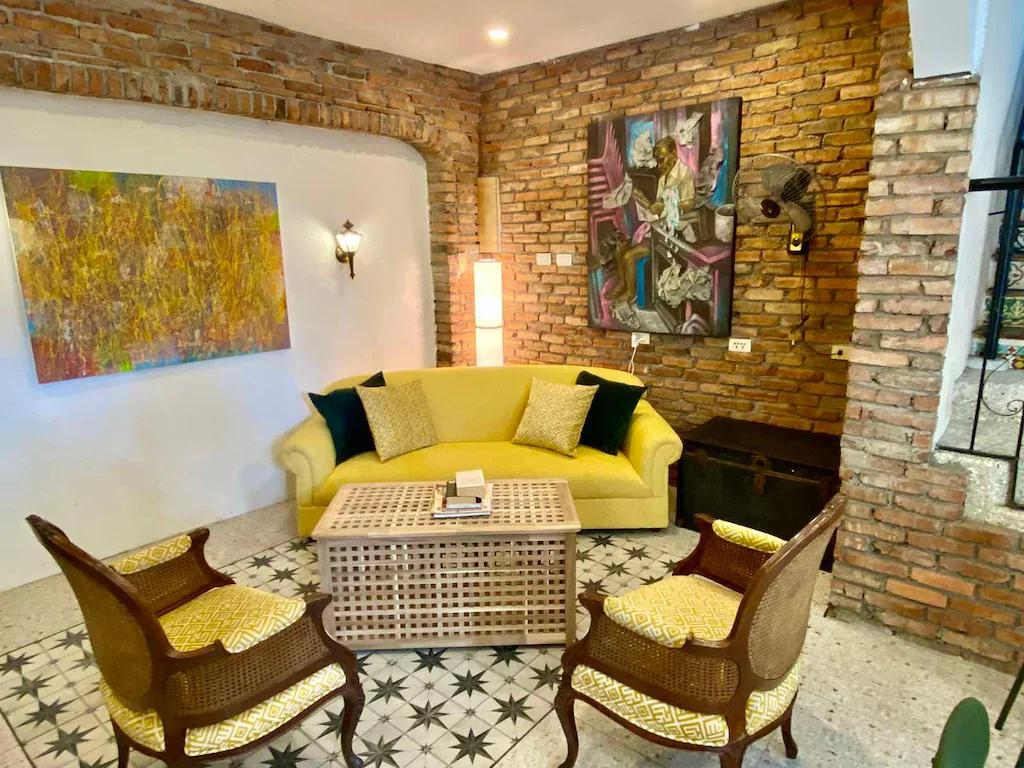
    • Then to Now: Many local boutique stays began as family homes or trading posts during the mid-20th century, now preserved with polished narra wood floors and exposed brick that keeps the space cool naturally.
    • Design Secrets: Keep an eye out for “hidden” archways or original ventilation designs—these were the first natural air-conditioning systems used in the tropical heat.
    • If These Walls Could Talk: You might find yourself staying in a room that once served as a secret meeting spot for local artists or a bustling storage room for goods arriving at the old Cebu ports.

    Why This Stay Elevates Your Trip

    • Instagram-Worthy: From geometric tile floors to lush, vertical green walls, every corner is curated for your feed.
    • Budget Savings: By focusing on smart, compact luxury, you get the aesthetic of a high-end resort at a fraction of the cost.
    • Connectivity: Reliable high-speed WiFi is standard, making it perfect for remote work or sharing your journey in real-time.
    • Local Access: You are steps away from street food legends, where Lechon (roast pig) is served fresh, and vibrant local markets.

    Transportation & Travel Tips

    • Getting Around: Download the Grab app for reliable point-to-point travel. For a truly authentic experience, a short ride in a local jeepney is essential for short distances.
    • From the Airport: Mactan-Cebu International Airport (CEB) is about 30–45 minutes away. Taxis are available at the arrival terminal; insist on using the meter.
    • Itinerary Suggestion:
      • Morning: Visit Magellan’s Cross and Basilica Minore del Santo Niño.
      • Afternoon: Coffee at a local cafe in the IT Park or a quick trip to Tops Lookout.
      • Evening: Dinner at Sugbo Mercado for a taste of local and international street food.

    Best For vs. Not Best For

    • Best For: Solo travelers, digital nomads, and couples looking for a romantic, culturally rich base of operations.
    • Not Best For: Those who require massive resort pools, sprawling manicured gardens, or are sensitive to the energetic, sometimes noisy, pulse of city-center life.

    The 10 Essential Questions

    1. What makes these boutique hotels unique? Their integration of local history and modern design.
    2. When is the best time to book? At least 3 weeks in advance, especially during the Sinulog Festival (January).
    3. Where are the best spots nearby? The historic downtown district and the bustling IT Park.
    4. Why choose a boutique stay? Personal service, unique atmosphere, and better value.
    5. Who manages the property? Often family-owned or boutique hospitality groups that prioritize guest experience.
    6. How can I ensure safety? Stick to hotels with 24/7 security and reputable locations near main roads.
    7. Can I find good food nearby? Yes, Cebu is a food capital; street food and high-end dining are often within walking distance.
    8. How is the WiFi? Most modern boutique hotels in Cebu cater to digital nomads with fiber-optic connections.
    9. What is the price range? Typically ranges from $30 to $60 per night, providing a high “value-to-experience” ratio.
    10. How do I deal with traffic? Travel outside of rush hours (7-9 AM and 5-7 PM) whenever possible.

    Behind the Logbook

    Folklore: Look for local art in your hotel lobby; many incorporate the Sigbin (a mythical creature) or local floral patterns as a nod to Visayan mythology.

    Did You Know? Cebu is one of the oldest cities in the Philippines, meaning almost any central hotel is walking distance to history dating back to 1565.

    Lost & Founds: Staff often find eccentric souvenirs left behind—from hand-woven hats to jars of local dried mangoes!

    Klook.com