Author: panalo.business

  • Where to Stay in the City of Smiles: The Definitive Guide to the Best Bacolod Hotels

    Where to Stay in the City of Smiles: The Definitive Guide to the Best Bacolod Hotels

    Close your eyes and picture the ultimate food trip. You are sitting under the warm glow of a rustic open-air eatery, the rich aroma of smoky, lemongrass-infused chicken inasal sizzling over charcoal drifts through the air. You take a bite of perfectly charred, juicy meat coated in golden chicken oil, followed closely by a slice of melt-in-your-mouth Calea chocolate cake. Your stomach is completely satisfied, your heart is full, and your feet are beautifully exhausted from exploring the historic ruins of Negros Occidental. Now, imagine ruining that flawless travel high by checking into a dated, musty room with weak air conditioning and a view of a noisy concrete alleyway.

    Choosing the wrong base can easily deflate the magic of the “City of Smiles.” Whether you are traveling for the legendary MassKara Festival, a corporate business trip, or a multi-day culinary pilgrimage, booking the right accommodation is essential.

    To ensure you get the absolute best value, comfort, and location for your money, we have filtered through the noise to bring you the top-tier, high-intent properties in Bacolod across every travel style.

    1. The Luxury Standard: Citadines Amigo Bacolod

    If you refuse to compromise on modern comforts, spacious layouts, and international hospitality standards, Citadines Amigo Bacolod stands as the premier choice in the city. Located right along Lacson Street—the primary commercial spine of Bacolod—this property offers unparalleled city connectivity.

    • The Vibe: Sleek, contemporary, and vibrant. It perfectly balances the amenities of a high-end hotel with the practical layout of serviced residences.
    • Why It Solves Your Problem: No more cramped hotel rooms. The serviced apartments feature fully equipped kitchenettes, separate living areas, and premium bedding. After a long day of food hunting under the tropical sun, returning to their pristine, air-conditioned rooms and sparkling outdoor swimming pool is pure bliss.
    • Location Advantage: You are a short walk or quick tricycle ride away from the city’s legendary pastry shops and culinary hotspots.

    2. The Modern Icon: Kingsford Hotel Bacolod

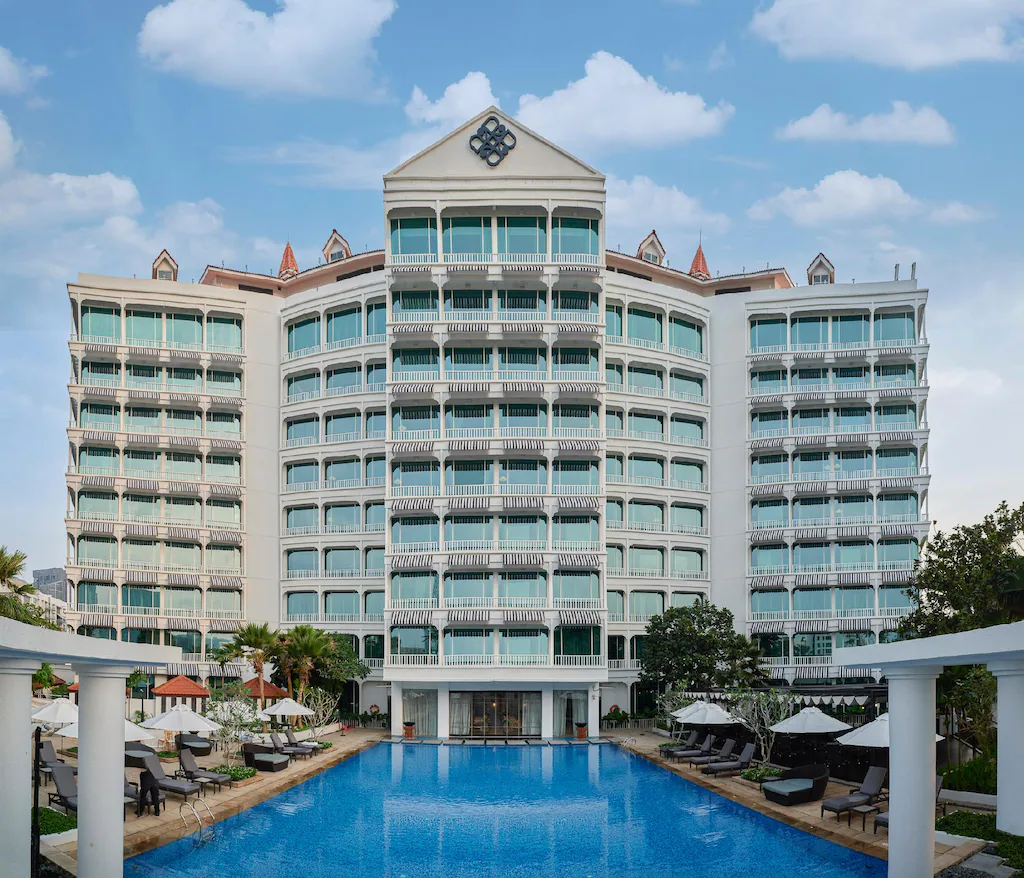
    Situated inside Megaworld’s sophisticated, master-planned Upper East township, Kingsford Hotel Bacolod is a stunning newer addition redefining the city’s hospitality landscape. It seamlessly blends grand, timeless architecture with cutting-edge smart room technology.

    • The Vibe: Cosmopolitan luxury infused with classic European architectural elements. It feels exclusive, polished, and highly secure.
    • Why It Solves Your Problem: Perfect for travelers who demand pristine, untouched facilities. It boasts an expansive outdoor pool deck, a state-of-the-art fitness center, executive lounges, and exceptionally fast, business-grade Wi-Fi.
    • Location Advantage: It serves as a peaceful, high-end sanctuary away from the immediate gridlock of the older downtown streets while remaining highly accessible to the city center.

    3. The Business & Local Classic: L’Fisher Hotel Bacolod

    For travelers who want to be exactly where the action is, L’Fisher Hotel is a legendary local institution. Positioned directly on Lacson Street, it has served as the baseline standard for premium accommodations in Bacolod for decades.

    • The Vibe: Traditional, bustling, and deeply rooted in local culture.
    • Why It Solves Your Problem: It eliminates transit friction entirely. If your goal is to spend your evenings walking to cafes, restaurants, bars, and souvenir shops, L’Fisher’s prime location means you will save thousands of pesos on taxi fares.
    • The Foodie Bonus: Their in-house pastry shop, C’s Cafe, serves some of the best bread, pastries, and coffee in the city, making morning breakfast meetings or afternoon snack runs incredibly convenient.

    Tactical Hotel Booking Summary

    HotelBest ForLocation Highlight
    Citadines Amigo BacolodFamilies, long-stays, and premium apartment amenities.Mid-Lacson Street (Highly Central)
    Kingsford Hotel BacolodTech-savvy travelers, luxury seekers, and township security.The Upper East Township
    L’Fisher Hotel BacolodBusiness travelers and foodies wanting maximum walkability.Upper Lacson Street (Culinary Strip)

    Pro Booking Tip: If you are planning to visit during the peak MassKara Festival in October, booking your room 4 to 6 months in advance is absolutely mandatory. Properties along Lacson Street sell out completely, and room rates can double as the festival dates draw near.

    Klook.com
  • The Ultimate Tagaytay Hotels Guide: How to Secure the Best Views Without the Traffic and Crowds

    The Ultimate Tagaytay Hotels Guide: How to Secure the Best Views Without the Traffic and Crowds

    Picture this: You step out onto a private balcony, wrapped in a plush white bathrobe as a crisp, cool fog rolls softly across your face. Down below, the dark, glassy waters of Taal Lake cradle the world’s smallest active volcano, framed perfectly by the morning light. You take a slow sip of hot mountain coffee, completely enveloped in a deep, peaceful silence that feels a million miles away from the exhausting gridlock of Manila.

    But then, the classic Tagaytay weekend reality hits. If you book the wrong hotel, that dream vacation quickly dissolves.

    Instead of a serene escape, you find yourself staring at a concrete wall instead of the lake, listening to slamming hallway doors in an overcrowded mega-condo, or spending half your weekend trapped in bumper-to-bumper traffic along the Aguinaldo Highway just trying to get a decent dinner.

    Tagaytay remains the ultimate quick escape, but finding a sanctuary that actually delivers on its promise of rest requires a strategic eye. To save you from tourist burnout, here are the absolute best hotels in Tagaytay categorized by exactly what kind of traveler you are.

    1. For the Ultimate Panoramic Luxury: Escala Tagaytay

    If your primary goal is to wake up to the absolute finest, uninterrupted vantage point of the volcano, Escala Tagaytay stands as the undisputed crown jewel among the best hotels in Tagaytay with Taal view.

    The Experience

    The architectural design of this boutique property is heavily focused on its vertical drop. The centerpiece is a magnificent, glass-walled infinity pool that feels as if it spills directly into the volcano’s crater lake below. Every single room is strategically tiered and angled toward the water, ensuring you get that postcard-perfect view without leaving your bed.

    The Staycation Strategy

    Because it sits slightly tucked away down the ridge road, you escape the direct noise of the main highway while remaining just a short drive away from iconic dining strips. Book a Deluxe Premier room for the highest, most unobstructed sightlines.

    2. For Romantic Old-World Charm: Anya Resort Tagaytay

    For travelers looking to completely escape the sight of concrete developments, Anya Resort offers a hidden, ultra-luxurious Tagaytay boutique staycation tucked away in a quiet, forested pocket of the highlands.

    The Experience

    Anya is a proud member of the Small Luxury Hotels of the World, and it shows in their execution. Instead of focusing on the ridge view, this sprawling, exclusive estate focuses on lush tropical gardens, running water features, and elegant Filipino-Spanish colonial architecture. It is widely considered the premier choice of where to stay in Tagaytay for couples who value absolute privacy and world-class hospitality.

    The Staycation Strategy

    When you check in, you are assigned a dedicated “Anya Experience Assistant” who can customize everything from your pillow menu to arranging a private, candle-lit dinner inside your suite. It is the perfect place to do absolutely nothing but unwind.

    3. For the Design-Forward Foodie: The Boutique Bed & Breakfast

    If you prefer intimate, whimsical properties that break away from standard, sterile hotel rooms, The Boutique Bed & Breakfast along the main ridge road offers an incredibly charming alternative.

    The Experience

    With only a handful of meticulously designed rooms—each themed around specific emotions like “I Love” or “I Inspire”—this property feels more like a wealthy friend’s stylish mountain home than a commercial lodging. They are famous for their hyper-personalized service, including a signature “breakfast in bed” experience that is executed flawlessly.

    The Staycation Strategy

    The property houses an exceptional viewing deck and an intimate dining space. It is highly recommended for travelers who want easy, immediate walking access to Tagaytay’s booming artisanal cafe and restaurant scene without needing to constantly hail transit or navigate heavy highway u-turns.

    Essential Tagaytay Planning & Logistics

    To ensure your mountain getaway goes completely smoothly, keep these basic baseline rules in mind:

    Decision ComponentTactical StrategyWhy it Matters
    Timing Your DriveLeave Manila by 5:30 AM on Friday or Saturday, or opt for a mid-week staycation.Missing the 8:00 AM rush saves you up to two hours of frustrating travel time through Santa Rosa or Aguinaldo Highway.
    Room SelectionAlways double-check if your room code explicitly states “Taal View” or “Ridge View.”Many large hotels have inward-facing or city-view rooms that look out onto parking lots or neighboring structures.
    Packing EssentialsAlways pack a light jacket or sweater, a compact umbrella, and slip-resistant footwear.Temperatures can abruptly drop to a breezy 19°C in the evenings, and sudden afternoon mountain showers are common along the ridge.

    A Quick Dining Tip: If you are staying at a secluded spot like Anya Resort but want to venture out for Tagaytay’s famous Bulalo (beef marrow soup), skip the heavily commercialized highway view decks. Instead, ask your hotel concierge to recommend smaller, heritage garden restaurants tucked along the quieter roads of Alfonso or Silang for a much more authentic culinary experience.

    Klook.com
  • The Ultimate Stress-Free Kadayawan Festival Guide: How to Beat the Crowds, Bypassed Roads, and Brutal August Heat

    The Ultimate Stress-Free Kadayawan Festival Guide: How to Beat the Crowds, Bypassed Roads, and Brutal August Heat

    Imagine standing in a sea of thousands, the thunderous rhythm of indigenous drums vibrating straight through the soles of your shoes. Before you, a blur of vivid crimson, gold, and emerald explosion moves in perfect, mesmerizing synchronicity. The air smells of sweet, freshly cracked durian and roasting charcoal. Your heart races; you lift your camera to capture a fleeting, breathtaking moment of the Indak-Indak sa Kadalanan street dance—only for your view to be completely blocked by a towering selfie stick, while your phone flashes a “Battery Low” warning.

    Even worse? You suddenly realize you’re stranded three kilometers away from your hotel with no transport in sight because every major thoroughfare in downtown Davao City is completely locked down for the parade.

    The Kadayawan Festival is easily one of the most culturally profound, soul-stirring celebrations in the Philippines. But for an unprepared traveler, the massive crowds, strict local ordinances, unannounced road rerouting, and intense tropical humidity can quickly turn a dream cultural immersion into an exhausting, frustrating ordeal.

    Don’t let logistics ruin your experience. This guide solves the three biggest headaches travelers face during Davao’s legendary week of abundance so you can focus entirely on the magic.

    1. Master the Maze: Navigating Downtown Street Closures

    During peak festival days—specifically the third weekend of August—the heart of Davao City transforms into a pedestrian-only zone. Standard jeepney routes are completely altered, and booking a ride-hailing app in the city center becomes practically impossible.

    • The Problem: You risk walking miles under a scorching sun or getting trapped on the wrong side of a parade barrier, missing your dinner reservations or your flight out.
    • The Solution: Build your Kadayawan Festival itinerary around a strategic base. If you haven’t booked your accommodation yet, prioritize properties in the Poblacion or Downtown district (near San Pedro Street, Roxas Avenue, or CM Recto). This allows you to navigate the festivities entirely on foot.
    • Pro-Tip: If you are staying further out (like Lanang or Matina), drop your transport at a major mall outside the perimeter early in the morning and take a localized tricycab or walk the remaining distance before the 6:00 AM parade lockdowns begin. Keep a saved offline map on your phone to track pedestrian-accessible side streets.

    2. Secure the Ultimate View: How to Watch Indak-Indak sa Kadalanan Without the Crushing Crowds

    The Indak-Indak sa Kadalanan (street dancing) and the Pamulak sa Kadayawan (floral float parade) are spectacular, but they draw hundreds of thousands of spectators trying to glimpse the same square meter of asphalt.

    • The Problem: Arriving at 8:00 AM means standing ten rows back behind a wall of umbrellas, seeing nothing but the occasional flash of feathers.
    • The Solution: The parades traditionally kick off early in the morning, usually starting near the intersections of Roxas Avenue or CM Recto and heading toward San Pedro Square. The final judging areas are where the most dramatic, high-energy performances happen, but they are also the most packed. Instead, stake out a spot near the start of the parade route by 5:30 AM. The performers are fresh, energetic, and the sidewalks are significantly less crowded.
    • The “Secret” Alternative: Skip the chaotic street heat entirely and head to the Kadayawan Village inside Magsaysay Park. Here, the 11 ethnolinguistic tribes of Davao showcase their traditional houses, rituals, and music in a much more intimate, interactive environment where you can actually talk with the culture bearers.

    3. Surviving the August Elements and Local Laws

    August in Davao means balancing two extremes: heavy, humid tropical heat during the day and sudden afternoon monsoon downpours.

    • The Problem: Heat exhaustion, dehydration, or getting soaked to the skin while carrying expensive camera gear.
    • The Solution: Pack a “Festival Survival Kit” consisting of a reusable water bottle, a compact umbrella (which doubles as sun and rain protection), pocket wet wipes, and a heavy-duty power bank. Wear light, breathable athletic clothing and comfortable broken-in walking shoes.

    ⚠️ Critical Local Laws to Remember: Davao City strictly enforces ordinances that catch tourists off guard. There is a city-wide smoking ban in public spaces, a strict littering fine, and a liquor ban that halts alcohol sales precisely at midnight. Keep your trash with you until you find a designated bin, and respect the local peace.

    Bonus: The Gastronomic Reward

    Once you’ve successfully navigated the parades, reward yourself by diving into Davao’s seasonal bounty. August is the peak harvest for iconic Mindanao fruits. Head over to the Roxas Night Market or local street stalls to sample incredibly cheap, fresh durian, mangosteen, rambutan, and lanzones. For an authentic sit-down feast, seek out local restaurants serving Kinilaw (Mindanao-style ceviche) and fresh grilled tuna belly.

    By planning your routes early, managing your timing, and respecting local culture, you won’t just survive Kadayawan—you’ll experience it exactly the way it was meant to be: a beautiful, harmonious celebration of life and abundance.

    This high-efficiency, 3-day itinerary is designed around the peak festival weekend (the third weekend of August). It prioritizes walking routes and smart timing to keep you out of heavy traffic gridlocks while ensuring you taste Davao’s legendary culinary offerings.

    Day 1 (Friday): Cultural Grounding & Night Market Feast

    Focus: Immerse yourself in the living traditions of Davao’s 11 ethnolinguistic tribes and indulge in the city’s iconic street food culture.

    • 9:00 AM – 12:00 PM: Kadayawan Village (Magsaysay Park)
      • What to do: Start your festival trip here. This park hosts authentic, full-scale traditional houses built by the 11 Muslim and Non-Muslim (Lumad) tribes of Davao. You can interact directly with culture bearers, watch live weaving demonstrations, play traditional instruments, and sample native tribal snacks.
      • Best Time: Morning is ideal because the air is cooler and the cultural performers are highly interactive.
    • 12:30 PM – 2:00 PM: Lunch at Luz Kinilaw x BBQ
      • Where: Salmonan, Quezon Boulevard (Near Magsaysay Park).
      • What to order: This local institution is legendary. Order their signature Kinilaw na Sugba (a brilliant combination of fresh, vinegar-cured raw tuna cubes topped with warm, charcoal-grilled pork belly) and juicy grilled tuna jaw (panga).
    • 3:00 PM – 5:30 PM: Dula Kadayawan (People’s Park)
      • What to do: Walk or take a short tricycle ride to People’s Park to witness traditional indigenous games. Watch tribal athletes compete in ancestral archery, spear throwing, and log cutting. It is a thrilling display of strength and heritage.
    • 6:30 PM onwards: Roxas Night Market & Fruit Feasting
      • Where: Roxas Avenue.
      • What to do: The entire avenue closes down to traffic. Dive into rows of street food stalls. Try the charcoal-grilled chicken intestines (isaw), local pork barbecue, and deep-fried “bucheron.”
      • Foodie Stop: Right outside the night market, find the fruit rows. August is peak season—gorge on cheap, freshly cracked Durian (Puyat or Arancillo varieties), sweet mangosteens, and rambutan.

    Day 2 (Saturday): The Great Street Dance Explosion

    Focus: Witnessing Indak-Indak sa Kadalanan, the absolute peak event of the festival.

    • 5:30 AM – 11:30 AM: Indak-Indak sa Kadalanan (Street Dancing Parade)
      • The Strategy: The parade officially starts around 6:30 AM, but streets lock down early. Stake out a spot along Roxas Avenue or C.M. Recto Avenue by 5:30 AM. Standing near the start of the route gives you a front-row view of the massive, colorful tribal contingents before the major midday heat and spectator crowds peak.
      • What to bring: A sturdy umbrella (for sun protection), a heavy-duty power bank, and plenty of bottled water.
    • 12:00 PM – 2:00 PM: Escape the Heat Lunch at Marina Tuna
      • Where: J.P. Laurel Avenue (or your nearest branch outside the immediate parade gridlock).
      • What to order: Cool down in air-conditioned comfort. Marina Tuna is world-famous for serving “Tuna 10 Ways.” Try their Tuna Sashimi, crispy Tuna Skin, and rich Tuna Eye Soup.
    • 3:00 PM – 6:00 PM: Rest & Recharge
      • The Strategy: Head back to your hotel to nap and shower. The combination of early morning wake-up and intense tropical festival humidity makes a midday rest essential.
    • 7:00 PM onwards: Dinner & Craft Drinks at Huckleberry Southern Kitchen & Bar
      • Where: Oboza Heritage Compound, Rizal Street.
      • The Vibe: Located in a beautiful, converted colonial heritage house.
      • What to order: Enjoy an upscale dinner of Southern-style fried chicken or local fusion dishes. Unwind with their premium Santol or Mangosteen-infused local rums—a perfect cultural nightcap.

    Day 3 (Sunday): Floral Floats & Premium Souvenirs

    Focus: Admiring the stunning floral architecture and picking up high-quality regional keepsakes.

    • 6:00 AM – 10:30 AM: Pamulak sa Kadayawan (Floral Float Parade)
      • What to do: This parade showcases magnificent, larger-than-life floats made entirely of fresh flowers, local fruits, and natural materials, representing various corporations and communities.
      • The Strategy: Position yourself near San Pedro Square or along Rizal Street early. The parade moves faster than the dance parade, making it a smoother morning experience.
    • 11:30 AM – 1:30 PM: Lunch at Lyndon’s Worlds Worst Ribs and Awesomest Chicken
      • Where: San Pedro Extension.
      • What to order: Despite the humorous name, their smoky, fall-off-the-bone sweet barbecue ribs are incredible and highly beloved by locals.
    • 2:30 PM – 5:00 PM: Artisan Shopping at Aldevinco Shopping Center / Poblacion Market Central
      • What to do: Wrap up your festival weekend by hunting for premium souvenirs. Look for authentic handwoven Yakan and T’nalak fabrics, South Sea pearl jewelry, traditional tribal brass bells, and hand-woven bags.
    • 5:30 PM: Final Sweet Stop at Majid’s Kabab or Cacao City
      • Where: Poblacion Market Central.
      • What to do: Grab a final premium treat. Davao is the “Chocolate Capital of the Philippines.” Stop by a local cafe to purchase dark single-origin chocolate bars or drink a rich, velvety cup of native hot chocolate (sikwate) before heading to the airport.

    Essential Itinerary Reminders

    • Transportation: Do not rely on taxis or Grab cars between 6:00 AM and 1:00 PM on Saturday and Sunday. The city center is closed. Walk or use the localized pedestrian detours.
    • Local Laws: Davao enforces a strict public smoking ban, no littering, and a midnight liquor ban. Keep a small trash pouch in your bag, and make sure your final drink is ordered well before 12:00 AM!
    Klook.com
  • Kaogma Festival 2026 Guide: Schedule, Artists, & Essential Travel Tips

    Kaogma Festival 2026 Guide: Schedule, Artists, & Essential Travel Tips

    Close your eyes and picture the ultimate summer escape: the air is thick with the scent of spicy Bicolano chilis, a massive stadium crowd is singing along to your favorite anthems, and the infectious energy of a street parade carries your worries away.

    That is the magic of Kaogma Festival—famously dubbed “The Hottest Festival in the World.”

    If you are planning a trip to Camarines Sur, you might feel overwhelmed by the sheer scale of the event. Because Kaogma is completely free and attracts hundreds of thousands of people from all over the country, first-time travelers often run into the classic festival bottleneck problem: getting stuck in endless traffic, missing out on prime stage spots for major artists, or scrambling to find hotel rooms at the last minute.

    To ensure you can skip the stress and dive straight into the fun, here is your definitive survival guide to managing Kaogma Festival 2026 like a pro.

    1. What’s Brand New: The CamSur Uptown Shift

    If you are basing your travel plans on old blogs from previous years, stop right there! For 2026, the provincial government has shifted the festival’s official headquarters away from the older sports complex hubs.

    The entire official calendar of events for Kaogma 2026—running from May 26 to May 31, 2026—is taking place at the newly unveiled CamSur Uptown district. This massive, master-planned smart city hub is designed to accommodate the massive festival crowds with much wider logistics roads, integrated night market food courtyards, and open-air festival stages.

    2. The 2026 Headliners: A Star-Studded, Free Lineup

    The most incredible thing about Kaogma is its long-standing promise since 1989: Walang ticket, walang barrier, at libre para sa lahat (No tickets, no barriers, entirely free for everyone).

    The 2026 concert lineup is arguably the most ambitious in the festival’s history. Fresh off their historic, globally celebrated performance at Coachella, the Nation’s Girl Group, BINI, is having a massive homecoming concert right on the main Kaogma stage.

    Joining BINI across the week-long celebration is an elite roster of local icons including Ben&Ben, Lola Amour, IV of Spades, Dilaw, and Gloc-9. Because access is 100% free, the stadium areas fill up exceptionally early.

    3. Cultural & Sporting Highlights

    Kaogma isn’t just about late-night concerts; the daytime schedule is packed with intense cultural traditions and adrenaline-pumping competitions:

    • Kaogmahan Street Dance Competition: Watch various municipalities from across Camarines Sur march through the streets in incredibly vibrant, complex costumes that showcase traditional Bicolano folklore.
    • The Sports Thrills: Check out the legendary Mudrace, the multi-town Tour de Kaogma cycling event, and the debut matches at the brand-new, world-class CamSur Pickleball Club.

    The Ultimate Festival Survival Blueprint

    Action PlanStrategic Travel Tip
    Secure Lodging EarlyDo not wait until May to book! Lock down your hotels or transient houses in Pili or Naga City immediately. Look for places close to transport terminals so you can catch local shuttles easily.
    Beat the Stage RushFor headline acts like BINI or Ben&Ben, plan to arrive at the CamSur Uptown concert grounds at least 3 to 4 hours before showtime if you want a clear view of the stage.
    Beat the Heat & RainMay is the peak of Philippine summer, but late afternoon downpours are common. Pack a small backpack containing a portable fan, a light raincoat or umbrella, and extra drinking water.

    A Quick Local Food Tip: Between events, head over to the Uptown Kaogma Nights market stalls to sample authentic Bicolano comfort foods. Try the spicy Laing (taro leaves cooked in coconut milk and chili) or Bicol Express to truly experience the culinary heat of the region!

    Klook.com
  • Boracay Dragon Boat Festival 2026: The Ultimate Traveler’s Guide to the Island’s Most Thrilling Water Sport Event

    Boracay Dragon Boat Festival 2026: The Ultimate Traveler’s Guide to the Island’s Most Thrilling Water Sport Event

    Imagine standing on the world’s softest, powdery white sand as the tropical sun dips below the horizon, painting the sky in fiery hues of purple and orange. Suddenly, a deafening roar of synchronized rhythmic drumming pierces the air. You look out into the crystal-clear, turquoise water and see a fleet of fiercely painted, majestic dragon boats charging toward the shore, their paddles cutting through the ocean like clockwork. The crowd around you erupts in cheers, the bass of local beach music thuds in your chest, and the sheer adrenaline of the race instantly washes away all your city stress.

    This is the high-octane magic of the LOVEBoracay International Dragon Boat Festival, the premier competitive water sport showdown in the country.

    If you are planning to travel to the Philippines, you might run into the classic festival timing problem: booking a vacation to a world-famous beach destination, only to realize you completely missed the island’s most exciting cultural and athletic event of the year because of mismatched dates.

    To save you from missing out on this bucket-list experience, here is everything you need to know to navigate, watch, and celebrate the most thrilling maritime spectacle in the country.

    The Epicenter of the Action: Station 2, White Beach (Boracay)

    The main competitive races are centered entirely at Station 2, White Beach on Boracay Island, Malay, Aklan. The 200-meter straight-line racecourse is mapped out directly in front of the District Hotel, Epic, and the bustling D’Mall area. This layout makes it exceptionally easy for casual spectators strolling the beach to catch a front-row view of the action.

    What to Expect

    Dozens of elite domestic and international paddling crews travel across the globe to compete here. The air is thick with intense, competitive energy mixed with classic, laid-back Filipino island hospitality. Between intense race heats, the shoreline hosts vibrant team parades, traditional opening ceremonies that nod to Aklan’s famous Ati-Atihan festival roots, and dynamic drumming exhibitions.

    Insider Survival Tip

    Because the racecourse sits right at Station 2, the beach can get incredibly packed with team tents and spectators. For the best unhindered views—and a welcome escape from the direct midday heat—book an outdoor balcony table at one of the multi-story beachfront cafes or bars overlooking the finish line.

    Exploring Past the Race Course: Boracay’s New Era

    Once the final afternoon race wraps up and the closing awards ceremonies conclude, the festival seamlessly transitions into the broader LOVEBoracay summer celebration. This week-long event champions sustainable island tourism, eco-fairs, live beach music concerts, and vibrant food stalls lining the sand.

    What to Look For

    Take a break from the main race grid to sample local Aklan delicacies from pop-up food stalls. Treat yourself to fresh Kinilaw (Filipino fish ceviche cured in citrus and vinegar), authentic charcoal-grilled Chicken Inasal, and cold, refreshing fresh Buko (coconut) juice right out of the shell.

    Essential Festival Planning & Logistics

    To ensure your festival trip goes off without a hitch, keep this quick tactical blueprint handy:

    Travel ComponentBest PracticeTactical Insight
    AccommodationBook a beachfront resort at Station 1 or Station 3.It keeps you within a comfortable 10-minute walk of the Station 2 race zone while ensuring your room is far enough away from the loud, late-night festival beach parties when you need to sleep.
    Footwear & GearWear a lightweight rash guard, polarized sunglasses, and sturdy water shoes.The tropical sun reflecting off the white sand and water can cause intense glare, and you will likely find yourself wading into the shallow water to get close to the boats.
    SustainabilityBring a reusable insulated water bottle.Boracay strictly enforces a zero-single-use-plastic policy on its beaches to preserve its pristine ecosystem.

    A Quick Note on the Cultural Calendar: While the international sporting community gathers in late April for the beachside Boracay races, the traditional cultural Dragon Boat Festival (the Lunar Double Fifth celebration) is observed on Friday, June 19, 2026. During this June timeframe, you can catch independent, heritage-focused community events and dragon boat regattas held at the Manila Baywalk Dolomite Beach area in Metro Manila.

    Klook.com
  • The Ultimate Sandugo Festival Survival Guide: How to Beat the Crowds and Catch the Magic in Bohol

    The Ultimate Sandugo Festival Survival Guide: How to Beat the Crowds and Catch the Magic in Bohol

    The heavy rhythm of a hundred drums thumps directly through the pavement, vibrating straight into your chest. Around you, the air is thick with the scent of sweet street food and sea breeze, while a swirling sea of brilliant crimson, gold, and emerald costumes commands the street. A dancer leaps in front of you, flashing a radiant, sweat-glistening smile despite the intense afternoon heat, completely locked in the rhythm of a 400-year-old pact of brotherhood.

    This is Bohol’s Sandugo Festival—a month-long explosion of color, pride, and unbeatable Visayan energy.

    But let’s be honest: for an unprepared traveler, a massive festival can quickly transform from a dream cultural experience into a logistical headache of packed ferries, fully booked hotels, and melting in the midday sun. If you want to experience the magic of Sandugo without the stress, this guide has you covered.

    What is the Sandugo Festival? (And Why It Matters)

    Unlike many Philippine fiestas that are deeply rooted in religious icons, Sandugo is a historical and cultural festival. The word Sandugo literally translates to “one blood”. It honors the March 1565 blood compact—a treaty of friendship sealed by mixing drops of blood in wine—between Boholano chieftain Datu Sikatuna and Spanish explorer Miguel López de Legazpi.

    While the historic pact happened in March, Boholanos celebrate the festival throughout the entire month of July to align with Tagbilaran City’s Charter Day (July 1) and Bohol Day (July 22).

    3 Fatal Mistakes Travelers Make at Sandugo (And How to Avoid Them)

    To ensure your festival experience is smooth and memorable, steer clear of these common pitfalls:

    1. Booking Your Ferry and Room Last-Minute

    July draws thousands of Boholanos back home from around the world (Tigum Bol-anon Tibuok Kalibutan), alongside thousands of tourists. OceanJets and Lite Shipping ferries from Cebu to Tagbilaran fill up days in advance.

    The Fix: Book your ferry tickets online at least two weeks prior. If hotels in downtown Tagbilaran are locked out, look for alternative boutique spaces or vacation rentals slightly outside the immediate city hub.

    2. Standing in the Wrong Place for the Street Dancing

    The Sandugo sa Dalan (Street Dancing Competition) is the absolute crown jewel of the event. The parade usually kicks off at noon near the City Pier, marches down Carlos P. Garcia Avenue, and ends at the CPG Sports Complex. Many tourists stand at the very beginning of the route where it is most chaotic.

    The Fix: Head straight toward the end of the route or stake out a spot near the Carlos P. Garcia Sports Complex early. You will get a much clearer view of the synchronized field performances and dramatic reenactments.

    3. Underestimating the July Heat

    The street dancing competition starts at midday under direct sunlight. Between the tropical humidity and the dense crowds, heat exhaustion is a real threat.

    The Fix: Bring a sturdy umbrella (both for sun and sudden monsoon afternoon showers), wear lightweight clothes, and carry an insulated water flask.

    Must-Visit Spots During Your Festival Trip

    While the main energy centers around downtown Tagbilaran, you cannot visit Bohol without exploring the historical and natural landmarks that define the province.

    The Sandugo Blood Compact Shrine

    Located in Barangay Bool, Tagbilaran City, this iconic bronze monument by National Artist Napoleon Abueva marks the general area where history was made. It offers a sweeping view of the Bohol Sea.

    The Historic Baclayon Church

    Just a short drive from the shrine is the La Purisima Concepcion de la Virgen Maria Parish Church (Baclayon Church). Built in 1727 primarily out of coral stone, it is one of the oldest Catholic churches in the Philippines and features a fascinating museum of religious artifacts.

    Essential Sandugo Checklist

    • When to go: Target the third week of July (typically around July 16–22) to catch the peak street dancing finals and Bohol Day fireworks.
    • Where to eat: Visit the Fusion Nights food fair (often held at the old Tagbilaran Airport or town plaza) to feast on local halang-halang (spicy chicken/beef coconut soup) and fresh seafood at unbeatable prices.
    • What to buy: Drop by the DTI-sponsored Trade-Agri Fair to score authentic, sustainably made raffia bags, hand-woven home decor, and local delicacies like calamay.
    Klook.com
  • Chasing the Light: The Ultimate Traveler Guide to the Giant Lantern Festival in Pampanga

    Chasing the Light: The Ultimate Traveler Guide to the Giant Lantern Festival in Pampanga

    Imagine standing in a sea of thousands of people as the tropical night air cools, the crowd falling into a sudden, breathless hush. The house lights snap off, plunging the world into darkness. Then, a single note of Christmas music swells through massive speakers, and a kaleidoscope of five thousand lightbulbs explodes into life right before your eyes. A structure as tall as a two-story house begins to spin, its geometric patterns pulsing, dancing, and shifting colors in perfect sync with the melody. In that exact fraction of a second, the heavy weight of the year vanishes, replaced by a pure, childlike sense of wonder. That is the intoxicating magic of the holiday season in the Philippines.

    But if you try to experience this spectacle without a plan, you will run into a very frustrating holiday traveler problem.

    Because this event draws hundreds of thousands of visitors into the city of San Fernando, an unguided trip can quickly devolve into hours of bumper-to-bumper highway traffic, missing the main show entirely, and standing at the back of a massive crowd where your only view is through someone else’s raised smartphone screen.

    To save you from holiday logistical burnout and ensure you get a front-row seat to the magic, here is your definitive survival guide to experiencing the world-famous Giant Lantern Festival (Ligligan Parul) like a seasoned local.

    The Heart of the Spectacle: What is Ligligan Parul?

    Held annually in the City of San Fernando, Pampanga—affectionately known as the Christmas Capital of the Philippines—this festival is a fierce, friendly competition between local neighborhoods (barangays). Each community spends months and millions of pesos hand-crafting a single, massive parol (Christmas lantern) measuring up to 20 feet in diameter.

    These are not modern digital screens; they are mind-boggling feats of traditional engineering. Behind each lantern face is an intricate web of wires connected to massive, hand-cranked steel barrels called rotors. As the master technicians turn these rotors to the beat of the music, the physical connection turns specific circuits on and off, making the lights “dance.”

    How to Beat the Crowds: The Strategy

    The biggest mistake tourists make is assuming they can only see the lanterns on the main, high-stakes Competition Night (which takes place on the mid-December Saturday before Christmas Eve at Robinsons Starmills).

    If you want to experience the awe without the crushing crowds, use the Exhibition Night Strategy.

    From the day after the competition all the way through the first week of January, the giant lanterns remain on display for nightly public exhibitions at Robinsons Starmills and surrounding city centers. While you won’t see the tension of the live judging, you get the exact same breathtaking synchronized light and music shows, drastically fewer crowds, easier parking, and a much more relaxed, family-friendly atmosphere.

    Turn it into a Culinary Road Trip

    You cannot travel to Pampanga—the Culinary Capital of the Philippines—without feeding your soul. Make sure to arrive early in the afternoon to eat your way through the city before the lights go on.

    • The Foodie Stop: Before heading to the venue, drop by a traditional Kapampangan restaurant downtown to order a plate of authentic, sizzling Pork Sisig (finely chopped pork seasoned with calamansi and chili) and a bowl of Sinigang broth.
    • The Sweet Finish: Look for local street vendors outside the venue selling warm Puto Bumbong (steamed purple sticky rice topped with butter and grated coconut) to keep you fueled through the evening exhibitions.

    Essential Festival Logistics & Etiquette

    To keep your night smooth and stress-free, follow these quick baseline rules:

    Tactical ElementAction Plan
    Optimal Arrival TimeArrive at the venue by 4:00 PM. The show usually starts right after sunset (6:00 PM), but the best central viewing spots on the field fill up incredibly early.
    Best Viewing SpotAim for the center-left section of the viewing field. This zone gives you a perfectly balanced wide angle of all the entries with the fewest technical obstructions.
    What to PackBring a lightweight jacket (the December mountain breezes can get crisp), comfortable walking shoes, and cash for food stalls, as local snack vendors rarely take cards.

    A Note on Etiquette: When the lanterns begin their performance, please do not raise selfie sticks, tablets, or large signs high above your head. It blocks the sightlines of the children, seniors, and photographers sitting directly behind you. Let everyone soak in the light together!

    Klook.com
  • Beyond the Screen: Unforgettable Family Destinations in the Philippines

    Beyond the Screen: Unforgettable Family Destinations in the Philippines

    Close your eyes and imagine the perfect family getaway. It isn’t the sound of a tablet blaring cartoons in a crowded hotel room or the sight of your kids slumped over screens on a rainy afternoon. Instead, picture the pure, unfiltered sound of your children laughing as a pod of wild dolphins suddenly leaps right alongside your boat. Picture their eyes widening in absolute awe as millions of silver sardines part like a living magic trick around them in warm, crystal-clear water.

    These are the core childhood memories that stick forever—moments of genuine wonder, shared discovery, and deep connection.

    Yet, when it comes to planning a family trip to a tropical archipelago, parents face a common family travel bottleneck. Many destinations require grueling transit times, lack kid-safe amenities, or offer nothing but basic beaches, leaving the little ones bored and parents utterly exhausted.

    The Philippines is packed with highly accessible, stress-free destinations that perfectly balance child-friendly safety with world-class adventure. Here are the three best places to travel with kids in the Philippines for a vacation your family will talk about for decades.

    1. Bohol: The Eco-Adventure Playground

    If your family loves nature, wildlife, and gentle outdoor activities, Bohol is the ultimate destination. It strikes the perfect balance because its main attractions are clustered closely together, meaning less time stuck in a tour van with restless toddlers.

    Why Kids Love It

    Start your morning at the Philippine Tarsier Sanctuary in Corella, where children can spot the world’s smallest, big-eyed primates hiding under broad jungle leaves.

    From there, head to the Chocolate Hills Adventure Park, which transforms a classic geological viewing deck into a kid-friendly thrill center. Older kids can try the “Bike Zip”—riding a bicycle safely harnessed onto a high-wire cable suspended right over the famous symmetrical hills—while younger children can tackle the low-ropes treehouse courses.

    Parent Peace of Mind

    Bohol’s primary family resorts are located on Panglao Island (like Dumaluan Beach), which features incredibly shallow, calm, and wave-free shorelines. It is essentially a massive, natural wading pool where toddlers can play safely while parents relax on the sand.

    2. Subic Bay & Zambales: The Ultimate Active Day Out

    For families traveling with high-energy kids who love climbing, splashing, and theme parks, the Subic Bay Freeport Zone in Zambales offers a clean, highly secure, and road-trip-friendly escape just a 3-hour drive north of Manila.

    Why Kids Love It

    Subic is home to Inflatable Island, one of the largest floating playground obstacle courses in Asia. It features massive inflatable slides, trampolines, bridges, and human launchers anchored safely in a calm, protected bay.

    For a change of pace, you can take the kids to Ocean Adventure, an open-water marine park where children can watch sea lions and dolphins interact in their natural bay habitat, or explore the Zoobic Safari to feed tiger cubs from the safety of an enclosed safari jeep.

    Parent Peace of Mind

    Subic operates under unique administrative security rules, making its roads, parks, and pathways some of the cleanest and most orderly in the country. It is incredibly easy to navigate with a stroller, and the area is packed with family-friendly western restaurants and familiar convenience hubs.

    3. Metro Manila: World-Class Indoor Edutainment

    Do not make the mistake of treating the capital city as just a transit stop. If you want to avoid the tropical midday heat or an unexpected rainy afternoon, Metro Manila houses world-class educational entertainment hubs designed explicitly for curious young minds.

    Why Kids Love It

    Spend a full day at Manila Ocean Park, a massive marine complex sitting right behind the historic Quirino Grandstand. Children can walk through a spectacular 25-meter curved underwater walkway tunnel, watching giant manta rays and sharks glide right over their heads.

    If you head into the nearby Bonifacio Global City (BGC) district, you can visit The Mind Museum, an interactive science center packed with hands-on physics experiments, a space planetarium, and a massive life-sized Tyrannosaurus Rex exhibit that kids can interact with.

    Parent Peace of Mind

    Manila’s premier lifestyle districts offer world-class family amenities, including dedicated nursing rooms, easy-access family restrooms, and safe, indoor play zones (like KidZania or PlayLab) where children can play in fully supervised, air-conditioned environments while parents enjoy a quiet meal nearby.

    Quick Family Vacation Strategy Guide

    DestinationBest Age GroupPrimary VibeTravel Logistics
    BoholAll Ages (Toddlers to Teens)Eco-Nature & WildlifeFly directly into Bohol-Panglao International Airport (TAG).
    Subic BayKids aged 5–16Active Sports & Theme ParksRent a private car or van from Manila; smooth highway driving via NLEX/SCTEX.
    Metro ManilaToddlers & School-aged KidsScience, Museums & AquariumsEasily navigable using ride-hailing apps like Grab; completely indoor and weather-proof.

    Pro Family Packing Tip: While high-quality pediatric medication and specific diaper brands are readily available in Manila and major Bohol resorts, local beach vendors in remote spots may carry limited options. Always pack a small, dedicated “family first-aid pouch” with your children’s preferred fever reducers, rehydration salts, and reef-safe sunscreen before leaving the city hubs.

    Klook.com
  • The Call of Calle Crisologo: Cracking the Manila to Vigan Travel Time

    The Call of Calle Crisologo: Cracking the Manila to Vigan Travel Time

    Imagine stepping out of a time machine into a world where the chaotic hum of modern engines is replaced by the rhythmic clip-clop of horse-drawn carriages on cobblestones. Picture yourself walking under the warm, amber glow of street lamps, flanked by centuries-old Spanish colonial stone mansions, with the aroma of freshly fried, crispy empanadas drifting through the cool night air.

    This is Vigan City, a UNESCO World Heritage site that promises an escape from the frantic pace of 21st-century life.

    The timeless magic of Calle Crisologo at dusk. Source: Discover Philippines

    But before you can lose yourself in this historic dream, you have to face a very modern reality: the massive geographic distance. The classic Ilocos road-trip problem strikes almost every traveler—underestimating the sheer transit duration, leading to groggy arrivals, missed hotel check-ins, or losing an entire day of exploration to pure exhaustion.

    To help you plan a seamless, stress-free escape to the north, here is a breakdown of the actual travel times and the best ways to tackle the journey.

    The Transit Breakdown: Driving vs. Riding

    The road to Vigan from Metro Manila covers roughly 400 to 450 kilometers depending on your starting point. Thanks to northern expressways like TPLEX (Tarlac–Pangasinan–La Union Expressway), the travel time has been slashed significantly compared to a decade ago, but it remains a serious journey.

    1. Road Tripping via Private Car (8 to 9 Hours)

    If you love the freedom of a classic road trip, driving yourself offers the most flexibility.

    • The Route: You will zip through NLEX, SCTEX, and TPLEX, exiting directly onto the MacArthur Highway in Rosario, La Union. From there, you will cruise coastal highways straight up through Ilocos Sur.
    • The Reality: While the expressways are fast, the second half of the drive winds through local towns and provincial highway traffic. Factor in at least two stops for gas, stretching, and a quick lunch—bringing your realistic door-to-door travel time to around 9 hours.

    2. Sinking Into a Luxury Sleeper Bus (8 to 10 Hours)

    For a completely hands-off travel experience, taking a premium overnight bus is widely considered the smartest tactical play for solo travelers and couples.

    Companies like Partas (operating out of Cubao or Pasay) offer First Class and Luxury Sleeper liners. These buses feature giant, plush leather reclining seats, onboard restrooms, individual entertainment screens, and zero stopovers.

    Premium overnight comfort on a luxury liner to Vigan. Source: BusTickets.ph
    • The Strategy: Book a midnight departure (around 10:00 PM or 11:30 PM). Because you clear Metro Manila’s traffic zones while the city sleeps, the bus can maintain high average expressway speeds, reliably getting you into Vigan by 7:30 AM just as the local breakfast cafes are opening.

    Want to Cut Time? The Flying Alternative

    If a 9-hour road trip feels too daunting for a short weekend getaway, you can opt to take to the skies. However, there is a minor catch to keep in mind.

    Leg of the JourneyAverage Duration
    Flight: Manila (MNL) to Laoag International Airport (LAO)1 Hour & 10 Minutes
    Land Transfer: Laoag Airport to Vigan City via private van or bus1 Hour & 45 Minutes
    Total Travel Time: Combined Flight + Land TransferApprox. 3.5 Hours (excluding airport check-in time)

    Flying into Laoag cuts your total transit time by more than half, making it the perfect choice for families traveling with young children or elderly relatives who cannot sit comfortably for long hours on the highway.

    Historic stopovers like Paoay Church await on the drive down from Laoag. Source: Wikimedia Commons

    Pro-Tips for a Flawless Journey North

    • The Midday Danger Zone: If driving a private car, avoid leaving Manila between 5:00 AM and 9:00 AM. You will hit peak congestion in Central Luzon towns, stretching an 8-hour drive into a painful 11-hour slog. Aim for a 3:00 AM rollout instead.
    • Pack for the Chill: Luxury sleeper buses are notoriously cold—frequently kept at a freezing 18°C to keep drivers alert. Pack a thick jacket, thick socks, and a reliable travel blanket so you can actually get a full night’s sleep.
    Klook.com
  • The Ultimate Siquijor Cliff Jumping Guide: Salagdoong Beach vs. Pitogo Cliff

    The Ultimate Siquijor Cliff Jumping Guide: Salagdoong Beach vs. Pitogo Cliff

    It is the classic postcard image of Siquijor Island: an adventurer launched mid-air against a brilliant backdrop of turquoise water, plunging down from a jagged limestone ledge. The island’s dramatic topography makes it an absolute mecca for cliff jumping.

    But when adrenaline-seeking travelers land on the Mystic Island, they run into a major highland coastal planning problem.

    Because Siquijor’s premier cliff-jumping points are located on completely opposite sides of the island and feature vastly different tidal dependencies, many tourists pick the wrong spot at the wrong time. They ride their scooters for an hour across the island only to arrive at low tide—facing exposed rocky reefs and closed platforms instead of deep water.

    To save you from a wasted road trip and keep your jumps completely safe, here is the ultimate, side-by-side comparison of Siquijor’s two heavyweight jumping destinations: Salagdoong Beach and Pitogo Cliff.

    1. The Classic Champion: Salagdoong Beach Cliff Jump

    Located on the far eastern tip of the island in Maria, Salagdoong Beach Resort is the most famous, historically established cliff-jumping destination on Siquijor. Built directly onto a massive coral rock formation that separates two twin coves, it is instantly recognizable by its man-made concrete slides and diving boards.

    The Setup & Depths

    Salagdoong features two primary, well-constructed concrete jumping platforms jutting directly out over the water.

    • The Lower Ledge: 7 meters (approx. 23 feet)
    • The High Platform: 11 meters (approx. 36 feet)

    The Catch: Current Status

    ⚠️ Traveler Advisory (2026): The government-run Salagdoong Beach Resort has experienced intermittent operational closures for rehabilitation and storm damage repair over recent seasons. While local operators frequently allow shore and rock access, the structural integrity of the high concrete slides can change. Always check with the municipal tourism office or your hotel front desk in San Juan before driving out to ensure the platforms are actively open and staffed by local lifeguards.

    2. The Wild Challenger: Pitogo Cliff

    If Salagdoong is the structured, commercial resort experience, Pitogo Cliff is its raw, untamed, and exhilarating younger sibling. Located on the rugged southern coastline in Lazi, Pitogo is an independent, locally managed eco-destination that bypasses the resort fluff in favor of pure, jaw-dropping natural beauty.

    The Setup & Depths

    Pitogo Cliff trades concrete diving boards for natural, hand-carved limestone ledges and a rustic bamboo launching pad.

    • The Jumps: Range dynamically from a approachable 4 meters (13 feet) up to a heart-stopping 12 meters (40 feet).
    • The Exit: Getting back up is an adventure in itself. Unlike Salagdoong’s concrete stairs, Pitogo utilizes a sturdy, vertical bamboo ladder secured directly onto the craggy rock face. It requires a bit of upper-body strength and careful footing!

    The Vibe

    Pitogo is famously uncrowded. It features a sweeping, uninterrupted 180-degree view of the Mindanao Sea. There is a small local kiosk at the entrance serving cold drinks, local snacks, and fresh coconuts, making it an excellent spot to hang out and watch the sunset after you have had your fill of jumping.

    Side-by-Side Comparison: Which One Should You Choose?

    FeatureSalagdoong BeachPitogo Cliff
    LocationMaria (East Coast)Lazi (South Coast)
    Platform StyleMan-made concrete boardsNatural limestone & bamboo
    Max Height11 meters (36 feet)12 meters (40 feet)
    Crowd LevelHigh (When fully operational)Low to Medium (Backpacker vibe)
    Best Tide WindowStrictly High TideHigh Tide Only
    Entry FeePremium resort/environmental feesMinimal local community fee (~PHP 30-50)

    The Golden Rules of Siquijor Cliff Jumping

    To ensure your island adventure is memorable for the right reasons, never compromise on these safety rules:

    • Download a Tide App: This is the absolute single most important step. Both spots become incredibly dangerous at low tide due to shallow water depths and exposed coral heads below. Never jump unless local guides or lifeguards confirm it is peak high tide.
    • The Pencil Entry: When jumping from heights exceeding 10 meters, structural form is everything. Keep your body perfectly vertical like a pencil, cross your arms tightly over your chest, lock your legs together, and point your toes downward. Entering the water slightly angled can result in severe bruising or a painful back injury.
    • Check the Depth Yourself: Conditions change with shifting sands and sea currents. Before making your first jump from the highest ledge, look down, watch other jumpers, or do a ceremonial jump from the lowest platform first to visually inspect the landing zone.
    Klook.com