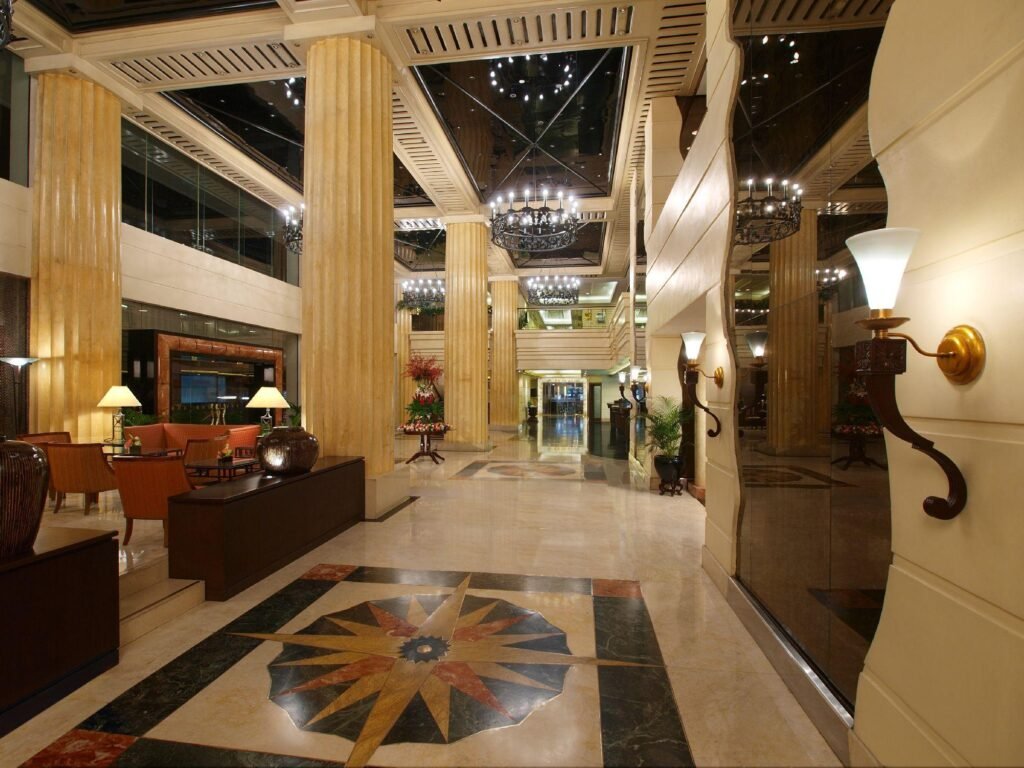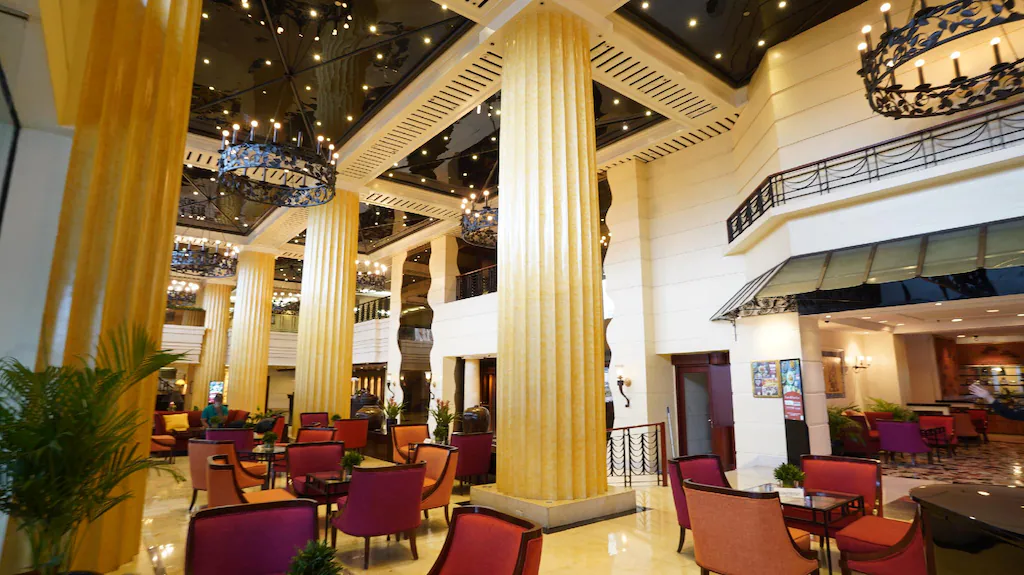
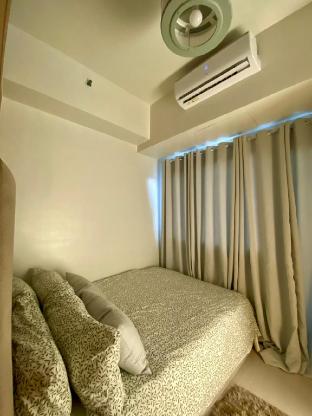

Finding the perfect balance between comfort and affordability in a busy metropolis like Manila can feel like searching for a needle in a haystack. Many travelers face the constant dilemma of choosing between overpriced luxury hotels or compromising on safety and cleanliness in low-end accommodations. The R&E End Suite Manila Philippines offers a practical solution to this universal travel problem, providing an affordable alternative that combines the comfort of a private condominium with the essential amenities required for a seamless urban vacation. This comprehensive reviews and travel guide examines why this property serves as a reliable launchpad for exploring the capital city.
Years ago, a weary couple arrived in Manila at midnight after a long flight, carrying heavy bags and feeling exhausted by the humid tropical heat. They had booked a small room online, hoping for a clean space to rest before starting their island-hopping adventure across the Philippines. When they opened the door to their unit at R&E End Suite Manila Philippines, they were greeted by crisp air conditioning, a sparkling clean studio apartment, and a stunning 35th floor view of the glowing Manila city skyline. It was in that quiet moment, looking out over the twinkling city lights, that they realized urban travel did not have to be stressful or prohibitively expensive to be deeply memorable.
Who This Hotel Is Best For
Choosing the right accommodation depends heavily on your travel style and specific vacation objectives. The R&E End Suite Manila Philippines caters exceptionally well to independent explorers, digital nomads, and budget-conscious individuals looking for long-term holiday getaways. Unlike traditional full-service properties, this condotel setup allows guests to live like locals, offering private kitchen facilities and flexible spaces that are highly beneficial for extended stays.
Ideal for Holiday Getaways
Families and small groups planning their holiday getaways will appreciate the self-contained nature of these units. Having access to an integrated kitchenette means you can prepare simple breakfasts or store local fruits and beverages without relying entirely on restaurant dining. The inclusion of high-speed fiber internet and smart television networks with streaming access ensures that children and adults alike remain entertained during downtime between sightseeing excursions.
Pros of Stays at R&E End Suite Manila Philippines
- The panoramic views from the higher floors provide an exceptional visual backdrop of the city.
- In-unit kitchen facilities include essential appliances such as a microwave, refrigerator, and electric kettle.
- Complimentary high-speed fiber internet connection averaging forty megabits per second ensures reliable connectivity.
- Access to complex swimming pool facilities provides an easy way to cool down from the tropical heat.
- Smart lock keyless entry access systems allow for convenient and secure check-in procedures.
Cons of Stays at R&E End Suite Manila Philippines
- Strict condominium community guidelines impose steep fines for minor infractions like leaving trash outside doors.
- Limited on-site commercial dining options mean guests must walk short distances or order deliveries for large meals.
- Paid parking regulations can add unexpected daily costs for travelers utilizing private vehicles.
- The absence of daily professional housekeeping means guests are responsible for maintaining internal cleanliness.
Pricing Observations and Comparisons
R&E End Suite Manila Philippines Pricing Context
When evaluating the financial value of a stay, the R&E End Suite Manila Philippines sits firmly in the budget to mid-range tier of metropolitan accommodations. Nightly rates typically fluctuate between twenty-five to forty-five United States dollars depending on seasonal demand, booking lead times, and specific platform promotions. This transparent structure positions it as an aggressive competitor against local alternative options.
Local Hospitality Comparison
To understand the marketplace, it is helpful to compare this property with standard three-star hotels in the surrounding districts. Traditional hotels in Quezon City or Pasay often charge fifty to seventy dollars per night for standard rooms that lack kitchenettes, private refrigerators, or high-floor balconies. While full-scale hotels offer daily linen changes and active bellboys, they lack the home-like autonomy and spatial utility provided by a condominium suite.
| Accommodation Name | Average Nightly Rate | Key Features Provided | Primary Drawback |
| R&E End Suite Manila Philippines | Thirty-five USD | Kitchen, High View, Netflix | No Daily Room Service |
| Standard Pasay 3-Star Hotel | Sixty USD | Daily Housekeeping, Buffet | Small Rooms, No Kitchen |
| Typical Manila Backpacker Hostel | Fifteen USD | Shared Dorms, Social Lounge | Lack of Privacy, Shared Bath |
Detailed Customer Reviews and Performance Ratings
Overall Rating: 8.2 out of 10
Gathering collective customer reviews from international booking databases reveals a consistently favorable reception for the R&E End Suite Manila Philippines. Guests frequently highlight the independence the property affords, alongside its functional electronic amenities. Below is a detailed breakdown of how the accommodation performs across five critical travel criteria.
Service Rating: 7.8 out of 10
The service model here deviates from standard concierge assistance, relying instead on virtual communication and local property caretakers. Host communication is highly praised for being prompt, explicit, and informative via digital messaging apps. Check-in is streamlined through keyless smart locks, though the lack of an active physical luggage storage desk before check-in can occasionally limit flexibility for early arrivals.
Facilities Rating: 8.0 out of 10
The internal room facilities are modern and exceptionally well-maintained, featuring reliable air conditioning systems, comfortable mattresses, and comprehensive dining utensils. The wider condominium complex features dual outdoor swimming pools and security elevators. However, the external facilities require extra fees for car parking, and pool access sometimes requires pre-registration with the administration office.
Value for Money Rating: 8.8 out of 10
This category scores the highest among past visitors. For the price of a generic hostel private room, travelers gain access to an entire high-floor studio apartment equipped with dedicated fiber internet and kitchen utilities. The ability to cook basic meals significantly minimizes overall travel food expenditures, making it a highly economical choice for prolonged stays.
Cleanliness Rating: 8.2 out of 10
Cleanliness standards are generally solid upon initial entry, with hosts providing clean linens, sanitized bathroom fixtures, and fresh guest kits containing essential toiletries. Because it operates as a private vacation rental, ongoing tidiness is the responsibility of the guest. The strict property rules against cooking pungent foods like dried fish help maintain an odorless and refreshing indoor atmosphere.
Location Rating: 8.0 out of 10
The location score varies slightly depending on whether the unit booked sits in the northern sectors like Quezon City or the southern hubs near airport sectors. Generally, these suites are embedded within modern residential zones situated within walking distance of convenience stores, local pharmacies, and public transit drop-off points. They provide a safe residential buffer away from the chaotic noise of primary arterial highways.
Decision Making Content Solving the Travelers Problem
The primary problem confronting individuals visiting the capital of the Philippines is navigating urban logistics while maintaining a safe, comfortable personal sanctuary. Manila is a sprawling mega-city known for intense traffic congestion and distinct micro-neighborhoods that vary wildly in safety and quality. Choosing a bad location or an insecure building can turn an exciting holiday into an exhausting ordeal.
Staying at the R&E End Suite Manila Philippines addresses this issue directly by providing a secure, predictable, and fully equipped home base. The presence of twenty-four-hour building security guards at the main lobby checkpoints instantly eliminates anxieties regarding personal safety or unauthorized intruders. Furthermore, the inclusion of in-unit laundry capabilities, stable internet, and cooking tools allows visitors to recuperate fully after navigating the demanding external city environment, resolving the common complaint of travel burnout.
Comprehensive Travel Guides and Essential Tips
Comprehensive Manila Travel Guide
Navigating Manila successfully requires a change in expectations compared to other Southeast Asian capitals. The city is a collection of distinct cities merged into one massive metropolitan area known as Metro Manila. Understanding the spatial relationship between historic old districts, modern corporate developments, and suburban enclaves is key to executing an enjoyable itinerary.
Practical Tips for First-Time Visitors
- Always download local ride-hailing applications like Grab before arriving at the airport to ensure transparent transport pricing.
- Purchase a local prepaid SIM card with unlimited data capabilities directly at the arrival terminal for uninterrupted navigation mapping.
- Carry a mixture of small denomination cash bills as many local street vendors and transport operators cannot change large banknotes.
- Stay well-hydrated throughout the day by purchasing sealed purified water bottles from neighborhood convenience stores.
Safety and Avoiding Common Scams
Manila is generally welcoming to international tourists, but like any major global urban center, petty crime and opportunistic financial scams exist. Being aware of your surroundings and understanding common tricks will preserve your budget and peace of mind throughout your exploration.
Common Urban Scams to Recognize
The most frequent issue involves unmetered street taxis attempting to charge flat inflated rates to foreigners leaving major transit terminals or shopping malls. Always demand that the driver utilize the taximeter, or bypass street taxis entirely by utilizing verified digital ride-hailing applications. Be cautious of overly friendly strangers approaching you in historical parks offering unprompted guided tours or claiming that specific public museums are closed for the day to redirect you to expensive souvenir shops.
General Personal Safety Guidelines
- Avoid displaying expensive jewelry, high-end smartphones, or large wads of cash while walking through crowded public market zones.
- Keep your backpacks or cross-body bags zipped securely and positioned toward the front of your body when boarding public transit vehicles.
- Stick to well-lit primary avenues and avoid navigating unfamiliar, dimly lit residential alleys after midnight hours.
- Utilize trusted automated teller machines located inside bank branches rather than standalone machines on dark streets.
Packing Guides for the Tropical Metropolis
Packing for an urban destination in the Philippines requires a focus on managing heat, high humidity, and sudden tropical downpours while respecting local cultural norms in specific settings.
Essential Clothing Items
Lightweight, breathable fabrics like linen, cotton, and moisture-wicking athletic wear are absolutely essential for daily sightseeing. Short-sleeved shirts, comfortable shorts, and casual dresses are standard for casual outings. However, if you plan to visit historic churches or high-end rooftop lounges, ensure you pack at least one pair of long trousers, a conservative top, and closed-toe shoes to satisfy local dress codes.
Crucial Gear and Protection Accessories
- A compact, sturdy travel umbrella or high-quality lightweight rain poncho to manage unexpected afternoon monsoonal downpours.
- Broad-spectrum sunscreen protection cream with a high sun protection factor to shield skin during long walking tours.
- A durable, reusable water bottle to reduce single-use plastic waste while exploring urban parks.
- Comfortable, broken-in walking shoes or supportive sandals capable of navigating uneven city pavements.
Transportation Tips and Commuting Options
Getting around Manila can be intimidating due to traffic volumes, but understanding the hierarchy of available transport modes makes commuting vastly simpler.
Light Rail Transit Networks
The metropolitan area is serviced by elevated rail systems including the Manila Light Rail Transit and the Metro Rail Transit systems. These networks offer a fast way to bypass road gridlock during peak morning and evening rush hours. Be prepared for significant crowding during commuter peaks, and keep a close eye on your personal belongings while inside the train cars.
Iconic Jeeps and Local Commuting
For short distances, the colorful local jeepneys ply fixed routes across the city and offer an incredibly cheap, culturally authentic commuting experience. Simply look at the route destinations painted on the side of the vehicle, hail it from the roadside, and pass your fare forward to the driver. For direct, private, and air-conditioned convenience between major commercial centers, digital ride-hailing vehicles remain the most efficient choice for foreign visitors.
Curated Itinerary for Exploration
Day 1: Historic Roots and Sunsets
Begin your morning exploring the historic walled city of Intramuros, wandering past the ancient stone walls of Fort Santiago and the beautiful architecture of the Manila Cathedral. Stop for a traditional lunch within a restored Spanish colonial courtyard. In the late afternoon, make your way to the seaside promenade along Roxas Boulevard to witness the famous golden sunset over the expansive waters of Manila Bay.
Day 2: Modern Culture and Major Shopping
Spend your second day experiencing the modern side of the metropolis by heading to the bustling shopping complexes surrounding the Mall of Asia or the trendy urban districts of Bonifacio Global City. Here, you can explore contemporary art galleries, indulge in international dining concepts, and browse extensive retail centers, providing an excellent contrast to the historical architecture viewed on your first day.
Local Food Scene Explored
The culinary landscape of Manila is a rich fusion of indigenous flavors, Spanish influences, and American concepts. Sampling the local food is a highlight of any stay at R&E End Suite Manila Philippines.
Must-Try Traditional Dishes
Do not leave the city without sampling chicken adobo, a savory dish of meat marinated slowly in vinegar, soy sauce, garlic, and peppercorns. For a comforting meal, seek out a steaming bowl of sinigang, a sour tamarind-based broth loaded with vegetables and pork. For a crispy indulgent treat, try lechon kawali, which features deeply fried pork belly served alongside sweet liver dipping sauce.
Iconic Street Foods and Desserts
As evening approaches, look for street food vendors cooking up fresh skewers of sweetened pork barbecue or deep-fried banana rolls known as turon. Cool down afterwards with a tall glass of halo-halo, a famous layered dessert combining shaved ice, evaporated milk, sweet beans, coconut gel, and purple yam ice cream, serving as the ultimate antidote to afternoon tropical temperatures.
Local Attractions Worth Visiting
Intramuros Walled City
The absolute historic heart of Manila is Intramuros, a Spanish-era fortress built in the sixteenth century. Walking through its massive stone gates feels like stepping backward in time, offering close encounters with centuries-old fortifications, hidden courtyards, and the UNESCO World Heritage-listed San Agustin Church.
National Museum Complex
Situated near the expansive greenery of Rizal Park, the National Museum Complex features multiple distinct buildings dedicated to Fine Arts, Anthropology, and Natural History. It houses the country’s most important historical artifacts and masterpieces, including the massive, world-renowned painting known as the Spoliarium by artist Juan Luna.
Ocean Park and Coastal Entertainment
For travelers seeking modern marine encounters, Manila Ocean Park provides an expansive educational facility featuring an underwater viewing tunnel, educational wildlife encounters, and interactive exhibits detailing the diverse marine ecosystems found across the Philippine archipelago.
Annual Events and Festivals Schedule
The cultural calendar of Manila is packed with vibrant celebrations that showcase the deep religious devotion and artistic expressions of the local population. Planning your trip around these major events can provide an unforgettable cultural experience.
- The Feast of the Black Nazarene: Held annually every January ninth, this massive religious procession draws millions of barefoot devotees who pack the streets of Quiapo to glimpse a historic, miraculous statue of Jesus Christ.
- The Aliwan Fiesta: Taking place every April or May along the Roxas Boulevard waterfront, this competitive cultural festival brings together top dance contingents from across the entire country for an explosion of colorful street dancing, floats, and musical performances.
- Manila Summer Damayan Festival: Celebrated across various barangays in May, this community-driven gathering highlights local solidarity, traditional street games, and neighborhood street feasts.
- The Metro Manila Film Festival: Running from late December through early January, this major cultural event dominates local movie theaters, showcasing exclusively Filipino-produced feature films accompanied by massive celebrity float parades down major city avenues.
Crucial Things to Know and Local Trivia
Understanding local customs and interesting historical trivia adds rich context to your accommodations and daily interactions throughout the city.
Practical Things to Know
The official languages are Filipino and English, with English being widely spoken in commercial centers, hotels, and public transport hubs, making communication exceptionally straightforward for international visitors. Tipping is not strictly mandatory in casual eateries, but rounding up the bill or leaving a ten percent tip in mid-range restaurants is highly appreciated by local hospitality workers.
Fascinating Local Trivia
- The city of Manila is officially recognized as the most densely populated incorporated city on the entire planet.
- The historic district of Binondo, established in 1594, holds the distinct honor of being the oldest Chinatown in the world.
- The ubiquitous jeepneys were originally constructed utilizing surplus military jeeps left behind by American forces following the conclusion of World War II.
- The iconic Manila Bay sunset is globally famous because the unique atmospheric conditions create deep purple, red, and gold horizons.
Frequently Ask Questions
- What are the standard check-in and check-out times enforced at the R&E End Suite Manila Philippines? Standard check-in across the private units begins at 2:00 PM on your arrival day, and check-out must be completed by 12:00 PM on your departure date to allow caretakers to prepare the space for incoming guests.
- Is there an active swimming pool available for guest use within the condominium premises?Yes, guests staying at the property have access to the large outdoor swimming pool complex, though small administrative maintenance fees or pre-registration may be required by the condominium building management.
- Can I prepare my own hot meals inside the individual suite rooms? Yes, each studio apartment features an integrated private kitchenette containing a microwave, an electric stove or induction burner, a refrigerator, and essential cooking pans and dining utensils.
- Is high-speed wireless internet provided for remote work or entertainment purposes? The suites are equipped with private high-speed fiber optic internet connections averaging forty megabits per second, which includes unlimited access to streaming services like Netflix.
- Are domestic pets allowed to accompany travelers during their stay inside the property? No, the building regulations enforce a strict no-pets policy across the rental units to maintain cleanliness standards and avoid disturbing neighboring long-term residents.
- What is the closest major international airport serving the R&E End Suite Manila Philippines? The Ninoy Aquino International Airport is the primary aviation hub serving the city, situated approximately four to eighteen kilometers away depending on whether your booked unit sits in Pasay or Quezon City.
- Are social parties or group events permitted inside the rented apartment spaces? No, the property enforces a strict no-parties and no-events policy to ensure a quiet, peaceful, and respectful residential environment for all occupants of the building.
- Is smoking permitted inside the rooms or on the private unit balconies? Smoking of any kind, including electronic cigarettes and vapes, is strictly prohibited inside the apartments and on the balconies to avoid triggering sensitive building fire alarms.
- Are there strict rules regarding cooking specific types of food inside the kitchenettes? Yes, guests are strictly prohibited from cooking strong-smelling foods such as dried fish or shrimp paste inside the rooms to prevent persistent odors from soaking into the fabrics.
- How does the smart lock keyless entry system work for arriving holiday travelers? On your scheduled check-in day, the host sends a unique numeric passcode digitally, which you input directly into the electronic door lock followed by the hash key symbol to gain entry.